
Managing Risks and Hidden Fees in LCL CIF Shipping for Singapore Importers
Managing Risks and Hidden Fees in LCL CIF Shipping for Singapore Importers
For procurement managers and supply-chain professionals working with Singapore imports, understanding the true scope and limits of CIF terms in less-than-container-load (LCL) shipments is vital to avoid unexpected costs and delays. Contrary to common assumptions, CIF does not guarantee door-to-door delivery nor cover all charges beyond the destination port. This article explains how CIF works specifically for Singapore imports under Incoterms® 2020, highlights common sources of hidden destination fees in LCL shipping, and provides practical steps to verify and control landed costs for your shipments.
What CIF Really Means in LCL Shipping
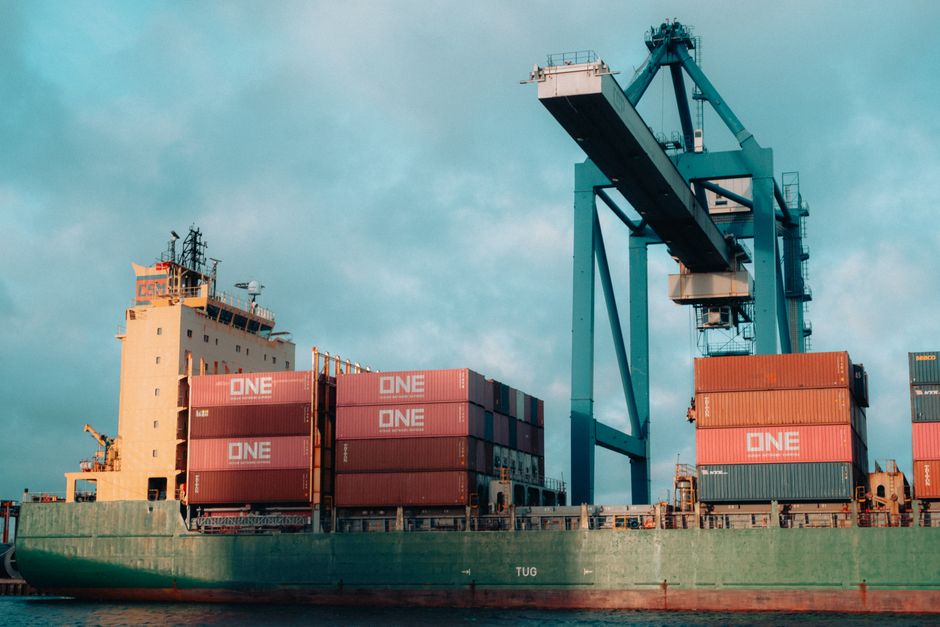
CIF (Cost, Insurance, and Freight) under Incoterms® 2020 obliges the seller to pay costs for export clearance, main carriage to the named destination port, and minimum insurance covering the cargo during sea transit. Importantly, risk transfers to the buyer once the goods are loaded on board at the origin port, not upon arrival at the destination port.
For Singapore imports, this means the seller’s responsibility under CIF ends at the port. The buyer normally assumes all charges from port arrival onwards, including unloading, import clearance, import duties, local Goods and Services Tax (GST), terminal handling, storage, and inland delivery. Misunderstanding CIF as a door-to-door service can lead to serious budget shortfalls and shipment delays.
Why Hidden Charges Occur in Singapore LCL Shipments
LCL shipments consolidate multiple smaller cargoes into one container, which adds complexity and cost layers beyond the ocean freight. After the container arrives in Singapore, the following additional charges typically apply:
- Consolidation and deconsolidation fees: Handling multiple shipments within the same container requires documentation, separation, and tracking.
- Terminal handling and storage: Fees for moving goods through the port and short-term warehousing.
- Customs clearance and duties: Import documentation and payment of applicable import duties and GST.
- Delivery order and inland transportation: Arranging and paying for transport to the final delivery address.
These destination charges can significantly increase landed cost and are commonly missed or underestimated when buyers assume CIF equals door-to-door delivery.
GST Calculation on CIF Imports in Singapore
Singapore’s GST is currently 9%, applied not just to the invoice price but to the full import value including the CIF price, applicable duties, and incidental costs. According to the Inland Revenue Authority of Singapore (IRAS), GST is calculated on the sum of CIF value, duty payable, and commission or other incidental charges. Customs bases taxable import value on this comprehensive figure to ensure correct GST collection.
Therefore, buyers must budget GST carefully as it effectively increases the total import cost beyond the seller’s CIF quotation.
Common Misconceptions About Rebates and Pricing Transparency

There are claims that Singapore export forwarders or suppliers receive undisclosed per-cubic-meter rebates and do not pass these savings to buyers. However, no authoritative evidence supports these claims as a standard practice. Preferential rates and rebates may exist contractually but must be verified through contract audits rather than assumed.
Procurement teams should focus on clear documentation and comparison of actual all-in landed costs rather than rely on anecdotal rebate claims.
Comparing LCL and FCL: No Universal Volume Threshold
While full container load (FCL) shipments are often promoted as cheaper beyond certain volume thresholds, the break-even point varies widely by origin, destination, cargo type, equipment availability, port fees, and delivery complexity. For Singapore imports, “a few cubic metres” of cargo may still be more economical and flexible under LCL.
Always obtain detailed and comparable quotations for both LCL and FCL from origin to final delivery address before deciding.
Practical Controls to Manage CIF and LCL Import Costs in Singapore
To avoid unexpected fees and ensure transparent cost allocation, procurement and supply-chain teams should implement the following steps:
- Specify Incoterms® and Named Place Exactly: Use precise contract terms such as “CIF Singapore, Incoterms® 2020.” Avoid vague or incomplete descriptions implying door-to-door service.
- Request a Written Destination-Charge Schedule: Obtain detailed breakdowns of all terminal, handling, documentation, customs clearance, storage, detention, and delivery charges expected at the destination port.
- Demand All-in Landed Cost Quotes: Ask suppliers and independent Singapore-based forwarders for comprehensive pricing including origin freight, insurance beyond minimum cover, import duties, GST, destination handling, and final delivery.
- Confirm GST and Duty Payment Responsibilities: Clarify who pays these mandatory charges, remembering GST applies on CIF plus duties and incidental costs as per IRAS and Singapore Customs guidelines.
- Check Insurance Coverage Thoroughly: CIF requires only minimum insurance; assess if your cargo needs additional coverage and arrange this explicitly.
- Compare LCL Versus FCL Based on Actual Volume: Use consistent assumptions for route, delivery address, transit times, and validity period to determine the most cost-effective mode.
- Obtain Written Approval for Variable Charges: Require pre-shipment agreement on free-time limits, storage tariffs, and handling fees to control container detention and demurrage risks.
- Audit Invoices Against Quotations and Bills of Lading: Scrutinize all line items, challenge unexplained fees labeled as “handling,” “admin,” or “agency” before cargo release.
Summary: Treat CIF as Port-to-Port, Not Door-to-Door
The central risk facing Singapore importers using CIF for LCL shipments is misunderstanding the scope: CIF covers seller costs only to the named port, transferring risk at origin loading. Buyers must expect and plan for destination fees that can add materially to landed cost. Transparent logistics and contract terms that separate seller-paid CIF costs from buyer-paid import and inland delivery fees are essential.
By adopting clear contractual language, demanding comprehensive cost schedules, and auditing all charges, procurement teams can reduce surprises, improve budgeting accuracy, and strengthen control over supply-chain costs and risks.