
The CIF Destination Trap: How an LCL Shipment Ended Up With a SGD 3,102 Bill in Singapore
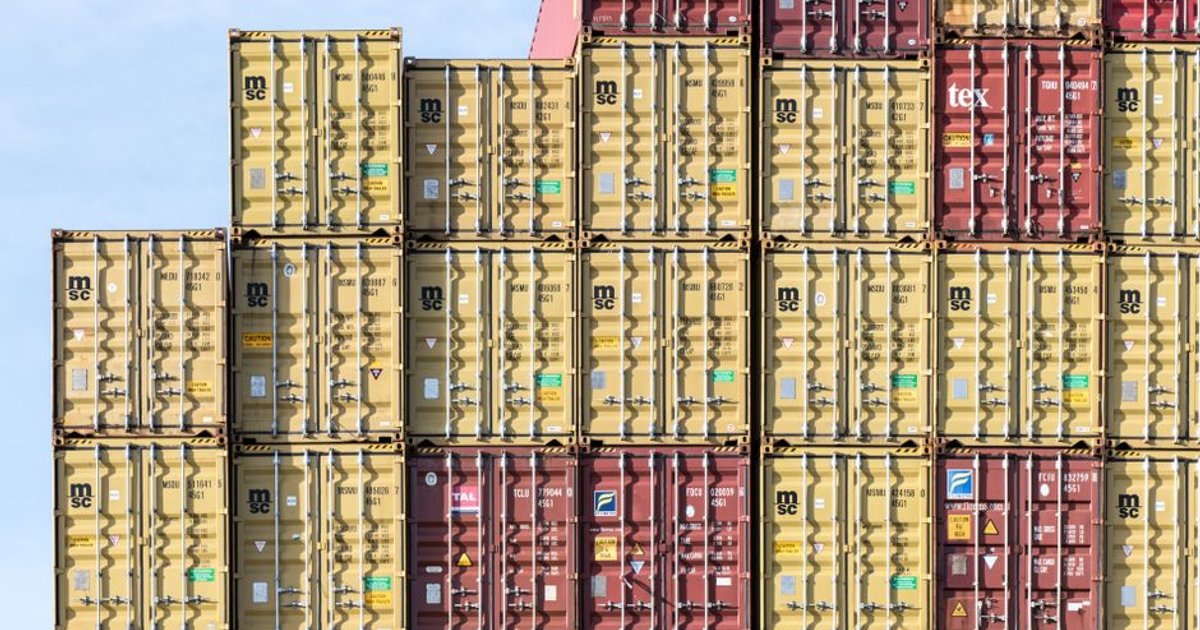
A Singapore importer recently shared a bill on r/smeSingapore that has been getting attention from other small business owners. The shipment was less than a container load (LCL), about 9 cubic metres, bought on CIF terms. The supplier had already arranged the freight. The charges to collect the goods at the Singapore end still came to SGD 3,101.98.
That works out to about SGD 336 per revenue tonne, before any duty or GST, and before the goods leave for the buyer's door. It is a useful example of the most common misunderstanding about CIF.
What CIF actually covers
CIF stands for Cost, Insurance and Freight. Under Incoterms 2020, the seller pays to get the goods to the named destination port and buys insurance for the voyage. It does not mean the goods are paid for up to your door. Three things catch buyers out:
- The seller's costs stop at the port. Destination terminal handling, port fees and unloading normally fall to the buyer unless the contract of carriage says otherwise.
- Risk passes early. It moves to the buyer once the goods are on board at the origin port, even though the seller paid for the voyage.
- The insurance is basic. CIF only requires minimum cover (Institute Cargo Clauses C) unless you agree something better.
LCL adds a further problem. Your goods share a container, so they must be unpacked at a consolidation warehouse and released by an agent you did not choose. You find out what that agent charges when the goods have already arrived, and storage fees start to build if you argue.
What is on this bill
The shipment measured 9.23 revenue tonnes (RT). Here is how the SGD 3,101.98 breaks down:
| Type of charge | Lines | SGD | Share |
|---|---|---|---|
| Billed per RT, rounded up to 10 | Admin fee, W/S, deport, low sulphur surcharge, CFS, CES, FTZ surcharge, PSA wharfage | 1,647.50 | 53% |
| Billed on the actual 9.23 RT | LCL, terminal handling | 701.48 | 23% |
| Flat fees per bill | D/O, misc, agency handling, D/N processing, tally, washing, fuel adjustment, emergency maintenance | 453.00 | 15% |
| F/L (likely forklift) | SGD 75 per 3 RT, 4 lots | 300.00 | 10% |
Four things stand out:
- Two lines are 39% of the bill. The admin fee and "W/S" are SGD 60 per RT each, SGD 1,200 together. By contrast, the only line naming the port operator, PSA wharfage, is SGD 17.50.
- Rounding adds up. Eight lines bill 10 RT rather than 9.23, which adds about SGD 127.
- Some charges look like freight. The emergency fuel adjustment and low sulphur surcharge total SGD 85. Fuel surcharges are usually a cost of the voyage, which a CIF price is meant to include, so it is fair to ask why they appear here.
- Some are vague. "Misc charge" at SGD 100 and "emergency maintenance" at SGD 13 do not say what they pay for.
The bill alone cannot show whether each line was justified. It does show how much of the landed cost was invisible when the order was placed.
Why it happens
When a supplier books the freight, the buyer has no say over the forwarder and no quote for the destination end. In the same discussion, a commenter who said they spent three years in forwarding sales described suppliers receiving a per-CBM rebate on LCL exports, with the cost recovered from the buyer at destination. We could not verify that independently, and it will not apply to every shipment, but it would explain why a low CIF price can be followed by a high local bill.
How to protect yourself
- Get the destination charges in writing before you pay a deposit. Ask for an itemised list per RT and per bill, and the name of the destination agent.
- Compare total landed cost, not the freight line. Include destination charges, duty, GST and delivery to your door.
- Get your own quote. Ask a Singapore forwarder to price the same shipment on FOB or EXW, so you choose who handles it and can see the rates first. This was the most common advice in the thread.
- Price a full container too. One commenter opts for a whole container once cargo is more than a few CBM, because there are fewer questionable charges to deal with.
- Sort out customs clearance before arrival. One commenter reported about 10k in warehouse late fees after a problem with a declaring agent. Delays are expensive, and they weaken your position in any dispute over charges.
- Query unclear lines. Ask what W/S, CES or a misc charge covers, and why a fuel surcharge is on a CIF shipment, before you pay if you can.
CIF is not always a bad deal. It can suit a buyer who has checked the destination charges in advance, but a CIF price tells you little about what the goods will cost once they reach you.