
Mastering Skincare In Southeast Asia: How To Build A Personal Routine Library And Track Products For Bangkok, Singapore, Jakarta, And Beyond
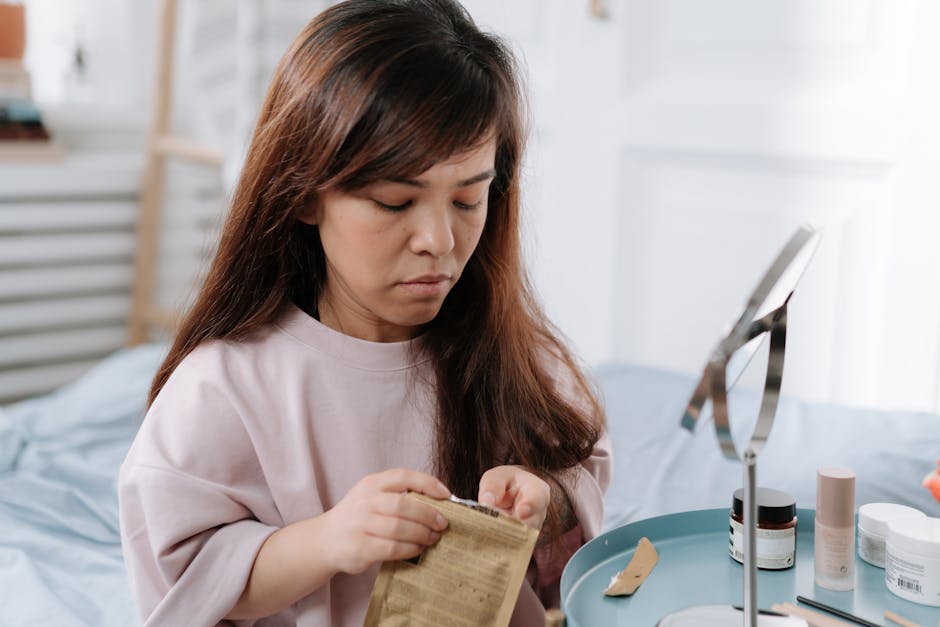
Building Your Personal Skincare Routine Library: Systematic Product Tracking for ASEAN’s Humid Challenge
Navigating the crowded Southeast Asian beauty market can feel overwhelming, especially when your skin delivers conflicting signals—oiliness with dehydration, sudden sensitivity, breakouts and premature aging, all under relentless UV and humidity. If you’ve found that products that promise radiance often feel too heavy, while lightweight gels seem insufficient, you are not alone. The reality is, Southeast Asia’s climate presents unique physiological demands. Skincare-literate consumers increasingly seek more than marketing hype—they want skin science tailored for the tropics, routines built on data, and products that survive in heat and humidity.
This article presents a roadmap for AURA’s audience: how to construct a personal skincare routine library powered by systematic tracking, rating, and climate-aware analysis. Learn how to integrate the best sunscreen for humid weather, breathable serums for oily-dehydrated skin, soothing gels for redness, and anti-aging solutions that support your skin barrier rather than just masking symptoms.
Key Trends and Strategies in the ASEAN Skincare Landscape
1. The Shift to Climate-Specific, Breathable Layered Systems
Skincare success in Southeast Asia starts with formulation intent. Conventional heavy western occlusives—rich creams and balms—can smother the skin in >80% humidity, leading to congestion and breakouts. Instead, consumers are turning to breathable, layered routines: hydrating essences, lightweight sunblocks for Southeast Asia, serums for oily-dehydrated skin, and soothing gels that support barrier repair without suffocating sensitive complexions.
Regional market data reveals K-Beauty and J-Beauty are leading innovation here, with Korean and Japanese skincare for tropical skin offering humidity-compatible alternatives.
2. The Rise of Sustainability and Transparency
Driven by a new generation of ethical consumers, clean beauty and responsible sourcing have become non-negotiables in routine curation. Products must demonstrate not only efficacy, but also sustainable packaging, ingredient transparency, and sourcing integrity. This complexity adds a necessary layer to product tracking—rating formulations not just for performance, but for ethical alignment. See Statista's latest overview for more on this ethical inflection point.
3. Data, Not Hype: Systematized Routine Tracking
The influencer-driven “preference cascade” has shifted consumer expectation from single product reviews to holistic, integrated routines. Yet, what works for an influencer in Seoul may not translate to a monsoonal climate or reactive skin. This makes systematic product tracking—logging every product, its ingredients, usage patterns, and observed outcomes—essential for meaningful results. E-commerce trends confirm the advantage: those who track see less waste, clearer causation, and better long-term outcomes.
4. Multifunctional Products and Seasonal Adaptation
Pressured for time and space, ASEAN consumers seek products that serve dual or triple functions: sunscreen-hydrators, serums with antioxidants and hydration, lightweight moisturizers that calm and defend. Yet, the best product for the wet season may not suit the dry, cooler months. Tracking routines by season and adjusting for humidity (for instance, switching to a soothing gel for redness during humid months, or adopting richer barrier-repair creams during dry periods) optimizes results and reduces waste.
5. Market Fragmentation and the K-Beauty Surge
The rise of regional powerhouse categories—Korean and Japanese skincare for tropical skin, lightweight sunblocks, anti aging serum for humid climate—means consumers need to compare not just by ingredient, but also by locality and availability. A serum purchased in Singapore may vary from the same “variant” sold in Jakarta—a critical difference for sensitive or compromised skin types. K-beauty's dominance is evidence that climate-tailored approaches are now essential, not optional.
“Systematic, climate-aware personal tracking transforms skin care from marketing-driven guesswork to evidence-based, resilient self-care—crucial for Southeast Asian consumers facing both environmental extremes and information overload.”
State and Recommendations: Action Checklist for Firms
- Develop climate-adapted product lines: Formulate and label products specifically for humid, high-UV environments. Build routines around lightweight textures and routines, not single heavy creams.
- Enable systematic tracking: Offer spreadsheet templates or app integration for daily skin and product tracking, catering to oily-dehydrated and combination skin types as well as sensitive/compromised skin profiles.
- Support seasonal adaptation: Educate on routine swaps by season (e.g., rotating a soothing gel for redness in humidity, switching to repair skin barrier creams for drier months).
- Prioritize transparent formulation: Disclose active percentages, pH, sourcing, and clinical data. Highlight “formulation logic” over fleeting trends—help users understand not just what’s in the bottle, but why.
- Integrate community benchmarking: Facilitate anonymous ratings sharing, allowing consumers to compare results and crowdsource best sunscreen humid weather and serum for oily dehydrated skin recommendations.
- Champion sustainability and regional innovation: Communicate sustainability certifications, packaging recyclability, and region-specific adaptations as key selling points.
Summary Table: Skincare Paradigms for Humid SEA Markets
| Heavy Occlusive Western Products | Breathable Layered Systems | |
|---|---|---|
| Main Approach | Single, rich product forms barrier (often with petrolatum, thick creams) | Multiple lightweight layers: hydrating essence, serum, lightweight sunblock, soothing gel for redness, anti aging serum humid climate |
| Trend-Driven Skincare | Formulation Logic | |
| Selection Motivation | Viral, influencer, or "miracle" ingredients regardless of climate or skin context | Products chosen for compatibility, ingredient synergy, tracked efficacy, and climate adaptation |
| Short-term Cosmetic Fixes | Long-term Barrier Resilience | |
| Results | Immediate glow, but increased breakouts/sensitivity in humidity, premature routine abandonment | Progressive improvement in barrier function, less reactivity, lower cumulative spending, greater autonomy |
Audience Segmentation: Challenges and Opportunities
1. Climate-Aware Skincare Users
Challenges: Product exhaustion from experimenting with western formulations that perform poorly in heat and humidity.
Opportunities: Shift to Korean or Japanese skincare for tropical skin, emphasizing breathable layers, serums for oily dehydrated skin, and best sunscreen for humid weather. Systematic tracking identifies standout products and optimal application sequences.
2. Sensitive / Compromised Skin
Challenges: Vulnerability to irritation and product-induced sensitivity from actives layered without logic.
Opportunities: Routine minimization and ingredient transparency. Implementation of soothing gels and barrier repair creams, with tracking to reveal which combinations truly support skin health rather than exacerbate reactivity.
3. Oily-Dehydrated, Combination, and Reactive Skin Types
Challenges: Managing paradoxical presentations—surface oil with underlying tightness, breakouts alongside flaking.
Opportunities: Adoption of hydrating but humidity-friendly layers (serum for oily-dehydrated skin, lightweight sunblock Southeast Asia). Data-driven routine adjustment often shows that simplification reduces both shine and breakouts.
4. Early Anti-Aging (25–40)
Challenges: Premature signs of aging worsened by daily UV exposure, but actives may cause irritation in humidity.
Opportunities: Introduce anti aging serum for humid climate, combine with consistent sun protection. Tracking outcomes ensures that beneficiaries of potent actives (like retinoids or peptides) are balanced with repair skin barrier humidity strategies.
5. Urban Southeast Asia
Challenges: Pollution, UV, fast-paced lifestyle and overwhelming choice drive both stress and inconsistent routines.
Opportunities: Systematic tracking streamlines purchasing, reveals cost-effective products, and carves out clear protocols. Integration with community data helps filter signal from noise, enabling more resilient and satisfying routines.
Comparison Segment
- All audience types benefit from systematic tracking, but the key insight is that routine minimization and seasonal adaptation remain universal winners: “less but better” outperforms “more and faster.”
- Climate-aware and oily-dehydrated types gain most from abandoning heavy occlusives in favor of humidity-specific serums and essences.
- Sensitive skin sees dramatic improvement with ingredient transparency and simplified routines, while urban users need decision-support tools to filter product overload.
Conclusion: The Strategic Imperative & What Lies Ahead
For Southeast Asia’s discerning, skincare-literate consumers, systematic personal skincare libraries are evolving from “nice-to-haves” into absolute necessities. Transitioning from trend-driven experimentation to data-driven personalization maximizes financial efficiency, skin health, and psychological confidence. Brands and consumers who embrace formulation logic, systematic tracking, and regional adaptation will not only thrive but set the standard as the market expands beyond $34 billion by 2027.
Looking forward, the convergence of tracking technology (apps, smart devices), climate-adapted formulation science, and community benchmarking will empower ASEAN consumers to make ever more precise, resilient, and climate-harmonious skincare choices. Expect the next generation of winning products to be those that prove their worth in the spreadsheet—not just on the Instagram grid.
AURA’s audience is poised not only to deconstruct the clutter of the current beauty market, but to build enduring routines that make each purchase a learning step toward lasting skin health.