
Protecting Elderly Hawkers In Singapore: Lessons From The Roxy Square Wanton Mee Assault And How Businesses And Families Can Reduce Public Risks
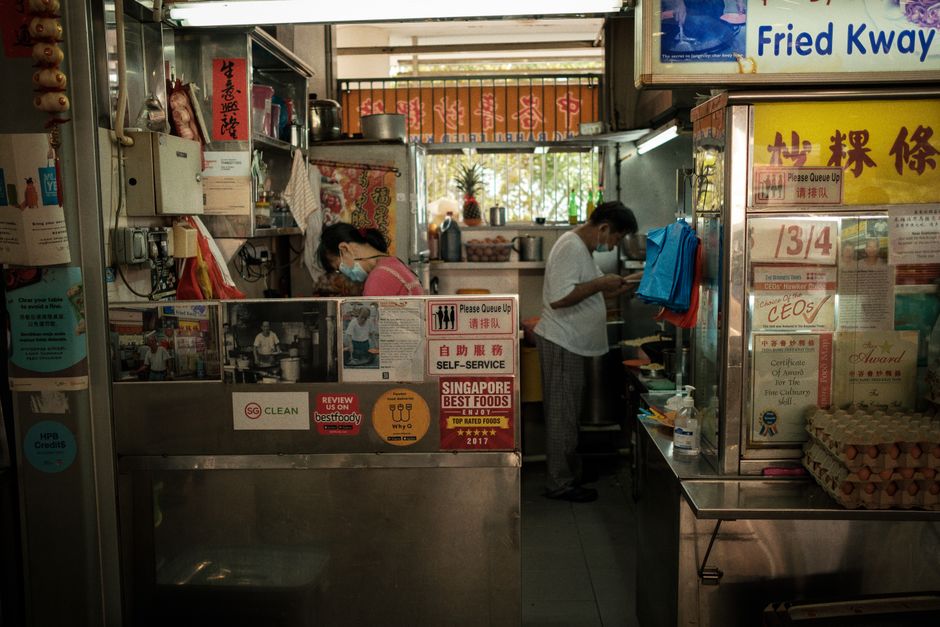
When a Moment Turns Viral: The Roxy Square Hawker Incident and the Urgent Rethink of Public Safety for Singapore’s Elderly
On a seemingly ordinary afternoon in August 2026, a single impulsive act at Roxy Square’s Bei-Ing Wanton Noodle stall ignited a national debate. A 73-year-old hawker, Yeo Song Khoon, found himself at the center of a harrowing incident—thrown to the ground after patting a child on the head, suffering a fractured back and prompting a firestorm of viral attention. Far from an isolated misfortune, this episode has become a touchstone for pressing issues that demand vigilance: the personal risks faced by seniors in public spaces, the business imperatives of liability and risk management, and the nuanced, evolving duties of care owed by families and commercial operators alike. In a rapidly aging society that prides itself on safety and civility, how prepared are we—for the expected and the unforeseen?
The Anatomy of an Incident: What Happened at Roxy Square
The Scene and Sequence: On 15 August 2026, between 4:37 and 4:40pm, amid the steady hum of the East Coast’s Roxy Square coffee shop, Yeo Song Khoon—a veteran hawker with over four decades of service—walked past a table, gently patting a young girl’s head. What followed was captured on CCTV and swiftly circulated online: the girl’s father, reportedly “overprotective,” reacted violently, swinging the elderly hawker to the floor despite the latter’s visible limp and frailty. The impact resulted in a fractured back—a devastating injury for a septuagenarian already grappling with leg and hip issues (source).
Immediate Aftermath: The stall closed for two days, only reopening on 20 August. Social media channels buzzed with updates and calls for accountability as the case snowballed into the headlines, even attracting international coverage from outlets such as the BBC (source). The police quickly identified a 40-year-old man as the alleged assailant, while Yeo’s family made it clear: though he sought no trouble, a full investigation was warranted.
Key Business Impact: Within a week, a single incident had inflicted physical harm, interrupted business continuity, exposed reputational risk, and triggered potential liability—demonstrating just how intertwined personal safety and enterprise risk have become (source).
Emerging Patterns: Risks to Seniors and Public-Facing Businesses
Aging Workforce, Rising Vulnerability: Singapore’s rapidly graying society means more elderly individuals remain active as workers and patrons in malls, food courts, and public spaces. Yet as seen through Yeo’s ordeal, age magnifies the consequences of both slips and confrontations. Pre-existing conditions—a limp, brittle bones, or diminished balance—raise the stakes on what elsewhere might be minor accidents.
Incidents Beyond Accidents: Just as slip-and-fall cases remain a perennial concern due to environmental hazards like wet floors, this episode highlights a sobering extension: intentional human acts—from shoving to outright assault—can inflict catastrophic injury, sometimes with little warning. Liability is no longer simply about spilled soup or soapy tiles, but about the unpredictable volatility of human behavior in public settings.
The Instantaneous Spread of Risk: The Roxy Square event did not remain a localized matter; within hours, CCTV footage and eyewitness reports surged through social platforms, turning a routine day into a national reckoning. For business operators, this viral dynamic multiplies reputational risk, potentially deterring customers, attracting regulatory scrutiny, and inflicting commercial harm far beyond physical injuries.
Reputational Exposure: As the global spotlight fell on this local eatery, the incident became more than a legal or medical matter—it became a story about values, governance, and the real-world consequences of a momentary lapse. For businesses, viral events now pose a threat that can upend customer trust and revenue in days.
How Insurance and Risk Management Need to Evolve
Personal Accident Cover: The First Line for Families: For individual families, the lesson is clear—having only basic health insurance is insufficient. A robust personal accident policy that explicitly covers injuries in public spaces (ranging from falls on slippery floors to assaults) is now a non-negotiable. Major providers in Singapore offer plans with S$50,000–S$100,000 death and disability benefits. Yet exclusions abound: families must study whether “assault” or “intentional acts by third parties” are considered accidents in policy wording, and scrutinize how pre-existing medical conditions might limit claims (source).
Medical and Hospitalisation Needs: The Hidden Costs of Injury: Yeo’s decision to decline surgery is not uncommon among the elderly, but even basic hospitalisation, diagnostic imaging, and weeks of home care can amount to thousands of dollars. Integrated Shield plans must be checked for adequate accidental injury coverage and annual limits, and families urged to consider add-on riders to reduce deductibles in a crisis.
Income Protection: A Lifeline for Working Seniors: A hawker’s inability to work—even for a few days—spells real economic hardship. Disability income insurance, as well as lump-sum benefits for fractures or immobilisation, are vital tools yet underutilized by the self-employed and their families.
Business Imperatives: Liability, Security & a New Duty of Care
Public Liability Insurance: Essential, Yet Insufficient Alone: Landlords, mall owners, and F&B managers are already familiar with public liability insurance, typically carrying limits of S$1 million to S$5 million per occurrence (source). But shouldering insurance is not enough. The standard of care now encompasses both environmental risks—slippery floors, poor lighting—and the foreseeability of violent escalation in disputes. As legal precedent insists, liability attaches where negligence in maintenance or supervision is proven (source).
CCTV and De-escalation: Defense and Deterrence: The Roxy Square incident’s viral traction was built on a foundation of clear CCTV evidence—a double-edged sword, enabling justice but also amplifying fallout. Businesses must ensure surveillance coverage in all public-facing, high-risk zones, and train staff not just in basic safety, but in conflict de-escalation and prompt engagement of security or police as tensions rise.
Infrastructural Adjustments: The physical environment matters. Non-slip floors and shoes, accessible layouts, generous signage, and easily reached help points all help. Just as importantly, businesses must standardize and document safety inspections and incident response protocols, particularly where elderly staff or patrons are concerned.
Comparative Perspectives: What Makes This Episode Different?
Past vs. Present: In the past, Singapore’s public injury concerns centered on slip-and-falls or food-related mishaps. Today’s reality is more complex. The convergence of an aging workforce, longer retirements, and heightened public anxieties around child safety (as seen in this case) creates unpredictable new flashpoints.
International vs. Local Response: In some countries, high-profile assaults on seniors might drive immediate lawsuits and protracted criminal prosecutions. In Singapore, the preference often tilts toward mediation, apologies, and a strong desire to “not cause trouble”—even as families (like Yeo’s) now assert a willingness to see investigations through. The business response, however, is increasingly global: international tourists and investors judge local incident management by universal standards.
Emerging Standards and Best Practices: Other developed economies have responded to public space injury risks with “safe zone” certifications, enhanced staff training, and proactive liability waivers. Singapore’s businesses and families are just beginning to systematize such approaches—prompted, perhaps, by the hard lessons of incidents like Roxy Square.
A Checklist for Families: Concrete Steps to Shield Our Elders
Insurance Review and Upgrading: Confirm that elderly relatives have up-to-date personal accident and medical insurance tailored to public space risks, with coverage extending to violent injury and accidental falls. Exclusions must be checked, and sums insured should reflect higher vulnerability—S$50,000 and above.
Incident Documentation: Teach seniors and caregivers to seek medical attention immediately following any fall or confrontation, regardless of initial pain levels. Police reports and preservation of CCTV or witness accounts are crucial in securing insurance claims and legal remedies.
Real-World Risk Reduction: Encourage daily habits that reduce exposure—using lifts, avoiding crowded times, wearing non-slip shoes, and selecting safer venues with better lighting and security. Where possible, accompany or check in on elderly loved ones during outings.
A Checklist for Businesses: Modernizing Duty of Care
Insurance and Liability Protocols: Maintain public liability insurance at adequate levels, tailored to business size and foot traffic patterns.
Proactive Safety Infrastructure: Audit and upgrade flooring, lighting, signage, and walkways for senior safety. Keep detailed, time-stamped inspection logs.
Staff Training and Escalation Readiness: All frontline staff should be drilled in de-escalation techniques, recognizing vulnerable persons, and early intervention. Security should be visible, empowered, and well-integrated with emergency responders.
Incident Response Systems: Clearly documented response templates ensure that the right steps—medical support, police notification, incident logging—are taken at the critical early moments after an event.
Forward-Thinking Insights: The Future of Public Safety and Elder Protection
As Singapore’s population continues to age, the definition of “safe public space” must evolve from mere physical maintenance to proactive management of rapidly shifting social risks and expectations—businesses, families, and regulators alike must collaborate to ensure that a single moment’s misjudgment does not cascade into preventable tragedy.
Proactive, Not Reactive: A New Era of Interventions: The Roxy Square episode can catalyze a new standard—where insurance is not only about compliance, but about real resilience; where staff are as skilled in calming disputes as they are in food preparation; and where families and businesses share a common language around risk.
Visible Commitment to Safety: Forward-thinking operators may even turn safety into a market differentiator—advertising not just their cuisine or prices, but their visible, senior-friendly infrastructure and incident-readiness, targeting Singapore’s growing number of active-aging consumers.
Data and Continuous Learning: As more incidents are logged and analyzed, businesses and insurers should collaborate to identify hotspots, new risk modalities, and emerging best practices—turning each negative event into a driver for systemic improvement.
Conclusion: Lessons in a Split Second—Toward Safer, More Inclusive Public Spaces
The Roxy Square wanton mee incident is, at its core, a cautionary tale of how swiftly a single action can upend lives, businesses, and public confidence. It underscores the vulnerability not only of our elders, but of any enterprise that fails to take a holistic, future-facing approach to risk. In an era of instant virality and heightened social expectations, both families and business leaders must move beyond box-ticking insurance and old habits. Instead, they must embrace agile, comprehensive risk stewardship—encompassing innovative insurance, robust environmental safety, staff empowerment, and cultural compassion.
The future of Singapore’s public spaces—and the dignity and livelihood of its seniors—depends on this evolution. For every stall keeper, every parent, every executive: the time to act is now.