
Real-Time Skincare Routines For Kuala Lumpur & Singapore: Adaptive Dashboard Solutions For High UV, Pollution & Humidity
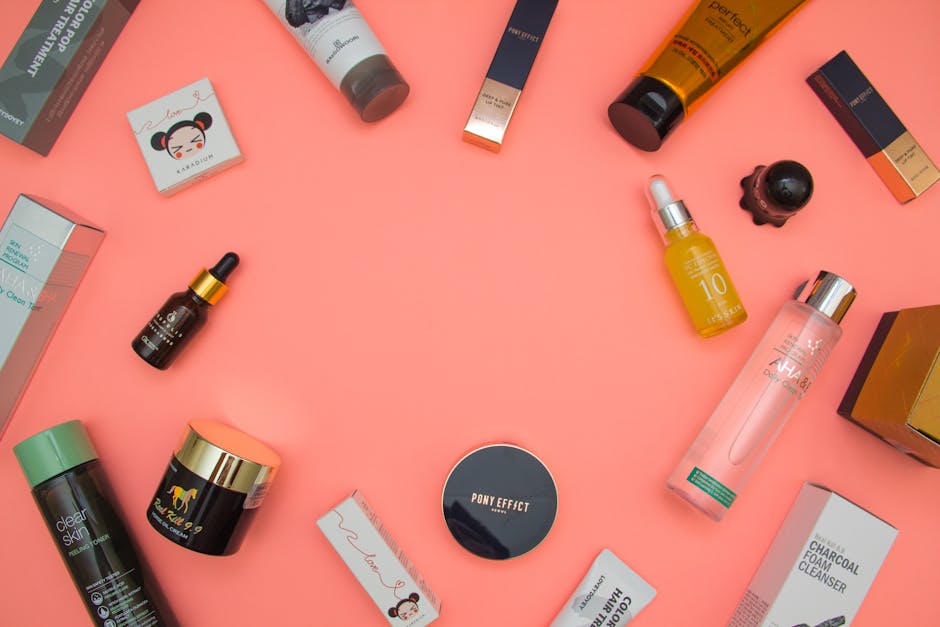
Skincare in Motion: Building Adaptive, Environmentally-Smart Routines for Kuala Lumpur & Singapore
In Southeast Asia, skin health is no longer a static puzzle of “oily vs dry.” Urbanites in Kuala Lumpur and Singapore—AURA’s core audience—confront a relentless cycle of extreme UV exposure, sweltering humidity, pollution surges, and aggressive air-conditioning. This reality renders conventional, one-size-fits-all routines obsolete. The modern, skincare-literate individual expects more: a truly climate-aware skincare strategy, featuring the best sunscreen for humid weather, breathable layers, serums for oily-dehydrated skin, and technology that adapts in real-time.
Today’s consumers are frustrated with “solutions” that suffocate the skin, trigger congestion, or underperform in humid conditions. They seek a systemized approach—integrating digital dashboards, API-driven environmental data (UV, AQI, humidity), and flexible product libraries that anticipate daily climate stressors. This article breaks down how to reimagine your routine and product design, leveraging insights for climate adaptation and barrier resilience, with references from cutting-edge dermatology and practical regional expertise.
Key Trends and Strategies
Granular Environmental Data Powers Real-Time Routine Adjustments
In the past, UV index and PM2.5 readings were obscure stats on government sites. Now, thanks to apps and open APIs from Singapore’s NEA and Malaysia’s DOE, users can pull up live readings for UV index, PSI, temperature, and humidity at the tap of a screen. Third-party platforms like World Air Quality Index and IQAir make this even easier, integrating environmental data into daily life.
This “real-time” data layer has empowered climate-aware skincare users to modify their routines dynamically—swapping in a lightweight sunblock for Southeast Asia’s midday UV spikes or adopting pollution-defense profiles when AQI soars. Brands can now design apps or simple Notion/shortcut dashboards that automate routine switching, bridging the gap between environment and product logic.
Digital Pharmacy Ecosystems: Linking Inventory to Daily Needs
Major regional pharmacy chains—Guardian, Watsons, Caring, and Alpro—have digitized purchase history, product favorites, and offer segmentation by concern. Savvy users can tag products by their role (e.g., “Pollution Shield,” “Barrier Repair”) and automate reminders for reordering. This arms-length inventory tracking unlocks routine curation based on actual product availability and daily climate demand.
From Skin Types to Skin States: The End of Static Prescriptions
No longer can populations be classified as purely “oily” or “dry.” Environmental flux—UV, heat, haze, aircon—drives skin conditions: oily-dehydrated (with oiliness masking underlying water loss), sensitivity coexisting with breakouts, pigment / anti-aging concerns emerging earlier due to constant environmental stress. Solutions like serum for oily-dehydrated skin and repair skin barrier humidity have replaced blanket recommendations.
Clinical evidence now links UV exposure to up to 80% of facial aging and pollution to pigmentation and barrier damage (Front. Med.). This drives demand for best sunscreen humid weather, lightweight sunblocks, and antioxidant-packed, film-forming hydrators.
System-Based Skincare: The Rise of Modular, Switchable Stacks
Western-style, heavy occlusive creams and “miracle” serums are losing relevance. Consumers are shifting toward breathable layered systems—modular product stacks that can shift between “High UV Defense,” “Pollution-Defense,” “Indoor/AC Repair,” and “Barrier Recovery” modes. This evolution enables rapid, data-driven routine switching that fits seamlessly into a 3–4 step, climate-tuned process.
Brands with formulation intent now build flexible portfolios: high UVA-protection fluids, soothing gels for redness/heat, non-comedogenic reparative creams, and anti aging serum humid climate formulations. They support both everyday resilience and targeted recovery.
State and Recommendations for Brands
- Develop and Communicate in Profiles, Not Types: Design your product messaging and app experience around environmental states (“High UV + Haze,” “AC/Indoor Repair”), not just classic categories.
- Integrate Environmental Data: Leverage NEA, OpenWeatherMap, or IQAir APIs to inform users of daily UV/AQI triggers. Even a simple widget or notification can prompt optimal product use.
- Streamline to Critical Steps: Prioritize 3–4 step routines with multi-tasking layers (e.g., hydrating sunscreen, antioxidant-rich lightweight gels) to fit chaotic, humid urban life.
- Formulate for Breathable Resilience: Favor lightweight, non-greasy, film-forming textures ideal for humid climates over occlusive, waxy balms. Highlight Korean/Japanese-inspired, tropical-adapted formulations.
- Personalize by Routine Switching, Not Just Product Choice: Help users map their inventory to profiles so they can pivot routines in seconds—not after weeks of trial and error.
- Track and Close the Loop: Encourage brief skin journaling tied to environmental states—how did Profile B (High UV Defense) perform on UV 12+ days? Adapt recommendations accordingly.
Summary Table: Strategic Contrasts in Skincare System Design
| Category | Heavy Occlusive Western Products | Breathable Layered Systems |
|---|---|---|
| Climate Suitability | Pore-clogging, suffocating in SE Asia heat/humidity | Light, weightless, humidity-adaptive (gel, fluid, film-forming) |
| Routine Logic | Static, single-step “fix” solutions | Profile-driven, switchable stacks tied to live environment |
| Barrier Impact | Can disrupt barrier by over-occlusion or stripping | Resilient: hydration + repair tuned to context |
| Trend Approach | Follows viral actives or textures | Bases on formulation logic, clinical needs |
| Example Product | Petrolatum balm, heavy cream, “universal” retinol | Lightweight sunblock Southeast Asia, soothing gel for redness humidity, barrier repair serum humid climate |
| Time Horizon | Short-term cosmetic fix | Long-term barrier strength and stability |
Audience Segmentation: Challenges and Opportunities
Climate-Aware Skincare Users
Challenges: Navigating rapidly changing UV/AQI, confusion with old “skin type” messaging.
Opportunities: Adopt dashboards that automate switchable routines based on local data. Demand for best sunscreen humid weather, lightweight, breathable SPFs, and real-time advice is soaring.
Sensitive / Compromised Skin
Challenges: High UV + PM2.5 triggers both inflammation and irritation. Trial-and-error with trendy actives can worsen the barrier.
Opportunities: Use dashboards to reduce “variable overload”—focusing on soothing gel for redness humidity, ceramide-rich repair layers, and avoiding unnecessary ingredient switches on extreme days.
Oily-Dehydrated, Combination, and Reactive Skin Types
Challenges: Over-cleansing and skipping moisturizer in heat leads to increased dehydration and compensatory oiliness, fueling breakouts.
Opportunities: Layer lightweight hydrators with a serum for oily-dehydrated skin, pair with non-comedogenic sunscreen and barrier-supportive night care. Routine switching tempers skin swings.
Early Anti-Aging (25–40) in Urban Southeast Asia
Challenges: Premature pigment and collagen breakdown from persistent UV and pollution; classic actives (strong retinol, acids) risk irritation in humid climates.
Opportunities: Consistent daily use of anti aging serum humid climate formulas, antioxidant-rich layers, and strong UVA/UVB defense. Digital cues drive adherence and reduce risk of overdoing actives on “bad” environment days.
Urban vs. Suburban: A Comparison
- Urban Dwellers: Harsher AQI swings, heavier aircon usage, more frequent routine switches required.
- Suburban Users: Still require humidity-adaptive products but may have more stable microclimate; benefit from simpler dashboards, but need strong UV routines for midday exposure.
Comparison Segment: Routine Adaptation Across Segments
- All Groups: Benefit from modular, context-aware routines driven by live data and environmental adaptation.
- Sensitive/Compromised: Should prioritize soothing, barrier repair, and minimize new actives on extreme days.
- Oily-Dehydrated: Focus on avoiding over-stripping; always include a lightweight serum, even in high humidity.
- Anti-Aging Focused: Use climate to inform when to dial up (or down) actives—never at the cost of barrier integrity.
"In Southeast Asia’s urban tropics, the most effective skincare routine is not your ‘holy grail’ serum, but your ability to adapt: matching today’s UV, AQI, and humidity to the right stack of lightweight, clinically-sound layers. Skin health is now a system, not a single product."
Conclusion: The Strategic Imperative—From Static Routines to Adaptive Systems
The time for static, climate-agnostic skincare is over. As environmental stress becomes the central disruptor of barrier health and visible aging, the winners—both brands and consumers—will be those who systemize, not just optimize. Building a real-time skincare dashboard, even with just a smartphone widget and a handful of named routine profiles, converts trial-and-error into actionable stability.
Expect to see rapid advances: brands will roll out app integrations, APIs will inform routine triggers, and modular “profile-based” systems will become the new standard. The forward-thinking consumer or company will align products to roles in these systems, prioritizing Korean/Japanese skincare tropical skin logic, and invest in barrier resilience for the long term. It is no longer a question of “which serum?” but “which configuration for today’s climate and skin state?”
Stay ready—because in humid, high-pollution Southeast Asia, adaptability is your new superpower.