
Singapore 2026 Household Hacks: Save Big On Helpers, Navigate Private-to-HDB Moves, And Maximise Cost-of-Living Support
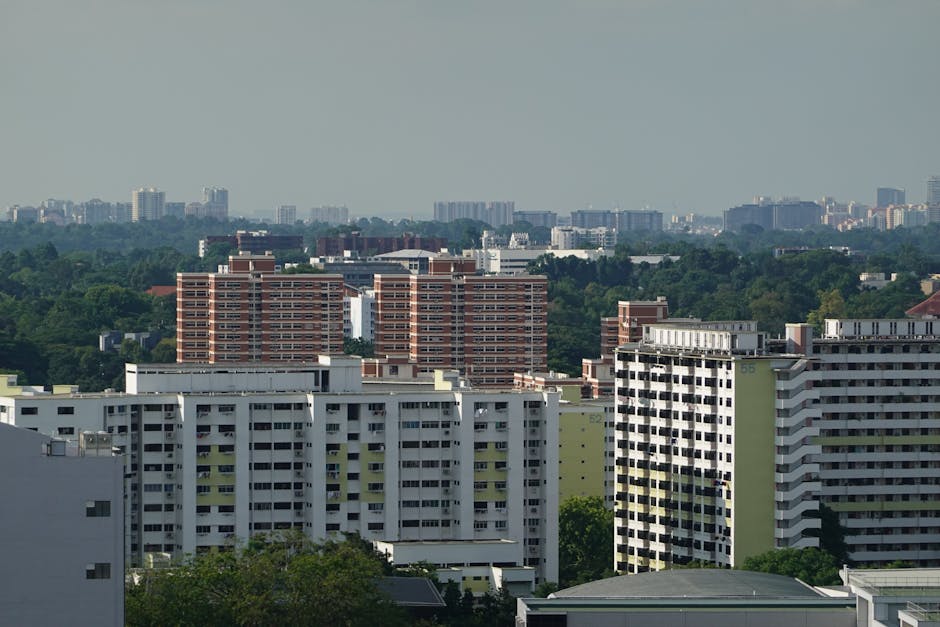
2026 Singapore Household Guide: Cheaper Helpers, Eased HDB Downgrades & Smart Cost Strategies
For Singapore’s household decision-makers, August 2026 brings pivotal ecosystem shifts—especially for those keen to find maid in Singapore, optimize helper hiring, or re-plan their home arrangements. With government moves on helper levy concessions, radical changes in HDB resale eligibility for private property owners, and expanded cost-of-living support, 2026 is a transformative year.
Whether you manage a condo, landed house, or HDB flat—and regardless of whether you’re a first-time employer or seasoned at hiring a helper in Singapore—this article is your guide to mastering the new landscape. Packed with actionable insights for the personal-finance-savvy, it serves GoodHelp readers seeking both practical tips and strategic recommendations for MWD Singapore (Migrant Worker Domestic).
Key Trends and Strategies: 2026’s New Singapore Helper Ecosystem
Cheaper Helpers for Eligible Households
Singapore’s updated maid levy concessions deliver high-impact savings: eligible families now pay S$60/month instead of S$300–S$450—equal to S$2,880 in annual savings per helper. Families with children (<16), seniors (67+), or persons with disabilities qualify. For dual-income condo or private landed households, this makes the live-in helper solution more cost-effective than part-time outsourcing. HDB families caring for elderly parents or disabled members can now realistically afford a helper, especially when leveraging caregiving grants.
See full eligibility criteria.
Stricter Compliance—and Higher Penalties
With stricter rules for MWD Singapore, helpers must hold valid Work Permits, work only at the registered address, and perform domestic chores exclusively. Penalties for illegal deployment reach S$10,000; unlicensed employment can incur up to S$30,000 and mandatory jail for repeats.
Employers must be at least 21, not bankrupt, and meet mental fitness requirements. Helpers are entitled to weekly rest days and proper accommodation standards.
Details on Work Permit rules.
Strategy: Invest in digital helper management apps for roster and permit tracking; consider consultation services for compliant dual-home arrangements especially if caring for children at a relative’s address.
Maid Insurance Market: More Choice, Bigger Spread
Policy comparison shows premiums for helper in Singapore ranging S$270–S$840 for 26-month plans, with notable differences in accidental medical, wage compensation, and personal accident coverage. Higher-tier plans (e.g., AIG Classic or Great Eastern Silver) offer greater financial protection, while budget options (Liberty, Income Basic) meet essential needs.
Compare plans side-by-side.
Strategy: Reframe maid insurance as risk mitigation; use tiered recommendation matrices for condo, landed, and HDB households. Case studies illustrate why premium plans can prevent financial setbacks.
HDB Resale: Eased Rules for Private Owners
Private property owners and ex-owners are now allowed to buy non-subsidised HDB resale flats without the previous 15-month wait after selling. This policy reversal (July 2026) reopens pathways for faster downgrades and enables direct planning for helper address changes, insurance resets, and more seamless family transitions.
Policy update details.
For HDB households, expect renewed competition from condo owners entering the resale market, with prices softening and more bargaining room.
Direct Cost-of-Living Relief for Helper-Employing Families
Budget 2026 delivers S$400–S$600 special cash payments, S$300 CDC vouchers, enhanced U-Save rebates, and expanded ComCare assistance. For HDB families, stacking rebates with helper levy concessions drastically cuts net monthly expenses. Condo/private households can use cash flows to pay up maid insurance or helper salaries.
Full scheme overview.
State and Recommendations: Action Steps for 2026
- Check if your household qualifies for levy concessions: S$2,880/year savings per helper. Use GoodHelp checklists and agencies specializing in eligibility advice.
- Invest in maid insurance: Choose coverage levels matching your asset base and risk appetite. Premium plans suit condos/landed; budget options fit HDB.
- Use digital helper management apps: Manage rosters, rest days, and permit documentation to ensure compliance and avoid penalties.
- Monitor HDB resale market dynamics: If downgrading, prepare for faster transitions and optimize helper address changes, insurance resets, and utility rebates.
- Stack government support: Budgeting templates should allocate CDC vouchers for groceries, U-Save rebates for utilities, and cash payments for helper-related demands.
- For agencies: Bundle helper hiring guides with financial planning worksheets, insurance recommendations, and compliance checklists.
- For fintech and insurance firms: Target discount codes, affiliate offers, and budgeting tools toward helper employers.
Summary Comparison Table: Helper Hiring and Management Choices
| Criteria | Live-in Helper | Part-time Services | First-time Helper | Experienced Helper | Cultural Fit | Skill Depth | Premium Service | Standard Service | Agency Hire | Direct Hire | Contract Duration | Trial Mindset |
|---|---|---|---|---|---|---|---|---|---|---|---|---|
| Cost Structure | Lower with levy concession, fixed monthly | Flexible, per hour/day | Training cost, lower wage | Higher wage, lower training | Customizable, higher upfront effort | Certification, proven track | Comprehensive insurance, firm support | Basic coverage, DIY | Process support, compliance | Less process, more control | 2-year typical | Monthly rolling or short-term |
| Risk Profile | Stable, long-term | Low risk, short-term | Unproven, probation | Reliable, known | Variable, family input | Specialized, higher value | Expensive, seamless | Affordable, basic | Legal, insured | Risk of process errors | Fixed, stable | Flexible, less commitment |
| Compliance | High, needs management | Low, outsource | Needs orientation | Self-driven | May need adjustment | Ready for specific tasks | Full support | Limited support | Agency manages | Employer manages | Mandatory for Work Permit | Trial possible |
Segmented Guidance: House Type, Challenges & Opportunities
Condominiums
Opportunities:
- Rising rents and direct HDB resale entry (no 15-month wait) increase agility. Dual-income families can leverage levy concessions for live-in helper in Singapore.
- Premium insurance plans and digital management tools suit higher asset bases and complex compliance needs.
- Address change management for Work Permits when moving between condo and HDB.
- Ensuring helper compliance with increased rule scrutiny, especially with family split across two homes.
Private Landed Property
Opportunities:
- Multi-generation living makes two helpers viable. Levy concessions and higher-tier insurance (S$100,000+ cover) protect family and household assets.
- Professional household management services (rota, SOPs) support complex needs.
- Complex compliance (multiple helpers, overlapping duties).
- Asset protection: need for comprehensive insurance and legal guidance.
Public Housing (HDB)
Opportunities:
- Levied support, CDC vouchers, U-Save rebates, and enhanced Home Caregiving Grant make helpers affordable for middle-income caregivers.
- Budget maid insurance and monthly budget templates enable precise household planning.
- Balancing tight budgets with caregiving demands; lower-tier insurance may cover only essentials.
- Increased competition in resale market after policy change.
Direct Comparison: Who Gains?
- Condo/Landed: Higher flexibility for moving to HDB, benefit from premium helper services/insurance.
- HDB: Cost advantages with new grants, but must strategize to maximize savings.
Most households—regardless of type—should revisit their helper hiring, insurance, and budgeting strategies in 2026.
“The convergence of cheaper helpers, easier housing moves, and targeted government support means Singapore’s households can now confidently integrate live-in care with optimized budgeting and compliance—making 2026 the year where domestic help becomes a core, defensible household strategy for every segment.”
Conclusion: Strategic Importance and Outlook
Singapore’s domestic ecosystem is in flux, with big wins for households aiming to find maid in Singapore or optimize family budgets. Policy reform, enhanced financial support, and smarter insurance markets have made employing a helper more legally, financially, and operationally accessible. The removal of the 15-month wait-out for private owners buying HDB resale flats enables rapid transitions and flexibility (full policy here). Cost-of-living payments, rebates, and expanded grants mean that even budget-conscious HDB households can secure live-in care.
Strategically, families should stack levy concessions, government grants, and rebates to lower the effective cost of employing a helper—while investing in compliance management and risk-mitigating insurance. This new integrated approach puts Singapore households on a stronger footing, helping them navigate rising rents and changing caregiving needs.
Opinion: If current trends continue, we will see more families—including HDB residents—embracing live-in helpers as the norm, supported by digital tools, smarter insurance, and an increasingly professional domestic help industry. Agencies and service providers should pivot to offer bundled, compliance-centric products, and employers should proactively review their arrangements each year to maximize benefits and avoid penalties.
In short, Singapore’s ecosystem now rewards the thoughtful, well-prepared household more than ever.