
Singapores 2026 Heat Resilience Guide: Smart Cooling, EEG Rebates & Money-Saving Tips For Household Managers
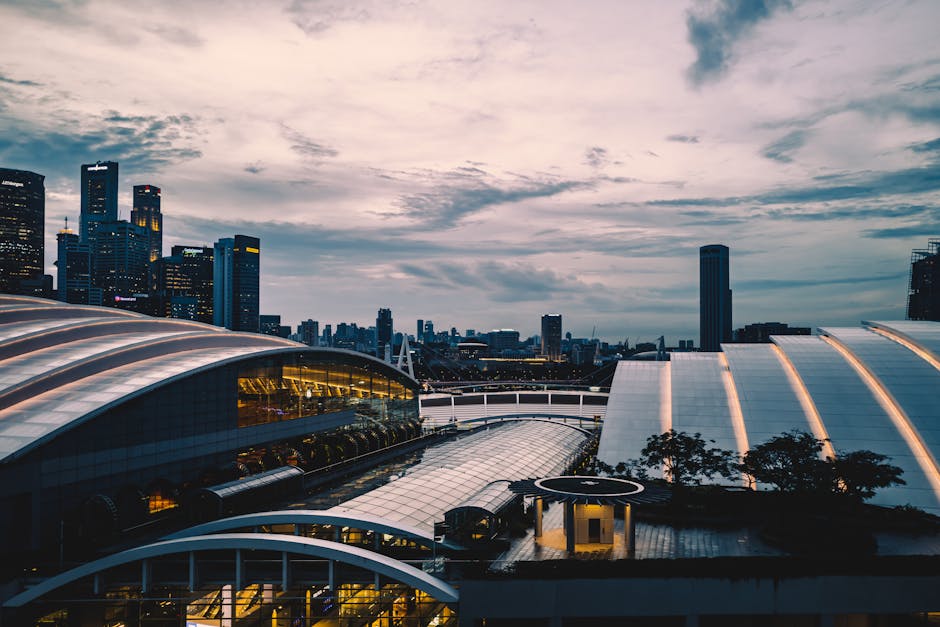
Singapore’s 2026 Year of Climate Adaptation: Practical Heat Relief Strategies for Household Managers
Facing record-breaking heat and rising electricity costs, Singaporean household managers—especially those balancing budgets, routines, and helpers—are on the frontline of climate adaptation. The government’s new Heat Resilience Policy Office has launched a S$40 million Adapting to Heat Impacts initiative under RIE 2030, targeting smarter, more equitable cooling for all.
This is the time to find maid in Singapore with a focus on climate adaptation—those comfortable with evolving routines and new technologies. For GoodHelp’s financially conscious readers steering families, helpers, and homes across condos, private landed properties, and HDBs, this guide decodes the latest policies, best tech, and actionable strategies to stay cool, cut bills, and boost domestic harmony.
Key Trends and Strategies for Singapore Households in 2026
National Heat Resilience: A New Era of Proactive Home Management
The 2026 rollout of the National Climate Adaptation Plan heralds a new focus—heat resilience comes first, ahead of floods and water. The policy shift means:
- Subsidies and research prioritizing affordable in-home cooling.
- Initiatives designed to protect vulnerable groups—children, elderly, and especially live-in domestic helpers who do much of Singapore’s critical household labor, often in demanding heat.
Energy Efficiency Meets Innovation
With electricity prices driven up by global volatility, particularly in the Middle East, Singapore’s government is doubling down on both:
- Expanding the Energy Efficiency Grant (EEG) to all sectors, making inverter ACs, smart fans, and heat-proofing more accessible.
- Solar home adoption targets—3 GWp by 2030 (already past 2 GWp), paired with grants to offset installation costs.
Helper-Centric Adaptations: Comfort Is Productivity
2026’s climate initiatives directly address the reality that helpers, whether live-in or part-time, face intense indoor and outdoor heat stress. Solutions include:
- Low-cost cooling kits and shaded outdoor drying areas—often overlooked but essential for helper well-being and efficiency.
- Flexible scheduling advice so chores like ironing or cleaning take place during cooler hours.
- Appliance upgrades empowered by rebates, enabling even HDB or condo dwellers to invest in inverter ACs or efficient fans.
Challenges and Opportunities by House Type
Condominiums
Condo residents often have access to central amenities but face rising MCST fees as common areas need cooling adaptations. However, individual units can leverage bulk procurement for smarter appliances or participate in group rebate applications. The climate resilience push also means better shaded communal areas, which benefit helpers and residents alike.
Private Landed Properties
Opportunities abound for solar installations and landscaping for natural cooling (e.g., vertical gardens). However, larger homes mean higher utility bills and increased helper workload in maintaining both interiors and exteriors. Upgrading to efficient cooling systems and leveraging EEG grants is crucial.
HDB/Public Housing
The government targets support here due to increased vulnerability: smaller units heat up fast, and budgets are tighter. Innovations like portable solar fans, window films, or shaded communal spaces are being piloted for maximum impact with minimal cost. HDB residents should maximize rebates and community initiatives.
Comparison: Key Opportunities & Constraints
- HDB: Highest vulnerability, most grant-accessible, quickest savings from cheap cooling tech.
- Condos: Centralized solutions, but dependent on management councils—group buy-ins are key.
- Landed: Maximum flexibility but highest upfront cost—solar and efficient ACs pay off fastest.
State and Recommendations
- Apply early for EEG rebates to beat likely 2027 application surges and avoid supply delays.
- Bundle household purchases with GoodHelp-partnered deals: e.g., 10% off portable solar fans or smart thermostats (quote “BlueCarbon” at checkout).
- Prioritize helper comfort: Schedule chores for off-peak heat periods; use shaded or ventilated spaces for labor-intensive tasks.
- Include cooling kits in helper onboarding for both live-in and part-time arrangements.
- For condos/landed, negotiate with MCST or neighbors for bulk appliance upgrades or solar installation discounts.
- Document all upgrades for potential insurance discounts or green financing packages.
Summary Comparison Table
| Dimension | Live-in | Part-time | First-time Helper | Experienced Helper | Cultural Fit | Skill Depth vs Attitude | Premium Services | Standard Services | Agency Hire | Direct Hire | Contract Duration | Trial Mindset |
|---|---|---|---|---|---|---|---|---|---|---|---|---|
| Commitment Level | High | Low-medium | Needs training | Ready to work | Critical for harmony | Balanced: Best is both | Concierge, guarantees | Cost-effective | Streamlined, safe | More control, effort | 2-year standard | Popular post-2025 |
| Heat Adaptation | Easier (constant support) | Challenging (less oversight) | Needs clear SOPs | Adapts quickly | Varies by background | Attitude vital for new tech | Latest devices included | BYO or few upgrades | Handles rebates, training | User handles all claims | Longer (for rebate ROI) | Try before commit |
What Makes This the Optimal Time to Find Maid in Singapore?
The convergence of policy incentives, new helper-focused cooling tech, and rising heat stress means household managers can maximize both helper well-being and family comfort with the right hires and upgrades. Agencies experienced in navigating grants and rebates offer strategic advantage, while independent hires let owners fully customize tech and routines—but require more effort to manage evolving requirements.
"Blue carbon ecosystems store 4x more than land forests – but heat adaptation directly empowers your home."
EDB, Jan-Mar 2026
Conclusion: Strategic Outlook & What Comes Next
Singapore’s 2026 climate adaptation push represents a paradigm shift for household management—empowering residents to counter rising heat with government-backed innovations, rebates, and a new helper-centric perspective. By leveraging initiatives like the EEG, staying up-to-date on helper well-being strategies, and acting early, you can safeguard both your budget and your family’s comfort.
As Singapore transitions to a “heat-smart” society, expect greater integration of smart controls, helper-oriented tech bundles, and even “climate adapted” helper recruitment in agency listings. Forward-looking households that adapt now will not only withstand hotter years ahead—but set new standards for domestic resilience, equity, and efficiency.
Act today: Review your helper contracts, assess your appliances, and secure rebates before the 2027 rush. The best time to find maid in Singapore—ready for the heat—is truly now.