
How Diaper Disposal Companies Scale: Business Models and Market Strategies
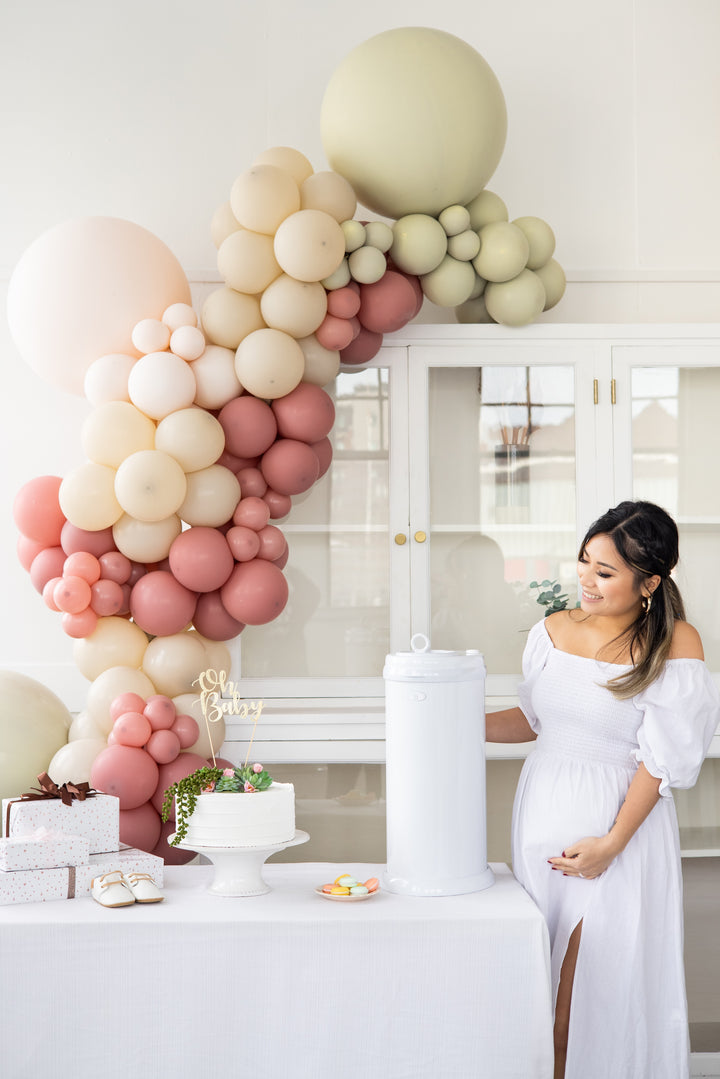
Diaper pail and disposal system manufacturers compete in a moderately concentrated global market, leveraging recurring-revenue consumables, proprietary refill ecosystems, and strategic brand positioning to grow and capture market share.
For business leaders analyzing operational models in FMCG-adjacent categories, this sector reveals how hardware and consumables interplay can drive scale, customer lock-in, and international expansion.
1. Angelcare Group / Diaper Genie: Category Leader with Consumables-Driven Revenue
Diaper Genie’s hardware-plus-refill model dominates via brand reach and proprietary cartridges.
| Founded | 1997 |
|---|---|
| HQ | Montreal, Canada |
| Business model | Branded baby-care manufacturer; pails plus proprietary refill bags for recurring sales |
| Scale | Over 20% global market share for diaper pails in 2025 |
Angelcare scaled Diaper Genie by building household recognition through sustained retail distribution, broadening its product line, and investing in advertising that highlights refills as an integral part of the system.
With recurring sales from proprietary refill cartridges and regular product renewals like the Premier Pail, Angelcare has secured a dominant position in the market, setting the standard for recurring-revenue models in the nursery segment.
What they got right
- Built a proprietary refill ecosystem: Drives repeat purchases and customer retention for predictable revenue
- Maintained broad physical and online retail distribution: Maximized accessibility and household penetration across markets
- Regularly refreshed product lines: Kept the offering relevant and extended lifecycle of the core franchise
- Invested in brand and category leadership: Created strong consumer trust, reducing switching and encouraging refill usage
The takeaway: Owning both hardware and consumables enables dominant recurring revenue and lock-in, a model scalable across global consumer categories.
Sources: gminsights.com
2. Mayborn Group / Tommee Tippee Sangenic: Global Brand Leveraging Multi-Category Strength
Sangenic cross-sells disposal systems with leading nursery products worldwide.
| Founded | 1947 |
|---|---|
| HQ | Newcastle-under-Lyme, United Kingdom |
| Business model | Infant-care company; sells disposal systems and recurring refill cassettes |
| Scale | About 22% of the diaper-refill market |
Mayborn Group expanded Sangenic through Tommee Tippee’s established presence in bottles, feeding, and nursery care, achieving global reach via cross-category retail relationships and aggressive channel management.
The company's strategy of integrating diaper disposal into an extensive product family has secured strong refill-market share, particularly as it leverages economies of scale and international brand appeal.
What they got right
- Cross-sold with popular nursery products: Boosted adoption via trusted brand relationships and seamless upselling
- Maintained international distribution from the UK base: Captured growth in North America, Europe, and Asia-Pacific
- Focused on refill cassettes for recurring revenue: Created a robust post-sale stream that drives overall margin
The takeaway: Embedding consumables into a broad brand portfolio multiplies market access and drives recurring revenue beyond a single product class.
Sources: dataintelo.com
3. Munchkin, Inc.: Portfolio Expansion and Multi-Channel Distribution
Munchkin’s broad baby-care range powers rapid international channel growth.
| Founded | 1991 |
|---|---|
| HQ | North Hills, California, United States |
| Business model | Independent consumer-products company with baby-care pails and consumables |
Originally focused on feeding and bath products, Munchkin diversified into nursery, safety, and waste disposal, building on mass retail and e-commerce to fuel rapid global reach.
Today, Munchkin is consistently recognized among the leading players in the diaper disposal market, with a business model that benefits from cross-category leverage, channel breadth, and product innovation.
What they got right
- Entered diaper disposal from a strong baby portfolio: Leveraged existing retailer relationships and brand equity
- Pursued both retail and online channels: Created wide distribution footprint and resilience to market shifts
- Innovated on both hardware and accessories: Differentiated in-store and online, supporting premium shelf positioning
The takeaway: Extending adjacent products through established channels can yield rapid entry and sustained share in consumables-led categories.
Sources: gminsights.com, theinsightpartners.com
4. Pearhead / Ubbi: Open-System Play with Design Differentiation
Ubbi wins share by supporting standard trash bags and modern aesthetics.
| Founded | Pearhead in 1999 |
|---|---|
| HQ | Brooklyn, New York, United States |
| Business model | Design-led: diaper pails use standard trash bags instead of proprietary refills |
Ubbi’s parent, Pearhead, grew by targeting gift and specialty channels with a nursery accessories portfolio, positioning Ubbi as a stylish, steel-built pail compatible with ordinary household bags.
By removing consumables lock-in and focusing on convenience, switching ease, and contemporary design, Ubbi has established itself among the global leaders without recurring proprietary-refill revenue.
What they got right
- Used standard trash bags: Reduced switching friction and allowed consumers to control ongoing costs
- Emphasized design and materials: Appealed to gift buyers and parents seeking durable, attractive solutions
- Expanded into social commerce and nursery accessories: Drove growth in design-conscious and online-driven segments
The takeaway: A differentiated, open-system design can capture value by removing barriers and targeting style- and cost-focused customers in consumable-heavy markets.
Sources: gminsights.com, theinsightpartners.com, ubbiworld.com
5. Magikan, Inc. / Dekor: Specialist Focus on Odor and Hands-Free Operation
Dekor scales by owning odor containment and hands-free experience in multiple waste categories.
| Business model | Specialist in hands-free diaper and waste-disposal systems with recurring bag revenue |
|---|---|
| Scale | Named among top market participants globally |
Magikan, through Dekor and Korbell, specialized in hands-free and odor-containment features, broadening into pet and general waste categories for increased channel overlap.
The brand’s institutional and household sales allow it to benefit from both consumer and enterprise demand, with its reputation cited among the industry’s leaders.
What they got right
- Specialized in odor control and touchless operation: Built a clear value proposition for hygiene-conscious consumers and institutions
- Expanded channel use to baby, pet, and waste verticals: Widened addressable market beyond diapers alone
- Maintained strong presence in refill and accessory sales: Supported recurring revenue alongside hardware
The takeaway: Niche specialization and multi-channel positioning can secure a lasting foothold even against diversified conglomerates.
Sources: gminsights.com
6. Artsana Group / Chicco: Leveraging a Diversified Global Baby-Ecosystem
Chicco’s international scale enables reliable cross-selling of nursery disposal products.
| Founded | 1946 |
|---|---|
| HQ | Grandate, Italy |
| Business model | Diversified baby-care portfolio including diaper disposal |
Artsana Group utilized Chicco’s legacy in infant-care to add diaper-pail products as part of a much broader offering spanning strollers, healthcare, and nursery goods.
The firm’s established distribution and retail relationships facilitate rapid addition of new SKUs, with global scale that underpins consistent market coverage and cross-category synergies.
What they got right
- Added disposal products to established baby portfolio: Simplified go-to-market and enabled bundled retail promotions
- Leveraged parent group’s international operations: Ensured consistent access and after-sale support in diverse regions
- Benefited from portfolio cross-promotion: Strengthened share of wallet among existing customers
The takeaway: Deep international infrastructure and cross-category leverage can enable rapid entry and defensibility even in mature consumables sectors.
Sources: fundamentalbusinessinsights.com
7. Dorel Juvenile / Safety 1st: Value-Focused Expansion with Broad Retail Reach
Safety 1st leverages mass retail and one-time sales to capture share via accessibility and price.
| Founded | 1984 |
|---|---|
| HQ | Columbus, Indiana, United States |
| Business model | Mass-market juvenile-products brand with disposal items and selective refill monetization |
Dorel Juvenile expanded Safety 1st by utilizing existing car seat and home safety networks, focusing on wide retail availability, aggressive value pricing, and integration with nursery channels. (Source)
As a result, the brand remains prominent in the market, relying more on hardware sales than deep consumables lock-in, but capitalizing on volume and channel breadth.
What they got right
- Leveraged mass retail and e-commerce: Maximized reach among price-sensitive customer segments
- Used established product networks: Enabled seamless upsell opportunities for families already using Safety 1st
- Kept refill economics secondary: Reduced consumer friction and facilitated hardware sales
The takeaway: Mass retail presence and value positioning can offset lower recurring revenue with greater market access and volume.
Sources: theinsightpartners.com, fundamentalbusinessinsights.com
Diaper disposal companies succeed by strategically balancing hardware innovation, consumables revenue, portfolio leverage, and distribution reach. For business leaders, these models demonstrate how product design, refill lock-in, and channel strategy can be calibrated for scale and long-term profitability in consumable-centric markets.