
Singapores S$1 Billion AI Investment: How Smart Homes And AI Tools Are Revolutionizing Household Management In Singapore
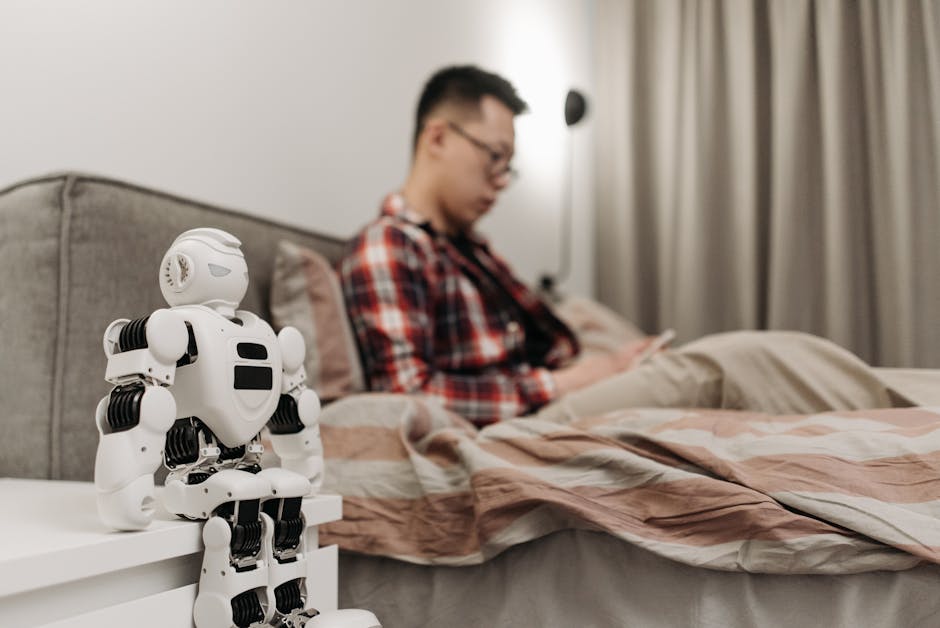
Singapore’s S$1 Billion AI Boost: Smarter Homes and Easier Budgets for Busy Households
Introduction: AI, Households, and the Future of Domestic Management
Singapore’s latest Budget 2026 marks a transformative leap for domestic managers, families, and anyone striving to find maid in Singapore and optimise household routines. With a bold S$1 billion commitment to AI over five years, powered by the newly established National AI Council chaired by PM Lawrence Wong, Singapore is enacting a future where artificial intelligence becomes as essential as utilities or public transport. This new normal promises not just tech upgrades, but tangible benefits in time, cost, and quality of life—especially pertinent for Singaporeans managing helpers, juggling mortgages, and keeping tight budgets under control.
If you manage a household—whether in a condominium, private landed property, or HDB flat—the AI revolution means more than just gadgets. It’s about effortless home optimisation: from automated energy savings, predictive helper scheduling, and real-time budgeting apps to actionable rebates and home innovation offers. Here’s how to navigate this smart future, make savvy choices, and even access exclusive incentives as you find maid in Singapore or upgrade your household systems.
Key Trends and Strategies
1. AI-Powered Domestic Efficiency for All Households
The core of Budget 2026’s AI vision is everyday practicality. Singapore’s S$1 billion investment aims to seamlessly weave AI into daily life—especially at home. Whether you’re handling a helper, monitoring kids, or overseeing routine maintenance, next-generation AI apps are set to revolutionise urban solutions and smart homes.
- Smart Grids & Green Energy: Predictive AI models integrated with the ASEAN Power Grid initiative will allow households to automate energy use. Expect up to 20-30% savings on utilities, which is increasingly relevant as you manage bills and plan household expenses.
- Home Automation & Helper Management: New AI-powered systems can predict scheduling needs, automate cleaning or maintenance reminders, and even advise on the best way to find maid in Singapore based on your household’s unique preferences.
- Personal Finance & Budgeting: Real-time expense trackers—backed by government incentives—make it easier to stick to budgets, adjust mortgage planning, or tap into exclusive rebates on home upgrades.
By laying down a robust AI foundation, Singapore is championing smart connectivity—cutting costs for families and empowering domestic managers with insights that were unthinkable a few years ago.
2. Home Upgrades: Innovation Meets Affordability
AI’s benefits extend to physical home upgrades, with actionable offers for every housing profile. For example, Johnson Controls’ S$60M Innovation Centre expansion brings advanced cooling technology originally designed for data centres into everyday homes, slashing air-conditioning bills by up to 25% and integrating with helper-monitored security systems. Exclusive offers and free AI helper consults make it easier—and more affordable—to upgrade, with many options offset by SME grants of up to 70% and the AI “Champions” rebate programme.
3. Integrating AI with Human Expertise: Augment, Don’t Replace
As much as technology automates, the role of the human helper remains pivotal. AI tools can predict schedules, optimise cleaning routines, and enhance security, but the real breakthrough is in hybrid management—using smart tools to support, rather than supplant, well-trained helpers and domestic managers. This is especially relevant as house managers seek to find maid in Singapore with not just skill depth, but adaptability to an AI-optimised environment.
State and Recommendations
- Upgrade Incrementally: Evaluate current inefficiencies, such as high utilities or unpredictable helper schedules, and trial affordable AI solutions—starting with smart energy management and home security.
- Tap into Grants and Rebates: Leverage SME grants (up to 70%) and exclusive offers like Johnson Controls’ 10% off for GoodHelp readers. Don’t miss AI “Champions” rebates for early adopters.
- Integrate Human and AI Management: Choose systems that work alongside, not against, helpers. Opt for platforms that offer helper integration consults (free until October 2026).
- Prioritise Data Security: With increased connectivity comes risk. Favour reputable brands and consult Enterprise Singapore for compliance and eligibility guidance via the Budget 2026 Portal.
- Stay Informed, Stay Flexible: The pace of AI innovation is fast. Subscribe to updates, attend council briefings, and remain open to trial upgrades—especially if you plan to find maid in Singapore with tech-savvy or upskilling requirements.
Summary Comparison Table
| Category | Live-in Helper | Part-time Helper | First-time Helper | Experienced Helper | Cultural Fit | Skill Depth | Premium Service | Standard Service | Agency Hire | Direct Hire | Full-term Contract | Trial/Taster Mindset |
|---|---|---|---|---|---|---|---|---|---|---|---|---|
| Condominium | Ideal for busy routines; synergy with smart home integration | Good for flexible needs; may need frequent find maid in Singapore refresh | Often more adaptable to condo culture/tech | Fast ramp-up; less time spent on training | Important for family privacy, diverse residents | Useful for event management, guests | Enhanced concierge, vetted, tech-trained | Basic cleaning, errands | Vetted, paperwork handled, warranty | Risk/reward; cheaper, less support | Stability, loyalty, security checks | Test fit for chemistry & routines |
| Private (Landed) | Often essential; large premises and outdoor needs | Less common; not optimal for security-sensitive homes | Can be good for bespoke tasks, gardening, pets | Experience crucial for complex estates | May require specific etiquette, language skills | Garden, pool, multi-level home skills | Best for estate management, travel flexibility | Core cleaning only | Comprehensive insurance/guarantees | Possible for trusted referrals | Preferred for continuity, long-term service | Short trials less common, but possible |
| HDB/Public | Popular for families with elders/kids | Handy for simple, targeted chores | Flexible to multigenerational needs | Speeds up adaptation to local practices | Key for harmony in close quarters | Laundry, elderly care upskilling | Possible, but watch cost/ROI | Faster placement, lower entry | More affordable, suitable for first-timers | Lower cost, greater risk | Preferred for families seeking stability | Test chemistry with family before full hire |
Challenges and Opportunities by House Type
Condominiums
Condo managers can leverage AI for seamless integration—automated guest entry, energy monitoring, and even helper schedule prediction. The challenge lies in balancing privacy with interconnected tech and sourcing helpers (find maid in Singapore) familiar with such environments.
Private Homes (Landed)
Larger and more complex, landed properties benefit from enhanced AI-driven estate management (gardens, pools, multi-level security). The opportunity lies in customising helper roles and optimising larger utilities, but it requires more advanced training and higher upfront investment in AI upgrades.
HDB/Public Housing
AI brings affordable smart tech to HDBs—energy-saving smart grids, simple app-based scheduling, and rebates on practical upgrades. The challenge is maximising value on a tight budget and ensuring cultural alignment with neighbours. Choosing helpers who can adapt to multigenerational needs or who are tech-friendly is a plus.
Comparison Summary
Overall, condos offer the greatest opportunity for tech synergy, landed estates require higher upfront investment but gain most from complex optimisations, while HDBs benefit most from cost-effective, grant-supported adoption—especially for busy, financially conscious families seeking to find maid in Singapore who can navigate these environments.
“Singapore’s S$1 billion AI initiative isn’t just about innovation—it’s about empowering households to thrive. The homes that integrate AI with thoughtful human management will set the standard for efficiency, safety, and quality of life in the region.”
Conclusion: Strategic Value and What’s Next
The intersection of AI and domestic management marks a unique opportunity for Singaporean households. By acting early—leveraging government grants, exclusive offers, and integrating AI with the expertise of trusted helpers—domestic managers can unlock substantial utility savings, boost daily productivity, and make smarter, more informed financial decisions. With Singapore’s pioneering investment, expect rapid advances not just in smart grids and home apps, but in the very way families find maid in Singapore, manage household routines, and future-proof their finances.
What’s next? With new AI missions on sustainability and transport on the horizon, we anticipate cross-sector innovation—think helper talent matched to your household’s AI profile or seamless integration of budgeting, scheduling, and home management. The smartest households will be those that blend technology with the warmth and expertise of human helpers, creating resilient, adaptable homes ready for Singapore’s AI-driven future.