
Singapores S$1 Billion AI Upgrade: How Smart Home Tech Is Transforming HDB & Condo Living For Busy Households
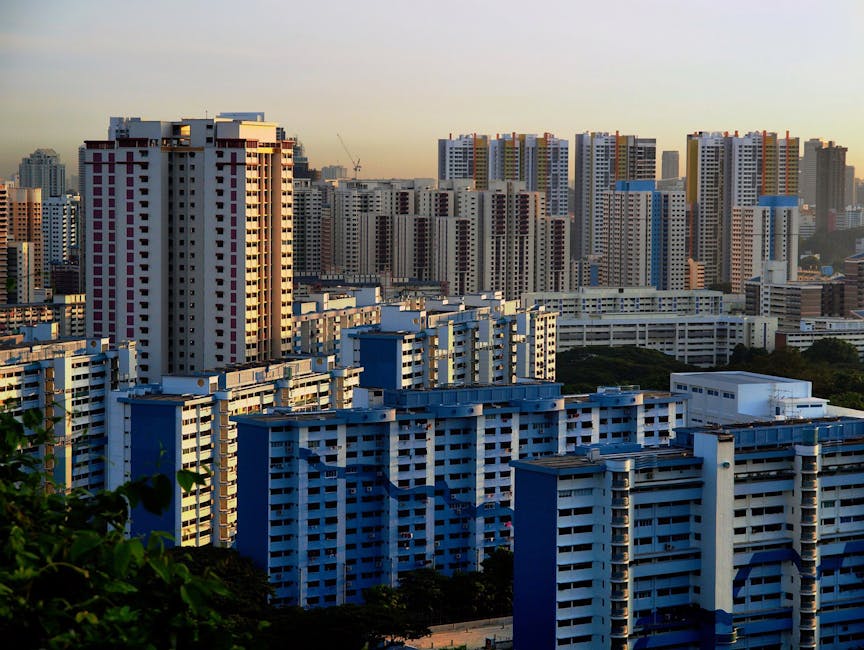
Singapore’s S$1 Billion AI Initiative: Smarter Homes, Happier Families, and the Future of Domestic Management
As Singapore continues its journey toward global smart city leadership, Budget 2026 has set an unmissable milestone: an ambitious S$1 billion commitment to AI innovation over five years. This move is poised to reshape day-to-day life for the nation’s household managers—from those in bustling HDB flats to luxury condos—who juggle complex schedules, rising costs, and the ever-present challenge to find maid in Singapore who truly fits the family’s needs.
But what does this mean, practically, for Singapore’s adults responsible for hiring and managing domestic helpers, orchestrating busy households, and optimizing budgets? Let’s dive into how these investments will unlock smarter homes, more efficient routines, and ultimately, more quality time for families.
Key Trends and Strategies
Government Backing: Major Funding, Bold Vision
The 2026 Budget announcement signals more than financial support—it reflects a strategic bet on AI as core to Singapore’s next phase of competitiveness. With the National AI Council, helmed by PM Lawrence Wong, and cross-sector initiatives under RIE2025/2030, local households stand to benefit from a trickle-down of advanced technologies directly impacting home life.
For the household manager, this means that even before you ‘find maid in Singapore’, you can access tools that automate and elevate domestic routines, from predictive cleaning to seamless helper scheduling.
AI-Driven Home Automation: From Hype to Everyday Reality
AI isn’t staying in research labs. It’s arriving in your living room. Whether you reside in a high-rise condominium with integrated services, a private landed home with complex maintenance needs, or a public HDB flat where efficiency is everything, this influx of innovation is real. Think:
- IoT devices synced with government-backed digital platforms for cleaning, security, and maintenance
- AI-optimized air conditioning and energy systems saving 20-30% on utilities—proven by recent regional data centre trends
- Smart scheduling platforms (integrated with your helper’s mobile) to streamline everything from meal prep to grocery restocking
Supporting Households: Training, Talent, and Tech Adoption
Beyond foundational tech, the government is investing in people: scholarships for AI and smart home management, plus digital upskilling for domestic helpers. That translates to:
- Helpers who can leverage smart platforms and apps as a standard part of their role
- Access for household managers to free or subsidized AI adoption toolkits via programs like Champions of AI
- Potential to recoup investments quickly—ex: Johnson Controls’ Smart Building Solutions (S$60M local expansion), which pay for themselves in under 6 months through energy savings
State and Recommendations: Practical Steps for Singapore Households
- Enroll in AI Adoption Programs: Tap into Enterprise Singapore’s enhanced grants (up to 70% subsidy for household technology adoption from April 2026). These tools can also be adapted for household use, even if they’re designed for small businesses.
- Invest in Smart Building Bundles: Prioritize solutions that integrate helper training, security, and energy management—like the exclusive Johnson Controls’ Smart Building Solutions, which are Industry 5.0 ready and offer a payback in energy costs. GoodHelp readers, look for special setup discounts via EDB-approved installers.
- Up-skill Your Domestic Helper: Leverage training apps included in many smart home packages—ensuring your helper is not just “AI-literate” but empowered to automate repetitive or time-consuming chores, freeing up your schedule.
- Review Your Home’s AI Readiness: Whether in a new condo or aging HDB, conduct an audit—what’s compatible, what needs upgrading, where are your biggest pain points (cleaning, security, utilities)? Channel resources accordingly.
- Stay Informed and Strategic: Monitor ongoing government incentives and pilot programs—these evolve quickly and deliver early-adopter advantages. Check MTI updates on ecosystem rollouts and GoodHelp features for curated tips and offers.
Helper Management Comparison Table
| Criteria | Live-in | Part-time | First-time Helper | Experienced Helper | Cultural Fit | Skill Depth vs Attitude | Premium Services | Standard | Agency Hire | Direct Hire | Full Contract | Trial/Short-term |
|---|---|---|---|---|---|---|---|---|---|---|---|---|
| Cost | Lower per hour | Higher per hour | Lower wages | Higher wages | Variable | High skill/High cost | Higher fees | Lower fees | Agency fee applies | More direct negotiation | Long-term security | Flexibility, less risk |
| Flexibility | Lower (fixed) | High (on-demand) | Learning curve | Immediate value | Key for family harmony | Attitude may offset skill | Concierge/tech-enabled | Essentials only | Vetted, less admin | DIY admin & interviews | Penalty if break | Adaptable but less secure |
| Best For | Large/complex homes | Small/occasional tasks | Budget-focused | Quality-focused | Multinational homes | Seasoned households | Luxury condos, expats | HDBs, traditional models | First-timers, seamless | Cost-savers, niche tasks | Settled families | Short stays, trial-fit |
Segmented Analysis: Households by Type
Condominiums
Opportunities: High compatibility with integrated AI solutions—condo MCSTs may offer bulk upgrades, and security/smart cleaning integration is seamless. Helpers can be easily upskilled via shared amenity training.
Challenges: Premium service costs and data integration complexities—expect higher upfront but faster ROI on energy and convenience.
Private/Landed Homes
Opportunities: Greatest scope for custom smart home solutions—e.g., linked garden irrigation, advanced security, and personal assistant-style helper routines.
Challenges: Infrastructure costs are higher, and “find maid in Singapore” with the right skill depth is critical to maximize the value of new systems.
Public Housing (HDB)
Opportunities: Targeted government incentives benefit this group the most—upfront grants, community pilot projects, and programmatic support mean affordable access to AI.
Challenges: Space constraints require modular, scalable solutions; device compatibility may vary by building age.
Comparison: Opportunities and Challenges Across Segments
- Condominiums: Best for all-in-one convenience, but at a premium.
- Private Homes: Customization potential is highest; requires skilled helpers and readiness for ongoing investment.
- HDBs: Most affordable to access government support, though some limitations on scope/scale of automation apply.
“Singapore’s S$1 billion AI push isn’t about robots replacing helpers—it’s about empowering both helpers and household managers to work smarter, save money, and ultimately reclaim time for what matters most: family.”
Conclusion: The Strategic Edge—Where Next for Household Management?
Singapore’s government, startup community, and global tech partners are coming together to transform domestic life for the better—making the need to “find maid in Singapore” not just about filling a gap, but enabling true household synergy.
As ecosystem investments accelerate and more homes access advanced, AI-powered solutions, expect the following trends to take root:
- Domestic helpers will routinely manage AI platforms as part of their core duties, requiring both selection and training to emphasize digital literacy.
- Smart home packages will become a differentiator in property value—especially in condos and growth-linked neighborhoods.
- Households that embrace pilot programs and tech upskilling early will enjoy lower utility bills, better helper retention, and more leisure time.