
The 2026 Guide To Pollution-Proof, Heat-Resilient Skincare In Jakarta, Manila, Bangkok, Hanoi, Ho Chi Minh City, And Singapore
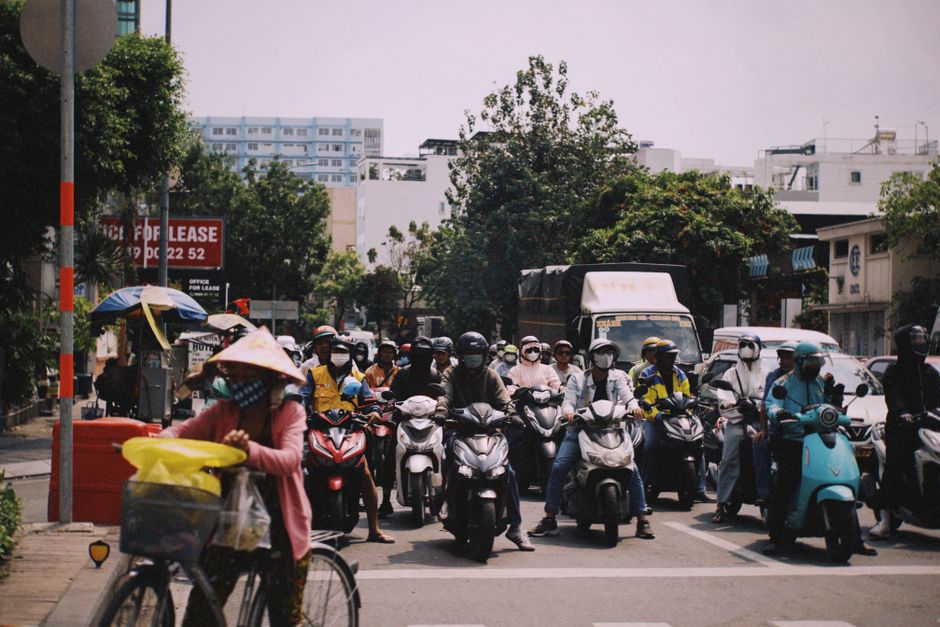
Environmental Skincare Evolution: Pollution, Heat, and Humidity Redefine Urban Skincare for Southeast Asia
In 2026, a paradigm shift is reshaping the way climate-aware, urban Southeast Asians approach skincare. No longer is SPF alone the frontline defense—instead, a new science-backed consensus recognizes air pollution, chronic heat, and humidity as the primary drivers of skin sensitivity, oily-dehydrated imbalance, and early aging in Southeast Asia’s dense urban centers [1][4][7][12][14].
For the modern, skincare-literate individual in Jakarta, Manila, Bangkok, Ho Chi Minh City, Hanoi, or Singapore, this recognition validates the frustration with heavy, ineffective products and reframes “problem skin” as a logical response to a hostile environment. As consumers search for skincare for humid climate, lightweight sunblock Southeast Asia, soothing gel for redness humidity, and repair skin barrier humidity, brands like AURA that root their approach in current exposome science hold a unique edge.
Key Trends and Strategies for 2026: Rethinking Skincare for Southeast Asia’s Exposome
1. Pollution as a Primary Skin-Aging Driver
Emerging clinical consensus now classifies urban air pollution—especially PM2.5 and PM10 particulate matter, ozone, and nitrogen oxides—as co-equal with UV radiation in accelerating visible aging, sensitivity, and pigment irregularity [4][8]. Particulate matter penetrates via follicles and disrupts mitochondria, triggering oxidative stress, barrier compromise, and stubborn hyperpigmentation—issues especially pronounced in tropical Asian populations [11].
This underpins a rise in demand for pollution-shielding systems—products that go beyond “hydration” or “anti-aging” and act as an environmental shield. Best sunscreen humid weather now means a product that performs under relentless PM exposure, sweat, and tropical UV in concert [7].
2. Humidity: A Double-Edged Sword
While high ambient humidity lowers TEWL (transepidermal water loss) and delays some dehydration-linked wrinkling, it dramatically boosts sebum and sweat—fueling irritation, breakouts, and microbial overgrowth, especially in combination or reactive skin types [12]. This highlights the futility of occlusive, “rich” Western skincare: instead, lightweight, non-occlusive layers that respect native humidity are preferred [1].
The demand for serum for oily dehydrated skin, soothing gel for redness humidity, and anti aging serum humid climate is driven by this climatic paradox. Brands that leverage humidity for hydration while controlling inflammation, oil, and biofilm will stand out.
3. Urban Heat and Microclimate Swings
Southeast Asian urban “heat islands” now regularly average 29–31°C, with spikes that create chronic inflammation, increased sweating, and compromised elasticity [5][10]. Add daily commutes between air-conditioned and outdoor environments, and skin is repeatedly stressed, undermining even well-formulated routines [13].
This cements the need for heat-resilient, breathable systems: korean japanese skincare tropical skin—adapted for real-world Southeast Asian conditions—outperforms heavier, occlusive Western formulations.
4. Urban Sensitivity: A Clinically Recognized Pattern
PM-induced sensitivity—characterized by redness, breakouts, barrier breakdown, and pigment storms—is now an established phenomenon, especially in darker phototypes and those with a history of eczema or acne [7][14]. AURA and similar brands can credibly position “barrier-first, pollution-aware” systems as a strategic answer to this widespread but under-addressed need.
5. Long-Term Barrier Resilience Over Cosmetic Quick Fixes
A new generation of savvy consumers is shifting away from harsh actives and instant-gratification solutions toward long-term, barrier-centric approaches. Repair skin barrier humidity is a strategic, not just aesthetic, goal in tropical urban life, requiring microbiome-friendly, lightweight, and cumulative routines rather than aggressive weekly “fixes.”
State and Recommendations: Action Steps for Brands and Users
- Reframe product positioning: Anchor all messaging around “environmental defense” rather than traditional categories (“hydration,” “anti-aging,” etc.) [7].
- Formulate with climate logic: Prioritize humidity-smart, non-occlusive, sweat-resilient textures—gels, light emulsions, and fluid sunscreens tested for high PM and heat [12].
- Integrate pollution-aware actives: Use antioxidants, pigment modulators, and barrier support ingredients that directly address PM- and ozone-induced pathways, e.g., AHr, Nrf2, and MAPK [14].
- Educate with clarity: Offer systemized routines mapping each product to a specific environmental threat (heat, humidity, PM2.5, UV) for transparency and user trust.
- Highlight “urban sensitivity” solutions: Develop content and products for users struggling with redness, flare-ups, and stubborn pigment—especially those who feel “good” products are still failing them.
- Test with real-world protocols: Validate performance under commutes, AC-to-street transitions, and high sweat rather than only in static climate lab environments.
Summary Table: Market and Formulation Contrasts
| Dimension | Heavy Occlusive Western Products | Breathable, Layered Systems (e.g., AURA) |
|---|---|---|
| Texture & Feel | Rich, heavy, may trap sweat/biofilm Can feel sticky in high humidity | Light, fast-absorbing Tested for non-occlusive wear in heat |
| Formulation Philosophy | Trend-driven (e.g., short-term actives) Not climate-adapted | Formulation logic: humidity-smart, barrier-first Pollution & heat resilience prioritized |
| Results Focus | Short-term cosmetic improvement Potential for occlusion and reactivity | Long-term barrier resilience Systemic routine for oily-dehydrated, sensitive skin |
| Best Use Case | Arid/cold climates, dry skin | Urban Southeast Asia: humid, polluted, hot cities |
Segmentation: Challenges & Opportunities by User Profile
1. Climate-Aware Skincare Users
Challenge: Navigating marketing noise; skepticism toward “one-size-fits-all” claims.
Opportunity: Systemized, exposome-specific solutions (skincare for humid climate, best sunscreen humid weather, lightweight sunblock Southeast Asia); transparent mapping of routines to environment.
2. Sensitive / Compromised Skin
Challenge: Reactivity, recurring redness or breakouts in spite of “hypoallergenic” claims; PM2.5-induced barrier fragility.
Opportunity: Soothing gel for redness humidity, repair skin barrier humidity; microbiome-friendly, minimal-residue systems explicitly tested for pollution and urban stress.
3. Oily-Dehydrated, Combination, and Reactive Skin Types
Challenge: Sebum overproduction plus TEWL from surfactants/AC; products either overdry or clog pores.
Opportunity: Serum for oily dehydrated skin, anti aging serum humid climate, ultra-light emulsions, fluid sunscreens—layerable and sweat-compatible.
4. Early Anti-Aging (25–40)
Challenge: Early pigment, roughness, or dullness rather than deep wrinkles; indoor/outdoor PM exposure.
Opportunity: Korean Japanese skincare tropical skin—focus on pigment control, long-term barrier, and antioxidant support rather than only “wrinkle” serums.
5. Urban Southeast Asia as a Whole
Challenge: Extreme environmental volatility: heat, humidity, air-conditioned indoor spaces, and high PM.
Opportunity: Brands rooted in exposome science (heat, humidity, PM2.5, UV) and “engineered for real cities”—with routines that feel light, perform under sweat, and actively soothe.
Comparison Segment
While all audience segments grapple with pollution and humidity, sensitive and combination types are most vulnerable to product missteps—underscoring the importance of barrier-first logic. Early anti-aging shoppers benefit from pigment and texture-focused innovation, while climate-aware users increasingly demand that marketing be backed by real science, not buzzwords.
“Your skin isn’t confused—your environment is hostile. Heat, humidity, and PM2.5 are rewiring how your barrier, pigment, and oil glands behave. Skincare that doesn’t explicitly account for Southeast Asia’s pollution and climate will always feel too heavy, too reactive, or too weak.”
Conclusion & What Comes Next
The strategic future of urban Southeast Asian skincare is clear: products and routines must be engineered as environmental defense systems, not just creams in a jar. Pollution, heat, and humidity have moved from peripheral concerns to central shapers of skin health and aesthetics. For AURA and similarly positioned brands, this is more than a marketing angle—it is now a clinical imperative, validated by the latest research and echoed in the day-to-day frustrations of savvy consumers [1][4][7][12][14].
Looking ahead, the next competitive frontier will be real-world tested, humidity-smart, anti-pollution routines that deliver not just cosmetic results, but true barrier resilience and adaptability under ever-changing urban stress. Expect consumer education, ingredient innovation, and cross-Asian R&D to accelerate—making the Southeast Asian city dweller the global benchmark for environmental skincare advancement.