
The Ultimate Guide To Auditing Your Skincare Routine In Kuala Lumpur & Singapore: Real-Time Shopee Ingredient Tracking For Humid, High-UV Conditions
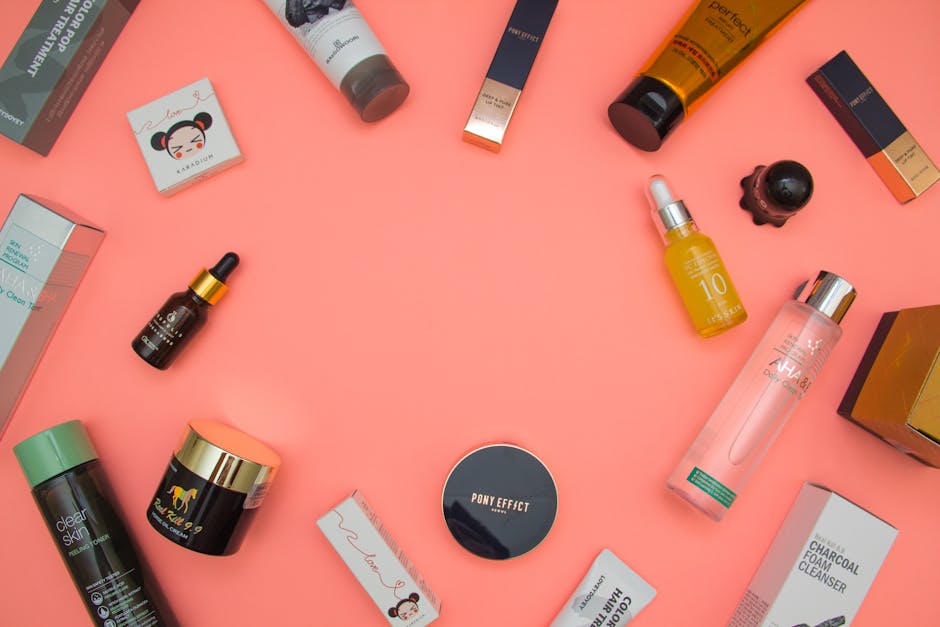
Auditing Your Skincare Routine in Southeast Asia: Harnessing Shopee Ingredient Trackers for Climate-Resilient Skin
For skincare-literate individuals in Kuala Lumpur and Singapore, daily life presents a uniquely challenging cocktail for skin: relentless humidity, extreme UV exposure, heavy urban pollution, and constant shifts between air-conditioned interiors and tropical heat. These environmental pressures mean that routines and products imported from temperate climates—heavy occlusives, matte sunscreens, or aggressive actives—often fail spectacularly.
AURA’s community is increasingly focused on systemized, climate-aware skincare: routines built on ingredient logic rather than hype, with a strong preference for breathable layered systems, lightweight sunblock for Southeast Asia, soothing gels for redness in humidity, and repair solutions for a compromised skin barrier. For those battling oiliness plus dehydration, sensitivity plus breakouts, or premature aging under UV, the rise of real-time Shopee ingredient tracking offers a powerful tool for evolving from confusion to clarity.
Key Trends and Strategies
1. Ingredient Transparency Goes Mainstream
With Shopee’s e-commerce ecosystem now rich in detailed INCI lists, claim badges (fragrance-free, alcohol-free), and live consumer reviews, every product becomes structured data. Routine audits are no longer guesswork—they’re driven by ingredient exposure, helping you prioritize climate-adapted options like best sunscreen for humid weather, soothing gel for redness humidity, and serum for oily dehydrated skin.
2. Layering Complexity—The Double-Edged Sword
Flash sales and influencer hauls entice users to over-buy and layer multiple products—sometimes doubling up on actives like AHAs, niacinamide, or retinoids. In Southeast Asia, this can trigger conflicting skin signals: oiliness with dehydration, sensitivity with breakouts, pigmentation exacerbated by environmental stress. Ingredient tracking enables “formulation literacy,” so routines can be tightened for repairing skin barrier in humidity and preventing actives overload.
3. Formulation Innovation Outpaces System Literacy
Products now combine multiple hero actives—e.g., a “hydrating toner” packing PHA, niacinamide, and botanical extracts. Without tracking, users risk hidden redundancy (three niacinamide steps, multiple exfoliants). By mapping routines, AURA’s audience can build breathable, climate-adapted systems—think korean japanese skincare for tropical skin and anti aging serum for humid climates—where each step serves a distinct function.
4. Shopee as a Living Ingredient Database
Shopee isn’t just a marketplace; it’s an up-to-date ingredient catalog, with regional brands (Hada Labo, Eucerin), reviews tagged by climate context, and rapid feedback loops. By leveraging Shopee, users balance trend-driven purchasing with formulation logic, consistently finding lightweight, fragrance-sensitive options with proven resilience in humidity.
State and Recommendations
- Prioritize Official Stores & Ingredient Verification: Seek out Shopee Mall or official brand listings for reliable INCI panels. Avoid vague listings and update ingredient trackers for reformulations. (spa therapy routines)
- Audit for Cumulative Exposure: Map your current routine—every product used in the last month. Classify by function: cleanser, humectant, barrier repair, exfoliant, pigment modulator, SPF. Identify overlap in actives (e.g., multiple acid steps or excessive niacinamide) and cut redundancy.
- Choose Climate-Adaptive Formulations: Prefer lightweight gel-creams, hydrating serums with panthenol and HA, and SPF with modern filters. Use Shopee reviews to find lightweight sunblock for Southeast Asia and non-occlusive moisturizers.
- Monitor for Irritants: Limit fragrance and drying alcohol, especially in leave-on steps. Avoid layering more than one product with essential oils. Track reactions and adjust routine using your ingredient map.
- Establish Feedback Loops: When introducing new products, log ingredient lists. When skin reacts, review recent changes and climate context. Quarterly audits help routines evolve strategically, not reactively.
Summary Comparison Table
| Aspect | Heavy Occlusive Western Products | Breathable Layered Systems | Trend-Driven Skincare | Formulation Logic | Short-term Cosmetic Fixes | Long-term Barrier Resilience |
|---|---|---|---|---|---|---|
| Texture | Rich creams, balms, waxes; may suffocate in humidity | Gel serums, emulsions, modular layering | Often dictated by launches & influencer hauls | Actives, humectants, lipids balanced for local climate | Immediate mattifying, pore-blurring | Focus on ceramides, antioxidants, soothing ingredients |
| Environmental Fit | Poor for hot/humid climates; prone to congestion | Optimized for humidity; reduces oil/dehydration conflicts | Low adaptation; mostly Western-centric | Climate-responsive, ingredient-mapped | Temporary solutions; may worsen barrier over time | Builds skin integrity against UV, pollution, AC stress |
| Routine Logic | Single product replaces many steps; oversimplified | Stepwise functional roles; easy to swap modules | Impulse-driven, lack of mapping | Structured by ingredient exposure & tolerance | Fast results, but unpredictable long-term outcomes | Stable, individualized routines, fewer flare-ups |
| Opportunity | Good for dry, cold climates | Excellent for KL/SG; allows for easy adaptation | High consumer engagement but low lasting value | Supports personalized, barrier-resilient skin | Quick satisfaction in social media context | Reduced sensitivity, better skin longevity |
Segmentation: Challenges and Opportunities by Skin Type and Lifestyle
Climate-Aware Skincare Users
Users who actively track their environmental exposure—UV, humidity, pollution—are best positioned to use Shopee ingredient mapping for systemized routines. Opportunities include easily updating for monsoon vs drier periods and selecting anti aging serum for humid climate or repair skin barrier humidity with precision. Their main challenge: sifting through vast SKUs and keeping ingredient records current.
Sensitive / Compromised Skin
This group faces heightened reactivity from volatile alcohols and fragrance, especially in products designed for a “fresh” feel in humid weather. Ingredient tracking helps them avoid hidden irritants, manage barrier support with ceramide-rich moisturizers, and select soothing gel for redness humidity choices built for their climate. The opportunity is dramatic flare-up reduction if routines are simplified and mapped judiciously.
Oily-Dehydrated, Combination, Reactive Skin Types
Frequent oiliness plus surface dehydration is endemic in KL/SG. Routines mapped from Shopee data help users avoid over-exfoliating, streamline niacinamide exposure, and pick lightweight, non-clogging hydrators. The main challenge: resisting trend-driven layering that triggers rebound oiliness or tightness.
Early Anti-Aging (25–40)
Premature aging driven by extreme UV index and pollution is a core concern. Shopee ingredient audits help identify modern filter sunscreens, antioxidants, and retinoids layered safely without increasing photosensitivity. The opportunity: sustainable use of anti aging serum humid climate and pigment-targeting agents without sacrificing barrier health.
Urban Southeast Asia Lifestyle
This segment juggles rapid transitions between AC and outdoors, heavy commuting, and frequent exposure to particulate pollution. Ingredient tracking enables tailored routines for days of high UV vs high pollution, promoting long-term barrier resilience and minimizing pigment dysregulation.
Comparison Segment
- Climate-aware users: Maximize Shopee ingredient tools for modularity, adapting routines to changing environment and personal tolerance.
- Sensitive/compromised skin: Achieve functional simplicity and reduced irritant load by diligent ingredient mapping and prioritizing transparency.
- Oily-dehydrated/reactive types: Streamline actives, embrace breathable layers, and routinely audit for over-exposure patterns.
- Early anti-aging: Focus on sustainable photo-protection and antioxidant layering, monitoring for cumulative photosensitizing ingredients.
- Urban lifestyle: Use feedback loops to customize barrier repair, antioxidant, and pigment protocols based on exposure—especially leveraging Shopee feedback on climate-specific product performance.
"In Southeast Asia, every product you buy via Shopee becomes a data point in your personal skin system. If you move from impulsive, trend-driven stacking to deliberate, ingredient-mapped routines, your skin begins to work with the climate instead of fighting it."
Conclusion: Strategic Importance & What Comes Next
For AURA’s skincare-literate audience, the transformative insight is clear: real-time Shopee ingredient tracking is not a gimmick—it’s a strategic defense against environmental overload and marketing noise. Brands and users alike must shift from product-first to system-first logic, constantly auditing for ingredient redundancy, cumulative exposure, and climate fit.
As localization and transparency accelerate, expect Southeast Asia to lead the global conversation on climate-adaptive skincare—which means growth for lightweight sunblock for Southeast Asia, functional soothing gels, and barrier-repair systems built for humidity and pollution.
Proactive ingredient auditing, supported by Shopee’s live ecosystem and structured spreadsheets, will soon become a baseline expectation for serious consumers. Routines will move away from short-term cosmetic fixes and toward long-term, personalized barrier resilience.
Next, anticipate further integration: ingredient maps embedded within Shopee profiles, dermatologist-driven product recommendations, and collective climate-led feedback shaping new launches. The future is not more products—it’s smarter, systemized routines that respect both skin and environment.