
The Ultimate Pollution-Proof Skincare Wardrobe: Shopee Shopping Guides For Urbanites In Hanoi, Cebu, And Penang
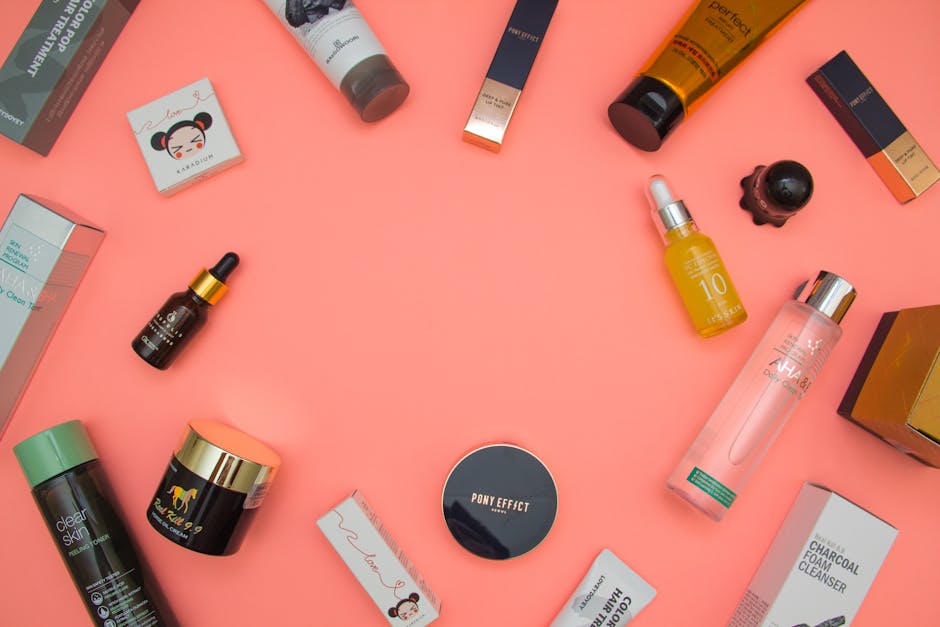
Curating Pollution-Fighting Skincare Wardrobes for Urban Southeast Asia: From Frustration to Strategic Systemization
Urbanites in Hanoi, Cebu, and Penang face a daily barrage of environmental stress: oppressive humidity, relentless UV, and invisible pollution. For the modern, skincare-literate Southeast Asian, the question isn’t merely about adding another product; it’s about engineering routines that actively defend against environmental damage while respecting the unique physiology of your skin. Overly heavy creams, harsh actives, and western-imported routines collapse in the face of sticky, congested, and prematurely aging skin. The answer? A systemized, climate-responsive approach—one where the best sunscreen for humid weather, soothing gels for redness, and anti-aging serums for humid climates are intentional, not accidental, choices.
In this article, we dissect the “wardrobe” model of curation, focusing on pollution-fighting strategies, product logic, and practical Shopee search tactics, empowering you—and forward-thinking brands—to move beyond cosmetic firefighting toward barrier resilience and long-term skin health.
Key Trends and Strategies
1. Environmental Aggressors Define Urban Skincare NeedsIf you’re living in Hanoi, Cebu, or Penang, the daily trifecta of high PM2.5, UV index, and humidity means your skin faces chronic oxidative stress, barrier micro-damage, and subclinical inflammation. Studies affirm that environmental exposures—from ozone and traffic particulates to solar radiation—drive premature aging and pigment dysregulation as much as genetics or hormones (PMCID: PMC11845971). The result: classic “oily yet dehydrated,” “sensitive but breakout-prone,” and “dull with early fine lines” phenotypes in urban Southeast Asia.
2. Demand for Formulation Intent Over Trend ChasingThe Southeast Asian consumer is weary of layering occlusive, Western-style creams and aggressive exfoliants under tropical humidity. Instead, there’s growing demand for skincare for humid climates, lightweight sunblock Southeast Asia, repair skin barrier humidity, and non-irritating actives that work in synergy (RetailAsia). This is reflected in the US$2.27B sensitive skincare market forecast, with consumers prioritizing ingredient logic, product breathability, and “wardrobe fit” over hype.
3. Systemization: Routines as Wardrobes, Not CollectionsA “wardrobe” approach—core infrastructure plus modular, city-specific capsules—replaces the maximalist trend-chasing. Instead of 10+ steps, the focus is on:
- Gentle, low-pH cleansing
- Antioxidant-rich, quick-absorbing serums for oily dehydrated skin
- Breathable, soothing gel for redness and humidity
- Reliable, PA++++ sunscreen for humid weather as the non-negotiable centerpiece
- Minimal but targeted actives for pigmentation, acne, or aging
The result: skin that is less reactive, more resilient, and visually brighter—even as environmental stress intensifies (Dovepress).
4. Audience Segmentation: Challenges and Opportunities- Climate-Aware Skincare Users: Their primary challenge lies in filtering through thousands of Shopee listings for true korean and japanese skincare for tropical skin (e.g., serums with SAP or ascorbyl glucoside over L-ascorbic acid, minimalist gel creams), while avoiding products designed for temperate climates. Opportunity: Brands offering climate-adaptive, anti-occlusive, antioxidant-boosted routines can command strong loyalty.
- Sensitive/Compromised Skin: This group battles flushes, stinging, and pigment flares with actives and pollution. Opportunity: Hydrating toners, CICA, centella, and pansymptomatic, fragrance-free formulas are in high demand.
- Oily-Dehydrated, Combination, Reactive Types: The paradox of midday shine and post-wash tightness is acute. Opportunity: Layerable hydration (panthenol, HA, light ceramide gel creams) and fast-drying sunscreens are highly sought after.
- Early Anti-Aging (25–40): This cohort is educated on the link between UV and perceived age, but needs routines that integrate anti-aging serum for humid climate without destabilizing the barrier. Opportunity: Encapsulated retinoids, peptides, and antioxidants in humidity-friendly vehicles fill a market gap.
- Urban Southeast Asia (Hanoi, Cebu, Penang): Urbanites juggling pollution, sweat, and UV—often under masks or helmets—require modular “capsules” for high-pollution, haze, or repair phases. Opportunity: Pollution-defense branding, antioxidant complexes, and non-comedogenic SPF top the list (YouTube summary).
State and Recommendations
- Anchor your routine on climate-contextual non-negotiables:
- AM: Gentle cleanse or rinse, layered antioxidant serum for oily skin, sunscreen PA++++ SPF 50 gel or fluid.
- PM: Pollution removal double cleanse, hydrating toner/essence, barrier-supportive gel cream.
- Prioritize breathable, adaptive layers over heavy occlusives.Choose moisturizers and SPF labeled as “non-greasy,” “oil-free,” and “for humid weather.” Leverage Shopee search strings like “soothing gel for redness humidity,” “repair skin barrier humidity,” and “anti aging serum humid climate.”
- Limit actives to 1–2 treatment ‘lanes’ at once. Rotate: salicylic/azelaic (acne), niacinamide/tranexamic (PIH), retinol/peptides (anti-aging), and buffer with barrier repair nights.
- Systemize shopping by function, not trends. Always ask: “Is this addressing pollution/UV, barrier integrity, or a specific issue without redundancy?”
- Develop “capsule” wardrobes for seasonality. High-pollution periods: double cleanse, antioxidants, robust SPF. Hot months: strip back to hydrating toner + sunscreen, reduce occlusives.
- Brands: Formulation intent must be explicit. Market “humidity-friendly,” “anti-pollution,” “quick-absorbing,” “fungal-acne safe,” and “long-term barrier repair” attributes, backed by ingredient transparency and real-world user testing. Highlight compatibility with Southeast Asian humidity and pollution.
Summary Comparison Table
| Approach | Heavy Occlusive Western Products | Breathable Layered Systems (Wardrobe Model) |
|---|---|---|
| Texture Logic | Rich creams, butters, occlusive balms. Often clogging and uncomfortable in humidity. | Gel-creams, fluids, watery serums. Designed for rapid absorption, comfort, and layering in heat/humidity. |
| Trend Driver | Short-term, maximalism; K-/J-beauty mimicry in non-adapted formulas; “more steps = better.” | Formulation logic; minimal, targeted steps; function-based selection for routine integration. |
| Results Orientation | Immediate (heavy, occlusive glow); prone to breakouts, barrier overload, and “mystery acne.” | Long-term, cumulative; supports barrier resilience, brightening, and reduced reactivity. |
Segment Comparison and Synthesis
| Audience Segment | Challenges | Opportunities |
|---|---|---|
| Climate-Aware Users | Overwhelmed by product noise; lack of tropical-friendly options | Brands with real-world, climate-tested routines win loyalty |
| Sensitive/Compromised Skin | Barrier fragility, PIH, flare-ups with actives | Pansymptomatic repair: CICA, ceramides, panthenol, fragrance-free anti-inflammatory blends |
| Oily-Dehydrated/Combination | Simultaneous shine, dryness, midday congestion | Layerable watery hydration, non-comedogenic SPF, smart “no moisturizer” mornings |
| Early Anti-Aging (25-40) | Premature lines, pigment, balancing actives with barrier support | Encapsulated retinoids, peptides, anti-aging serum humid climate, in ultra-light vehicles |
| Urban Southeast Asia | Pollution, sweat, UV, inconsistent advice | Modular capsule routines that flex with city seasons and daily exposure |
“Barrier resilience, not maximalism, is the new luxury for Southeast Asian skin. Breathable, antioxidant-rich layers—anchored by sunscreen and swift repair—are the most effective shield against pollution and humidity-driven aging.”
Conclusion: Strategic Integration for Real-World Results
The future of skincare for urban Southeast Asians is not in 10-step maximalism or the blind import of Western trends. Strategic systemization—anchored by gentle cleansing, antioxidant layering, robust sun defense, and judicious, context-aware treatments—delivers lasting results for those with challenging, high-humidity urban lifestyles.
Brands and users alike must embrace routines where every step has a role, every formula is breathable, and every product decision is filtered through the lens of local climate, pollution, and barrier protection. As urban exposures intensify and consumer literacy rises, the next wave of standout products won’t just be “Korean” or “Japanese,” but globally formulated for tropical, polluted, reactive, and aging-prone skin—a true wardrobe for resilient beauty.
Future-forward brands that demonstrate formulation intent, climate adaptation, and barrier empathy will command the trust (and repurchase) of Southeast Asia’s most discerning consumers.