
The Ultimate Sensitive Skin Relief Toolkit For Jakarta & Manila: Best Pharmacy Apps, Instant Clinic Links, And Climate-Smart Solutions For 2026
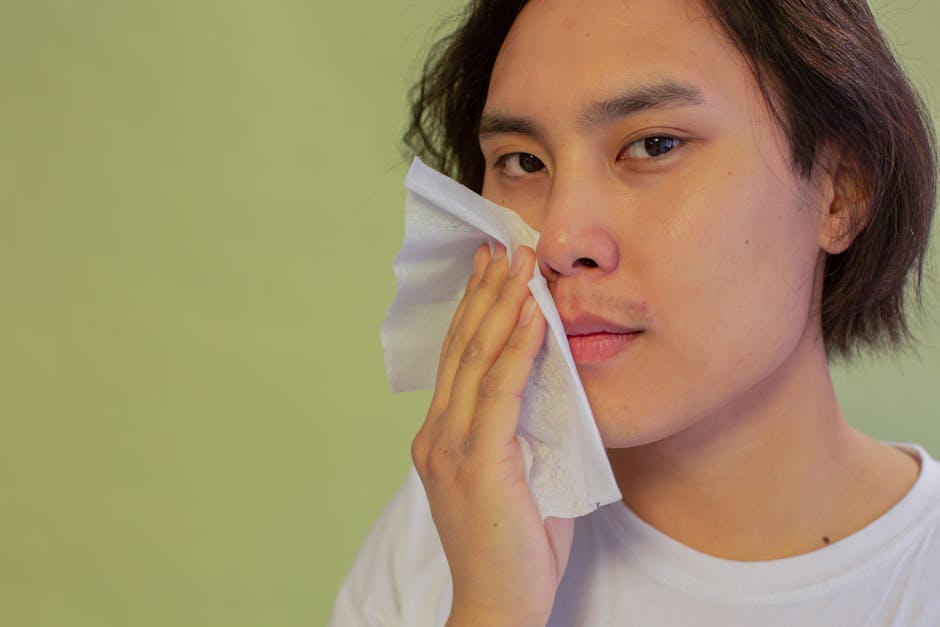
Real-Time Sensitive Skin Relief: Building Your Urban Toolkit for Jakarta & Manila
Sensitive skin in Southeast Asia isn’t just about finding the right ingredient—it’s about system-building for real-life environments. For skincare-literate consumers in Jakarta and Manila, the landscape has shifted: high humidity, pollution, and relentless UV exposure create a volatile canvas where “heavy” Western routines and isolated fixes backfire. What works in Paris or New York can trigger flares, breakouts, or endless oiliness in humid, tropical cities. The solution? A streamlined, climate-adapted toolkit and instant access to clinical guidance—the new essentials for anyone living with sensitive, oily-dehydrated, or reactive skin.
This article outlines the strategic pivot: from wandering the aisles or waiting weeks for appointments, to leveraging pharmacy apps and telehealth for real-time support. We illustrate why “skincare for humid climate” is no longer a single product, but a dynamic system designed for barrier repair, daily resilience, and responsive care.
Key Trends and Strategies
Pharmacy Apps: The New Urban Skincare Hubs
In both Jakarta and Manila, pharmacy e-commerce is now the first stop for urgent needs and routine skin essentials. Platforms such as K24Klik, GoApotik, and Halodoc in Jakarta, and Mercury Drug, Southstar Drug, Watsons Philippines, and MedGrocer in Manila have transformed skin management. They facilitate fast access to gentle cleansers, barrier creams, non-stinging lightweight sunblock for Southeast Asia, and even instant teleconsults.
From Product-Chasing to System Logic
Today’s consumers are embracing routine architecture over trend-driven purchases. The most sustainable approach for “skincare for humid climate” is a toolkit: gel or lotion-based cleanser, breathable moisturizer (think ceramides, panthenol, squalane), best sunscreen for humid weather, a soothing gel for redness in humidity, and a shortcut to a clinician. This is the heart of the systemized routine—resilience over reactivity, logic over novelty.
Teleconsults: Revolutionizing Sensitive Skin Triage
Instant guidance is now just a tap away, thanks to platforms like Halodoc and NowServing. This shift reduces risks associated with self-prescribing or over-layering actives—especially as many flares demand barrier repair, not escalation. The result? Fewer product mistakes, more personalized advice.
Climate-Fit Formulations: The Performance Imperative
In high-heat, high-humidity environments, products must hydrate and protect without suffocating the skin or triggering breakouts. Everyday essentials like best sunscreen for humid weather, soothing gel for redness in humidity, and repair skin barrier humidity solutions are outperforming rich Western creams and low-pH, highly acidic vitamin C serums. For anti-aging, gentle, stable derivatives—like those discussed in this deep-dive—are increasingly preferred over aggressive formulas.
Clinical Ingredient Literacy vs. Real-World Tolerance
Knowing what niacinamide or azelaic acid does is not the same as knowing when to use it. Without the right diagnosis, layering actives during a flare risks worsening barrier damage. This underlines the value of telehealth: closing the gap between “ingredient literacy” and actionable, context-specific care.
State and Recommendations: Action Steps for Firms and Brands
- Prioritize product climate-adaptivity: Design and position “lightweight sunblock Southeast Asia,” “repair skin barrier humidity” lotions, and “serum for oily dehydrated skin.” Avoid heavy occlusives and prioritize breathable, layerable textures.
- Strengthen pharmacy-telehealth integration: Facilitate one-tap consults and “routine triage” advice directly from product pages.
- Segment by skin barrier state—not just concern. Enable climate-aware search filters (“sensitive/combination”, “oily-dehydrated”, “post-acne barrier repair”).
- Educate on system-building, not single-heroes: Offer algorithmic “starter toolkit” suggestions based on local humidity, pollution index, and UV forecast.
- Declutter and clarify the anti-aging segment: Promote “anti aging serum humid climate” and stable antioxidant formats; deprioritize high-strength, low-pH solutions for sensitive profiles.
- Emphasize escalation pathways: Always present a simple “consult now” option when shoppers search for barrier repair, severe redness, or product reactions.
Summary Comparison Table
| Traditional “Heavy” Western Products | Breathable, Layered Systems |
|---|---|
| Occlusive, rich creams that suffocate in humidity | Light gel, serum, and ampoule layers tailored for sweat, humidity, and AC transitions |
| Trend-Driven Skincare | Formulation Logic |
| Viral, strong actives without context | Stability, tolerability, and climate-tested performance prioritized |
| Short-term Cosmetic Fixes | Long-term Barrier Resilience |
| Instant brightening, mattifying, or smoothing (but often with rebound issues) | Barrier repair, anti-oxidation, consistent sun protection for long-term recovery and glow |
Segmentation: Challenges and Opportunities
Climate-Aware Skincare Users
Challenge: Constant climate swings (heat, AC, pollution), with products often “melting” or pilling.
Opportunity: Brands that lead with best sunscreen humid weather, lightweight sunblock Southeast Asia, or Korean/Japanese skincare tropical skin are thriving. These users want instruction on routine layering and resilience-building, not just single-product claims.
Sensitive / Compromised Skin
Challenge: Easily irritated by fragrances, preservatives, and overuse of harsh actives.
Opportunity: Systems emphasizing fragrance-free, non-foaming cleansers, breathable moisturizers, and rapid access to clinical escalation (via telehealth) serve these users best. “Soothing gel for redness humidity” and “repair skin barrier humidity” categories are booming.
Oily-Dehydrated, Combination, and Reactive Skin Types
Challenge: The paradox of excess shine with underlying tightness or redness—leads to over-cleansing and over-correcting.
Opportunity: Position “serum for oily dehydrated skin,” mattifying-yet-hydrating layers, and oil-free barrier creams. These users value pharmacy app curation and pharmacist chat features for reducing guesswork.
Early Anti-Aging (25–40)
Challenge: Premature aging develops under intense, daily UV exposure, with a desire for brightening/firming—but many actives irritate already fragile barriers.
Opportunity: Focused, stable “anti aging serum humid climate,” gentle antioxidants, and routine-based approaches (“sunscreen + barrier support first”). Cite stability and clinical backing such as this research on vitamin C derivatives.
Urban Southeast Asia: Cross-Profile Comparison
All segments experience unique urban skin stress. However, the common denominators are:
- Complex routines are replaced by flexible toolkits.
- Success depends on access: pharmacy apps, teleconsults, and rapid product delivery.
- Barrier support and sunscreen compliance matter more than “hero actives.”
Key Forward Insight
“In high-humidity, high-UV cities like Jakarta and Manila, the future of skincare is not about ‘stronger’ or ‘more’—it’s about smart, systemized routines and rapid clinical triage. Brands that fit real life will outlast those that chase only novelty or trend.”
Conclusion: The Strategic Future of Sensitive Skin Care in Southeast Asia
The evolution of sensitive skin care in Jakarta and Manila signals a global shift: the age of isolated, “miracle” products is ending. Skincare-literate Southeast Asian consumers—especially those navigating the challenges of oiliness, dehydration, sensitivity, and aging under constant UV—now demand robust systems that flex with their environment and daily realities. The winning playbook combines:
- Gentle, climate-adapted cleansing
- Breathable, barrier-first moisturizers
- Best sunscreen for humid weather or lightweight sunblock Southeast Asia (re-application actually possible!)
- Soothing gel for redness humidity and tools to calm transient flares
- Instant access to clinical escalation when needed
Opinion: Over the next few years, expect continued growth of pharmacy-app guided routines, micro-segmentation by barrier state, and a new “gold standard” for humid-climate formulations. Korean and Japanese brands already excelling with “korean japanese skincare tropical skin” will set the pace, but local formulators and digital health partners have a unique opportunity to lead if they prioritize system-building over single-product marketing.
Skincare in Southeast Asia’s urban core isn’t about more products—it’s about smarter systems, responsive care, and routines that actually work in real life. That’s the future.