
The Ultimate Weather-Adaptive Skincare Routine For Manila: Live UV & Humidity Hacks For Flawless Skin In The Philippines
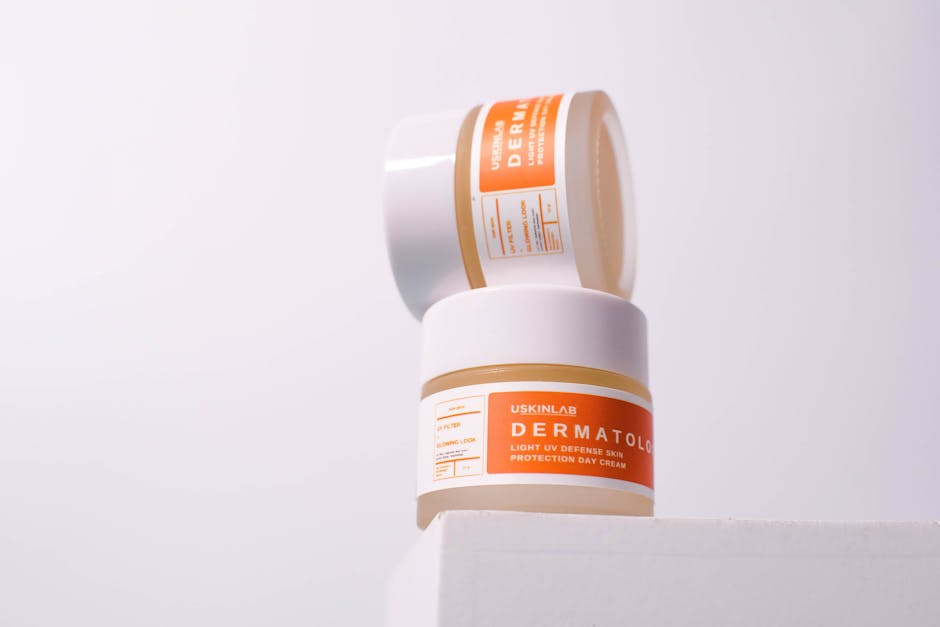
Dynamic Skincare Strategies for Humid, UV-Heavy Manila: Weather-Responsive Routines & Shopee-Ready Adaptation
The skin of urban Southeast Asians—especially those in Manila—faces a uniquely volatile mix: relentless humidity, intense UV, aggressive air conditioning, and persistent pollution. This micro-climate triggers skin signals that confound: oiliness with dehydration, sensitivity with breakouts, and pigment changes even in youth. Skincare guidance designed for temperate climates or generic “oily skin in humidity” often fails to address these lived realities. If you’re searching for the best sunscreen for humid weather, soothing gel for redness in humidity, or a lightweight sunblock that fits Southeast Asia, the solution lies not in static steps—but in dynamic, scenario-based routines anchored to real-time weather data.
Introduction: Why Manila Demands a Climate-Aware, Modular Approach
Metro Manila’s climate is not simply “hot and humid”—it cycles through intense UV (often 10–12+), humidity >80%, and cool, dry environments indoors due to air-conditioning. This causes a paradox: shiny T-zone plus tight cheeks, barrier sensitivity, and pigment changes. Copying multi-layer Korean/Japanese routines or heavy Western creams suffocates the skin, leading to congestion and premature aging. Recent analyses reveal that high humidity can reduce transepidermal water loss (TEWL) and support the barrier—but only when routines are climate-matched. Otherwise, humidity, pollution, and UV together amplify acne, sensitivity, PIH, and dullness.
For skincare-literate Southeast Asians, the frustration is real. Products feel too heavy, reactive, or ineffective; routines clash with daily climate swings. The demand for lightweight sunblock in Southeast Asia, serums for oily-dehydrated skin, and anti-aging serum for humid climates is surging. Brands must now systematize routines—not just launch trendy actives.
Key Trends and Strategies
1. Climate-Smart Formulation Logic Beats Trend Chasing
The rise of urban tropical skin studies proves that humidity is both friend and foe. It reduces surface dehydration but, paired with pollution and sweat, can cause “tropical acne” and pigment disorders (VMAN SEA highlight). This means:
- Switch from occlusive Western creams to breathable layered systems. Gel-based hydration, hydrating toners, and water-based serums (think hyaluronic acid and panthenol) form the base, supporting the barrier without clogging pores.
- Lightweight sunblock, sweat-resistant SPF formulas, and soothing gel for redness in humidity are essential product categories.
- Shopee has democratized access to Japanese and Korean skincare for tropical skin—products optimized for non-comedogenic, fast-absorbing textures, and consistent SPF reapplication.
2. Real-Time Scenario Mapping: Weather App as Your Routine Trigger
Static routines are obsolete. The “AM/PM switch” now depends on humidity, temperature, UV index, and amount of indoor AC exposure. Scenario A/B/C logic (standard humid day, extreme sticky heat, rainy/AC-heavy day) allows for modular adaptation:
- High humidity (>85%) + pollution = minimize occlusive layers, focus on antioxidants and gel SPF.
- Rainy/cloudy or AC-heavy days = reinforce barrier repair—add ceramide-based moisturizers and hydrating mist.
- Extreme UV exposure mandates strict SPF use, pigment-control serums (niacinamide, azelaic), and anti-aging serum for humid climates.
3. Micro-Cycles for Sensitive, Oily-Dehydrated, and Combination Skin
Most skin types in Manila are not simply “oily” or “dry.” Combination skin, often with sensitivity, requires micro-cycles: alternating exfoliation (BHA), retinoids, pigment correction, and barrier nights.
- Serum for oily-dehydrated skin often blends niacinamide for oil regulation with hyaluronic acid for hydration.
- Retinoid frequency is adjusted based on heat, humidity, and irritation signals.
- Actives are layered in a modular rhythm—never stacked nightly.
State and Recommendations
- Prioritize Formulation Intent: Develop humectant-rich, lightweight gel formulations for hydration; avoid heavy occlusives in humid cities.
- Modular Product Capsules: Enable users to build weather-responsive capsules via Shopee—think “core” (gentle cleanser, hydrating toner, niacinamide serum, humid-friendly SPF), with scenario-specific add-ons (BHA, barrier cream, sweat-resistant sunscreen).
- Empower Scenario Logic: Educate consumers to tie AM/PM routines to live weather—humidity, “feels like,” UV—rather than fixed steps.
- Barrier & UV Management Always First: Anchor all routines in skin barrier repair and strict UV protection, using best sunscreen for humid weather, lightweight sunblock Southeast Asia, and anti aging serum humid climate as pillars.
- Use Shopee as a Curation Tool: Build routines through ingredient profile and real-world reviews (“absorbs fast,” “non-sticky,” “works in PH weather”), not hype.
- Support Sensitive/Compromised Skin: Recommend soothing, alcohol-free gels and ceramide-based repair creams; avoid aggressive acids unless the barrier is stable.
- For Early Anti-Aging (25–40): Integrate pigment-control serums (tranexamic acid, azelaic acid, vitamin C derivatives) and retinoids in micro-cycles, adjusting for heat and humidity.
Summary Comparison Table
| Category | Heavy Occlusive Western Products | Breathable Layered Systems | Trend-driven Skincare | Formulation Logic | Short-term Cosmetic Fixes | Long-term Barrier Resilience |
|---|---|---|---|---|---|---|
| Climate Fit | Designed for dry/cold, suffocates in humidity | Gel/essence layers, adaptable for humid cities | Chases global launches, often mismatched to weather | Matches humidity, UV, pollution exposure | Immediate mattifying or cover-up results | Supports barrier, reduces congestion & pigment |
| Skin Response | Triggers acne, sensitivity, sticky feel | Reduces congestion, balances oily-dehydrated signals | Risk of irritation or ineffectiveness | Calibrates actives to daily micro-climate | Temporary oil/shine reduction | Improves resilience, anti-aging, pigment management |
| Routine Integration | One-size-fits-all, static | Modular, weather-driven | Isolated “hero” products | Systematic layering, scenario triggers | Non-systematic, quick fixes | Strategic cycles, micro-adjustments |
Segmentation: Challenges & Opportunities by User Type
Climate-Aware Skincare Users
These users demand products that adapt to Manila’s humidity, UV, and pollution signals. Opportunities for brands:
- Highlight “works in humid climate” and “sweat-resistant” claims.
- Offer weather-responsive modules (e.g., sweat-resistant SPF, repair skin barrier humidity).
Sensitive / Compromised Skin
Barrier fragility is common, especially with AC exposure and pollution.
- Seek soothing gel for redness humidity, alcohol-free hydrating mists, and ceramide-rich moisturizers.
- Brands must avoid fragrance, essential oils, and aggressive acids unless skin is stable.
Oily-Dehydrated, Combination, and Reactive Skin Types
Paradoxical signals—oiliness but tightness, acne but stinging—require micro-cycles.
- Serum for oily dehydrated skin (niacinamide+HA) and barrier repair layers.
- Flexible module routines, not fixed steps.
Early Anti-Aging (25–40)
Premature pigment, dullness, and texture changes are driven by chronic UV.
- Integrate pigment-control (azelaic, tranexamic acids), antioxidants, and gentle retinoids in cycles.
- Adjust actives to heat and humidity to preserve barrier integrity.
Urban Southeast Asia Comparison
Manila, Singapore, Jakarta share a climate profile: ultra-humid, polluted, UV-heavy, AC-driven dehydration. Local content (e.g., SSKINS in Singapore) underscores the need for gel textures and strict SPF. Brands that systematize routines for these cities stand apart.
Comparison Segment: Segmented Approach vs One-Size-Fits-All
- Climate-Aware Users: Win with modular routines, weather triggers, and product capsules. Lose with static, “global” solutions.
- Sensitive Skin: Require clinical, barrier-focused formulas; avoid trends unless proven non-irritating.
- Oily-Dehydrated / Combination: Thrive on scenario-based layering logic and real-time micro-cycles.
- Early Anti-Aging: Need pigment-control and collagen support, not just wrinkle creams.
"Weather-driven, modular skincare is the new standard for Southeast Asia’s urban skin. The most effective routine is one you calibrate daily—anchored in barrier repair and UV protection, and built with the right textures for humidity, not just the right ingredients."
Conclusion: Strategic Importance & Next Steps
As Southeast Asia’s urban climates become more volatile, skincare brands and consumers alike must evolve from trend-driven launches to systematized, climate-smart routines. The future will favor firms that offer lightweight sunblock for Southeast Asia, Korean/Japanese skincare for tropical skin, and scenario-based solutions—built for daily weather signals, not just marketing hype. The rise of Shopee enables access, but only formulation logic, clinical intent, and modular education will turn products into routines that truly work.
Expect to see:
- Increasing segmentation by climate scenario, not only by skin type.
- Formulation innovation focused on breathable gels, sweat-resistant SPF, and advanced barrier repair creams.
- More brands linking weather apps and routine logic—empowering users to adapt instantly, building long-term resilience against pollution, AC, and UV.
In this new landscape, the smartest practitioners—and brands—will be those who combine scenario adaptation, barrier-first thinking, and elegant, humid-friendly layering. Systemize now, and the skin will thank you for decades.