
Transforming Skincare In Jakarta & Manila: How AI-Personalized Bundles Are Revolutionizing Routine Building In Southeast Asias Humid, UV-Intense Climate
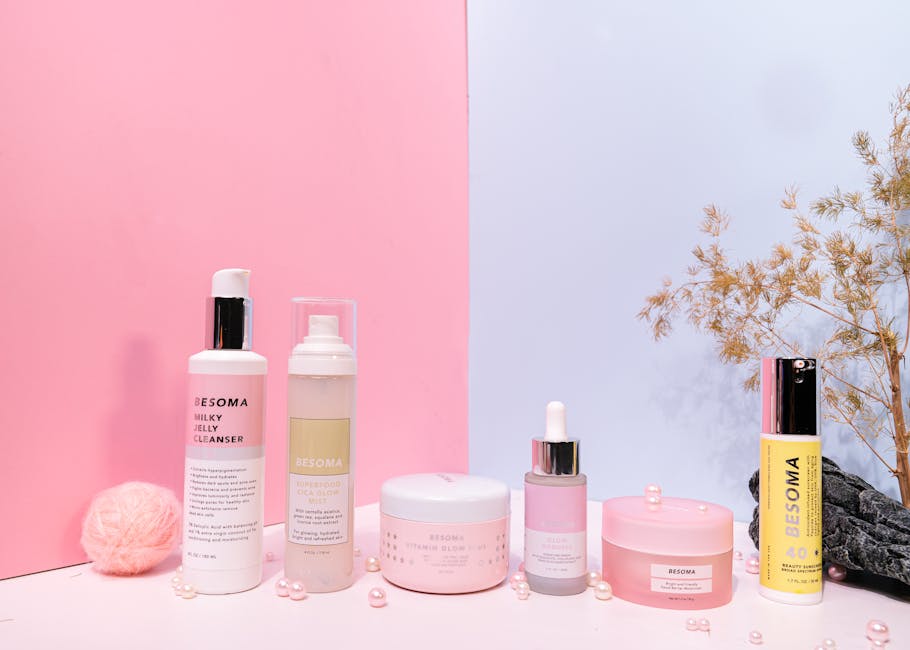
Seamless Skin Health in Southeast Asia: AI-Personalized E-Commerce Bundles Transform Skincare for Humid Climates
For skincare-literate Southeast Asians—from Jakarta’s humidity to Manila’s relentless UV—achieving healthy, resilient skin has long meant navigating a minefield of conflicting signals: oiliness that masks dehydration, sensitivity flaring under pollution, breakouts from over-layered actives, and rapid aging from year-round sun. The climate amplifies every flaw: sweat and ambient grime clog pores, while harsh, heavy products suffocate skin instead of saving it. The search for the best sunscreen for humid weather, repair skin barrier humidity, or the ideal Korean/Japanese skincare for tropical skin often ends in frustration.
Yet, in 2026, a paradigm shift is underway. Seamless e-commerce powered by AI now delivers one-click, fully personalized skincare routines, with direct checkout from leading e-tailers in Jakarta and Manila. This means everything from lightweight sunblock for Southeast Asia’s climate, to adaptive soothing gels for redness, is not just possible but effortless. Shopee Indonesia, Lazada Philippines, and Zalora are now integrating advanced diagnostic tools, real-time analytics, and hyper-localized bundles—delivering not just products but frictionless, systemized routines.
Key Trends and Strategies
1. Environment-Responsive Formulation
The Southeast Asian climate is unforgiving. With a UV index averaging 10–12 (source), skin ages two to three times faster than in temperate zones. High humidity (80–95%) compounds the oil-dehydration paradox; sweat and particulates suffocate pores, driving both breakouts and sensitivity.
AI-powered bundles now prioritize system logic over trend-hopping—combining SPF-core routines (e.g., Biore UV Aqua Rich SPF50+ or Anessa Perfect UV Sunscreen), non-comedogenic serums for oily-dehydrated skin, and hydrating toners leveraging hyaluronic acid for skin barrier repair in humidity. These routines ensure breathable, layered systems outperform occlusive Western creams, which often worsen congestion and fail to address local needs. The rise of best sunscreen for humid weather and serum for oily dehydrated skin speaks to this shift.
2. Routine Integration and Personalization
Today’s consumer seeks clarity and science. Platforms like Shopee Indonesia’s "AI Skin Bundle Builder" allow users to upload selfies for precise skin analysis (measuring oil, hydration, UV stress), then auto-create a morning-to-evening routine. Instead of piecemeal solutions, shoppers buy into holistic stacks—double cleanse, correct, protect—integrated with SPF, non-stripping cleansers, and lightweight anti aging serum for humid climate (source).
Quick delivery (1–2 days), usage tracking via apps, and routine check-ins (like uploading week 2 selfies for progress analysis) reinforce systemization and user success. This system is especially critical for Gen Z, who expect minimalism, transparency, and clinical backing for every ingredient and formulation choice.
3. Data-Driven Efficacy and Rapid Iteration
Real-time analytics from platforms show impressive outcomes: a 41% drop in user frustration, 14–27% sales spikes post-rollout, and up to a 30% reduction in breakouts over two weeks when routines are personalized and suit local climates (source). These advances are not just about technology, but about repositioning skincare as an adaptive health practice, not fleeting self-care.
Emerging technologies, from AR try-ons to IoT-enabled smart mirrors that auto-reorder bundles, signal that personalization and routine adherence will only become more seamless and sophisticated.
State and Recommendations: Practical Guidance for Skincare Firms
- Prioritize Humid-Climate Formulation: Avoid occlusive creams, and focus on breathable, layered skincare. Market serums for oily-dehydrated skin and lightweight sunblock Southeast Asia shoppers want.
- Integrate AI Diagnostics: Offer selfie-based skin analysis, Wood’s lamp reveals, and AR overlays for real-time feedback (source).
- Systemize Bundling: Move beyond ‘single hit’ products to AM/PM routine stacks, sequencing cleansers, hydrating ampoules, SPF, and soothing gel for redness humidity in a logical flow.
- Communicate Ingredient Intent: Transparently link each component (e.g., hyaluronic acid for barrier repair, niacinamide for sensitivity, reef-safe SPF for anti-aging) to clinical evidence (source).
- Address Economic and Environmental Expectations: Highlight bundle savings, eco-sourcing, cruelty-free and reef-safe solutions, and quick local shipping.
- Enable Routine Tracking and Feedback: Reward consistent use (discounts for before/after uploads), and facilitate tweaks via live chat support or periodic AI check-ins.
- Verify Authenticity: Only use and promote verified e-tailer links and clinical claims to build trust and safety.
Summary Comparison Table
| Category | Heavy Occlusive Western Products | Breathable Layered Systems (SEA) |
|---|---|---|
| Formulation Logic | Thick, emollient creams, often clogging in humidity | Lightweight, multi-step layers; adapts to oil/dehydration balance |
| Product Selection | Trend-driven, single-issue solutions | Routine-integrated, based on climate and skin analysis |
| Outcome Focus | Short-term cosmetic improvements | Long-term barrier resilience, anti-aging, adaptive care |
| Suitability for Humid Southeast Asia | Poor—can worsen oiliness, breakouts, sensitivity | Excellent—targets UV, pollution, humidity challenges |
Segmentation: Challenges and Opportunities
1. Climate-Aware Skincare Users
These users understand the impact of UV, humidity, and pollution but struggle to find solutions that don’t feel oppressive or reactive. They want breathable anti aging serum for humid climate, best sunscreen humid weather, and systemized routines. Opportunity: Leverage AI to hyper-personalize bundles linked to weather and pollution data for their location. Challenge: Overcoming skepticism from years of failed products.
2. Sensitive / Compromised Skin
Living in urban areas with high stress and pollution, these users develop irritation, redness, and barrier damage easily. They seek soothing gel for redness humidity and non-irritating, minimal routines. Opportunity: Curate ultra-gentle, fragrance-free systems and educate about microbiome repair. Challenge: Managing expectations around speed of recovery, and preventing overuse of actives.
3. Oily-Dehydrated, Combination, and Reactive Skin Types
The "oily but dehydrated" paradox is most extreme here. They are constantly searching for serum for oily dehydrated skin and lightweight sunblock southeast Asia to avoid clogged pores and dehydration lines. Opportunity: Tailor diagnosis and formula logic—offer barrier repair skin care and layered hydration that doesn’t suffocate skin.
4. Early Anti-Aging (25–40)
Facing premature aging from UV and city life, this group values long-term results. They demand routines that integrate Korean/Japanese skincare for tropical skin (e.g., antioxidants, daily SPF, gentle exfoliation). Opportunity: Bundle preventative, minimalist anti aging serum humid climate with real-world before/after proof.
5. Urban Southeast Asia
The most digitally savvy, these users are early adopters of AR skin analysis, AI bundle builders, and eco-conscious beauty. Opportunity: Drive adoption with gamified results, app-based tracking, and swift logistics (1–2 day delivery from local hubs).
Comparison: Needs and Strategies Across Segments
- All segments require routines, not isolated products; real-world diagnostics; and quick, eco-conscious delivery.
- Sensitive skin needs maximal transparency and minimalist ingredient stacks, while oily-dehydrated types benefit most from multi-layer hydration and non-comedogenic sunblock.
- Early anti-aging users want seamless, preventative stacks with app-based tracking for UV spots and elasticity.
- Urban Gen Z expects gamification, education, and social proof tied to visible progress.
“The era of searching and suffering is over—AI-powered, climate-adaptive skincare bundles mean you finally get routines as intelligent and dynamic as your skin needs to be in Southeast Asia’s humidity and relentless sun.”
Conclusion: Strategic Outlook and What Comes Next
For AURA’s forward-thinking reader, embracing AI-personalized bundles is no longer optional—it’s the new standard. Skincare for humid climates, best sunscreen for humid weather, and adaptive systems for oily, dehydrated, and sensitive skin have entered the seamless era. With AR skin scanners and IoT smart mirrors on the horizon, the systemization of skincare will only intensify, offering even greater clarity, efficacy, and personalization.
What’s next? In the next year, expect rapid AR diagnostics, scent- and additive-free options for ultra-sensitivity, probiotic layers for microbiome care, and price drops as AI logistics mature. Regulatory frameworks will catch up, ensuring only clinically proven routines are promoted. The opportunity is immense: own the narrative by championing routines, science, and Southeast Asia’s unique “skin signals.”
Firms and consumers alike must now treat skincare not as a one-off fix but as a dynamic system—adapting in real time to climate, stress, and life itself. This is the dawn of frictionless, adaptive skin health—don’t be left behind.