
Triple-Stress Skincare: How Heat, Humidity, And PM2.5 Are Accelerating Aging In Jakarta, Manila, Bangkok, Hanoi, And Ho Chi Minh City (2026 Guide)
A New Era in Urban Skincare: Navigating Southeast Asia’s Triple-Stress Environment
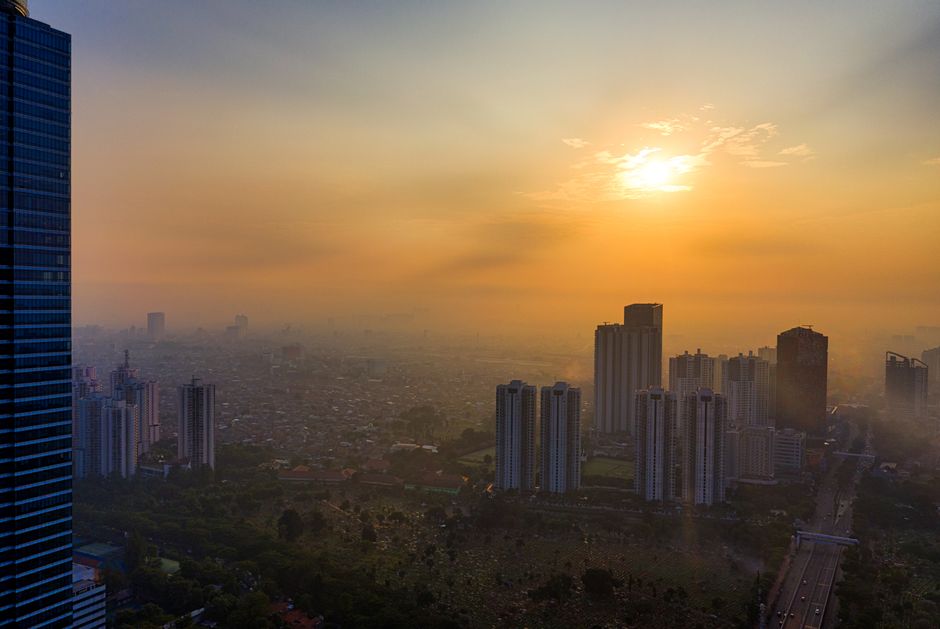
In 2026, urban dwellers across Southeast Asia—from Jakarta and Bangkok to Manila and Ho Chi Minh City—face a skin exposome fundamentally different than even five years ago. The region is now clinically recognized for its “triple-stress” environment: unrelenting heat, high humidity, and persistently elevated PM2.5 pollution. These combined, measurable factors are accelerating barrier breakdown, pigment changes, and wrinkling—even among younger adults with oily-dehydrated and reactive skin types [1][5][8][11][13].
For climate-aware skincare users, this shift underscores why ‘classic’ solutions—heavy creams, basic sunscreens, or isolated actives—often feel stifling, trigger breakouts, or simply underperform in humid conditions. Now, the best sunscreen for humid weather must offer not just UV protection, but also lightweight, pollution-adapted, barrier-smart benefits. Skincare for humid climates is no longer a niche: it’s the new baseline.
Key Trends and Strategies: Skincare for Southeast Asia’s Urban Climate
Persistent PM2.5: From Abstract Threat to Daily Aggressor
Urban air quality in SEA cities regularly exceeds WHO guidelines [2][5], with fine particulate matter (PM2.5) infiltrating through hair follicles and the skin surface. This worsening pollution triggers oxidative stress and barrier breakdown, fueling inflammation, redness, stubborn pigmentation, and even pollution-triggered acne [1][4][13][15]. For oily-dehydrated and combination skin, this means more congestion and unpredictable reactivity—especially if relying on occlusive, Western-style products.
Heat and Humidity: Now Proven Aging Accelerators
Emerging studies across SEA confirm high humidity and heat aren’t just uncomfortable—they are central to skin aging. Data shows forehead hyperpigmentation and wrinkling increasing with the heat index, regardless of UV exposure or age [11]. High humidity raises sweat and oil (fueling microbial overgrowth), but also increases transepidermal water loss (TEWL) by 20–30% [8][9][13]. This sets up the classic “oily but dehydrated” and reactive skin cycle, highlighting the need for a lightweight sunblock Southeast Asia and soothing gel for redness humidity—not heavier, pore-clogging creams.
UV + Pollution: The Compounded Aging Storm
SEA’s tropical UV alone can degrade collagen up to 80% faster than in temperate climates, but adding PM2.5 and heat produces a “perfect storm” of ROS-driven damage, pigment, and premature lines [8][1][10][13]. The smart approach? Multifunctional routines and “exposome shields” that combine antioxidants, lightweight barrier repair, and sweat-resistant UV + pollution defense—instead of chasing single-ingredient trends.
Systemization & Adaptability: New Demands for a Savvy Audience
AURA’s users demand clarity, systemization, and routines mapped to real-world exposure patterns. They need practical protocols for “Commute Days,” “High AQI” episodes, and “Heatwave Weeks.” The right serum for oily dehydrated skin or anti aging serum humid climate fits seamlessly into these routines, supporting both daily resilience and long-term barrier health.
State and Recommendations: Tactical Guidance for Brands
- Formulate for “Exposome Defense”: Prioritize antioxidants (Vitamin C derivatives, resveratrol), chelators, and film-formers that specifically address PM2.5 and ROS. Market products as “micropollution shields,” not just feel-good hydrators. (Source)
- Barrier Repair—Without Weight: Emphasize non-occlusive, fast-absorbing emulsions with ceramides, panthenol, and centella for repairing skin barrier in humidity. Avoid classic occlusives to reduce clogging and acne—think repair skin barrier humidity. (Source)
- UV + Pollution Synergy: Offer broad-spectrum, sweat-stable sunscreens with antioxidants as standard. Position as best sunscreen humid weather and “engineered for tropical UV and PM2.5.” (Source)
- Protocols Over Ingredients: Develop “Commute,” “High AQI,” and “Heatwave” ready routines—helping consumers select and layer products for real-world context, not just AM/PM. (Source)
- Clinically Grounded Messaging: Anchor communications in SEA-specific research showing why barrier, pigment, and aging pathways are uniquely stressed here (Source), setting apart brands that adapt to regional needs.
Summary Comparison Table
| Traditional Heavy, Occlusive Products | Breathable, Layered Systems (AURA’s Approach) |
|---|---|
|
|
| Trend-Driven, “Hero Ingredient” Skincare | Formulation Logic & Systemization |
|
|
| Short-Term Cosmetic Fixes | Long-Term Barrier Resilience |
|
|
Audience Segmentation: Challenges & Opportunities
1. Climate-Aware Skincare Users
Opportunity: Rapidly growing knowledge of the exposome creates demand for products that are “climate-engineered.” These users seek clarity, not just trends, wanting layered, breathable solutions—think korean japanese skincare tropical skin.
Challenge: Fatigue with generic “hydrators” or “brighteners” that underdeliver in SEA conditions.
2. Sensitive / Compromised Barrier Skin
Opportunity: Brands can lead with clinical framing—barrier repair that’s non-occlusive, addressing redness and stinging triggered by PM2.5. Soothing gel for redness humidity is high value.
Challenge: Even “gentle” products can now irritate due to structural barrier weakening from pollution [1][4][13][15].
3. Oily-Dehydrated, Combination, Reactive Skin Types
Opportunity: Develop ultralight, non-comedogenic systems—best sunscreen humid weather, serum for oily dehydrated skin—that balance hydration and sebum in fluctuating humidity.
Challenge: Frequent breakouts, congestion, and dehydration signals require more systemized, TEWL-targeting routines [8][9][13].
4. Early Anti-Aging (25–40)
Opportunity: Proactively address “invisible” aging from compounded heat, humidity, and pollution, offering anti-aging serum humid climate solutions and “exposome shield” routines.
Challenge: Premature visible aging is now a reality—crow’s feet, pigment, and dullness are measurable even in young, urban adults [11].
5. Urban Southeast Asia Lifestyles
Opportunity: Map routines to daily transitions—commutes, AC office life, late nights. Push adaptive and flexible regimens for “real world” cycles, not just AM/PM.
Challenge: Cycling from outdoor pollution to indoor dryness further stresses the barrier, increasing cumulative damage [9][12][13].
Comparison
All segments suffer from multi-stressor syndrome—barrier compromise, uneven tone, and premature aging. What differs is the primary signal: for some, it’s breakouts and congestion, for others, hypersensitivity, and for many, the “confused” combo of oily yet dehydrated skin. The winner? Lightweight, clinically adaptive systems over heavy, trend-based, or single-fix products.
“In urban Southeast Asia today, your main anti-aging and sensitivity challenge is no longer just UV—it is a 24/7 exposome of heat, humidity, and PM2.5. The smartest skincare is not heavier; it is lighter, barrier-intelligent, and pollution-adapted.”
— Skin Eco Update 2026
Conclusion: Strategic Importance & The Road Ahead
The “triple-stress” urban exposome of 2026 marks a turning point for both consumers and brands in Southeast Asia. Product design built for temperate climates cannot achieve true results here—nor can trend-driven launches with isolated actives. AURA’s audience demands systemization, clinical grounding, and climate intelligence at every touchpoint.
For skincare leaders, this is an era of opportunity: to champion best sunscreen humid weather, lightweight sunblock southeast asia, serum for oily dehydrated skin, and repair skin barrier humidity solutions, all mapped to daily lived realities. Brands that align with regional science and real-world climates—embedding “exposome defense” in every formulation—will become trusted authorities for the next generation of urban SEA consumers.
What comes next? With ongoing climate volatility and urbanization, expect even greater emphasis on sensor-adapted routines (real-time AQI, UV, heat recommendations), AI-driven regimen personalization, and partnerships with dermatology research in SEA. Legacy “one-size-fits-all” is out: the future is modular, science-driven, and Southeast Asia-first.