
Unlocking Multi-City Skincare Ingredient Audits: API Integration With Shopee & Lazada For Oily-Dehydrated Skin In Manila, Jakarta, Bangkok, KL & Singapore
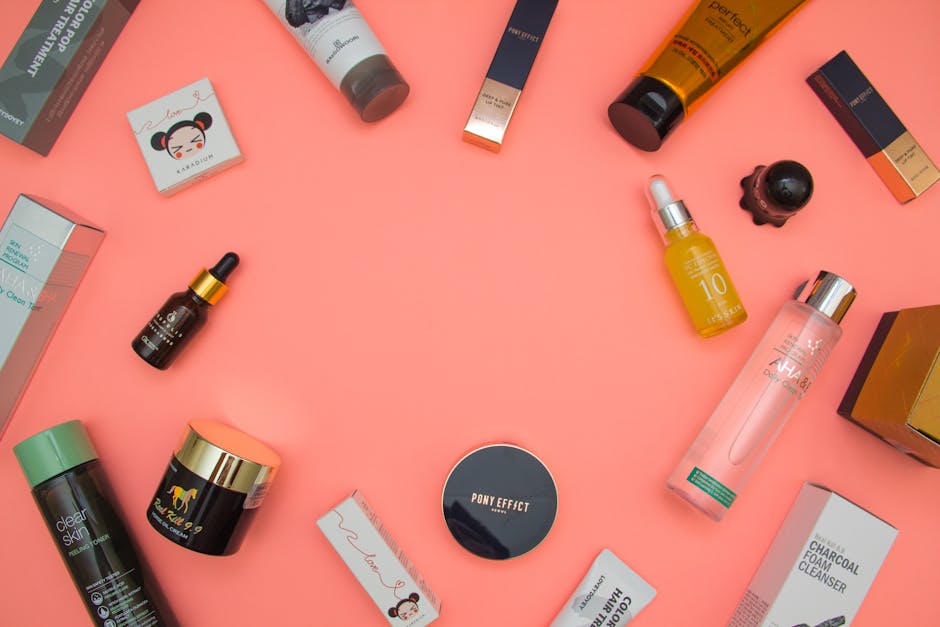
Unlocking Multi-City Ingredient Audits for Oily-Dehydrated Skin: The Future of Skincare in Southeast Asia
For skincare-literate individuals in Southeast Asia, the daily challenge is more than just battling heat or choosing the best sunscreen for humid weather. It's managing a complex interplay of oiliness and dehydration, sensitivity, breakouts, and visible aging—all intensified by urban pollution, high UV, and the drastic transitions between outdoor humidity and air-conditioned indoor environments. The rise of digital shopping on Shopee, Lazada, and beyond adds another layer of confusion: the same product, different sellers, variable ingredient lists, misleading marketing, and no cohesive way to audit what works for your specific climate and skin reality.
Enter the age of multi-city ingredient audits—precision tools leveraging Shopee and Lazada APIs to dissect, map, and optimize your actual product routines against your environment. For those seeking lightweight sunblock for Southeast Asia, soothing gel for redness and humidity, or a serum for oily-dehydrated skin, this approach marks a strategic shift from trend-driven guesswork to data-driven, climate-aware systemization.
Key Trends and Strategies
E-Commerce Platforms as Ingredient Databases
Shopee and Lazada now function as massive, if messy, ingredient repositories. Regulatory pressure and rising consumer demand for transparency have forced brands to list full INCI (International Nomenclature of Cosmetic Ingredients) in product descriptions. With accessible APIs and improved third-party tools, even non-engineers can start extracting and standardizing ingredient data at scale—paving the way for genuine routine audits that are sensitive to city-by-city climate variability.
Skin-Literate, Climate-Aware Users Are Driving Change
A new generation of Southeast Asian skincare users is no longer fooled by vague promises of “whitening” or “moisturization.” They understand product roles: multi-weight hyaluronic acid for deep hydration, film-formers like polyglutamic acid to lock in moisture, barrier-repair lipids to fight dehydration, and antioxidants to counter relentless UV and pollution. Brands and platforms that deliver systematic, ingredient-layered routines are rising above those who rely on one-hit “hero” products.
APIs and Middleware: Technical Solutions for Real-Life Routines
Recent advances mean brands can now build middleware that taps directly into Shopee and Lazada’s infrastructure. By combining structured product data with smart NLP and basic climate datasets, it’s possible to identify patterns: Are users in Jakarta over-exfoliating but under-hydrating? Are Singapore consumers missing repair skin barrier humidity strategies? This sets the stage for city-specific recommendations—from the best lightweight sunblock for humid weather to anti-aging serums that thrive in tropical skin environments.
Beyond Single-Skin-Type Thinking
Oily, dry, combination—these labels are outdated for Southeast Asia. The real challenge? Oily-dehydrated, reactive, and early aging skin profiles, all intertwined with environmental stress. The true value lies in mapping routines not to isolated skin types, but to functional ingredient needs and climate-driven behavior, such as the need for barrier resilience and hydration layering in cities with extreme humidity and pollution.
Multi-City Optimization: One Size Does Not Fit All
A routine that works in Singapore’s humid, clean air may fail in Manila or Jakarta, where pollution and air conditioning intersect to create unique skin stresses. Intelligent ingredient audits allow for adaptive routines: more breathable, layerable hydration in muggy weather; richer barrier products in AC-heavy environments. No more feeling forced to switch the entire routine for each city—a few informed tweaks, and your skin stays balanced and resilient.
State and Recommendations for Brands
- Embrace Ingredient Transparency: Make full INCI lists visible, structured, and accessible through APIs. Enable tools to map ingredients to real functional categories, not just “trending” buzzwords.
- Design for Humid, Urban Environments: Formulate with breathable hydration layers—multi-weight HA, polyglutamic acid, lightweight ceramides—integrated with antioxidants and robust UV filters for effective anti-aging serum humid climate strategies. Avoid heavy occlusives that suffocate skin in heat and humidity.
- Integrate Climate Data and Skin Behavior: Use city-level data (humidity, UV index, pollution, AC prevalence) to adjust recommendations and formula structure. Launch routines, not just products, that adapt to users’ lived environments.
- Enable Ingredient Audits Across Platforms: Partner with Shopee and Lazada to allow drag-and-drop routine analysis. Help users spot over-use of exfoliants or under-use of film-formers and barrier-supportive ingredients—see source.
- Champion Formulation Intent: Explain, don’t just show. Describe why each ingredient is chosen and how it fits into the matrix of environmental challenges: humidity, pollution, UV, and AC. Use Korean and Japanese skincare principles refined for tropical skin.
- Data-Driven Early Anti-Aging: For users aged 25–40, combine lightweight hydration, barrier defense, and potent antioxidants. Position products as long-term skin investments rather than quick fixes.
Summary Comparison Table
| Approach | Heavy Occlusive Western Products | Breathable Layered Systems (SEA Modern) |
|---|---|---|
| Hydration Logic | One-size occlusion, thick creams; often clogging in humidity | Lightweight humectant serums, film-formers (PGA), ceramides; suitable for humidity |
| Trend vs. Logic | Trend-driven, hero product focus | Routine logic, ingredient roles, modular layering |
| Skin Barrier Approach | Can trap sweat, worsen congestion | Supports barrier with breathable hydration, reduces dehydration and irritation |
| Longevity | Short-term fixes, cosmetic results only | Builds long-term resilience, defends against urban and UV stress |
Audience Segmentation: Challenges and Opportunities
Climate-Aware Skincare Users
- Challenges: Managing skin across hot, humid exteriors and dry, air-conditioned interiors.
- Opportunities: Use ingredient audits to fine-tune routines—emphasizing layers of lightweight hydration (serum for oily dehydrated skin), adapting sun protection (best sunscreen humid weather), and integrating repair skin barrier humidity strategies.
Sensitive / Compromised Skin
- Challenges: Prone to irritation from over-exfoliation, fragrance, or environmental stressors such as pollution and UV.
- Opportunities: Identify and minimize exposure to sensitizing ingredients. Prioritize soothing gel for redness humidity, gentle film-formers, and barrier-repairing lipids, avoiding aggressive actives.
Oily-Dehydrated, Combination, and Reactive Skin Types
- Challenges: Surface shine yet deep tightness; frequent breakouts; “products feel sticky or suffocating.”
- Opportunities: Layer multi-weight HA and PGA serums; avoid heavy occlusives; tailor routines using ingredient data from Shopee/Lazada audits for city-specific optimization.
Early Anti-Aging (25–40)
- Challenges: Fine lines, pigmentation, photoaging despite oily or acne-prone skin.
- Opportunities: Adopt anti aging serum humid climate routines with stable vitamin C derivatives, antioxidants, and consistent sunscreen—even in humid weather. Support barrier and hydration to delay visible aging.
Urban Southeast Asia
- Challenges: Layered environmental stress (pollution, traffic, masks, sporadic AC) disrupts skin’s equilibrium.
- Opportunities: Leverage routine analyzers to balance antioxidant, hydration, and barrier needs. Demand city-aware recommendations; seek brands that demonstrate adaptation for korean japanese skincare tropical skin logic.
Cross-Segment Comparison (Table)
| Segment | Primary Challenge | Strategic Opportunity |
|---|---|---|
| Climate-Aware | Humidity/AC fluctuations | Routine-level audits for better layering |
| Sensitive Skin | Barrier fragility, frequent irritation | Reduce actives, maximize soothing/repair |
| Oily-Dehydrated | Surface oil, inner dehydration | Humectants + film-formers + light lipids |
| Early Anti-Aging | Photoaging under heavy UV | Lightweight antioxidants, sunscreen, hydration |
| Urban SEA | Pollution, sweat, stress | City-aware, adaptive, modular routines |
“As Southeast Asia’s consumers demand more from their routines, the future belongs to those who turn ingredient overload and climate confusion into data-driven, adaptive skin health systems—integrating every Shopee and Lazada order into a coherent, resilient strategy.”
Conclusion: Strategic Importance and What’s Next
The convergence of ingredient transparency, API access, and rising climate literacy marks a turning point for skincare in Southeast Asia. Users, no longer satisfied with isolated fixes, now expect systems: routines built for their realities, not those imported from colder, drier climates. Brands and platforms that build or partner for multi-city ingredient audits will lead by transforming every transaction and routine into actionable knowledge—flagging overuse of aggressive actives, underuse of supportive hydration, and providing city-aware, evidence-based recommendations.
Looking forward, expect:
- Sophisticated dashboards that analyze your routine in real-time, flag imbalances, and suggest micro-adjustments as you travel or seasons shift.
- Greater partnership between forward-thinking brands and e-commerce giants, integrating ingredient intelligence at every level.
- Increasingly modular, adaptive products—layerable, climate-responsive, and clinically justified; from soothing gels for redness in humidity to lightweight sunblock optimized for Southeast Asia’s unique challenges.
The next leap isn’t about the next "it" ingredient; it’s about turning messy, multi-platform shopping into a system—giving every user the clarity, confidence, and control to thrive in their own skin, in any city, any climate, any time.