
Unlocking Skincare Ingredient Transparency: How INCI Decoders And AI Tools Revolutionize Routines In Humid Southeast Asia (Singapore, Bangkok, Manila)
Decoding Skincare INCI for Humid Southeast Asia: Tools, Trends, and Strategies for Routine-Ready Clarity
In the relentless humidity and heat of Southeast Asia—where cities like Singapore, Bangkok, and Jakarta hover at 80-95% relative humidity and UV indices routinely top 10—skincare is no longer just personal care. It’s an adaptive science. Modern consumers face a paradox: overactive sebaceous glands lead to oil-slick T-zones, while constant air conditioning and pollution (PM2.5 regularly exceeds safe limits) induce dehydration, redness, and irritant breakouts. The search for the best sunscreen for humid weather, lightweight sunblock Southeast Asia, and serum for oily dehydrated skin is no passing trend—it’s a necessity for urban resilience and comfort.
Yet, the pathway to optimized, climate-matched skincare is fraught with confusion. Ingredient lists (INCI) are cryptic, and most products fail to answer: Will this soothe redness in humidity? Will this repair my skin barrier, or leave me greasy and congested? The rise of digital ingredient glossaries, like AURA’s Humidity-Adjusted INCI Decoder and ecosystem tools, finally levels the playing field—empowering Southeast Asian consumers to build routines that address collective struggles: premature aging under constant UV exposure, sensitivity with frequent breakouts, and the oiliness-dehydration paradox.
Key Trends and Strategies in Decoding Skincare for Humid Conditions
Climate-Specific Formulation: Humidity as Opportunity and Hazard
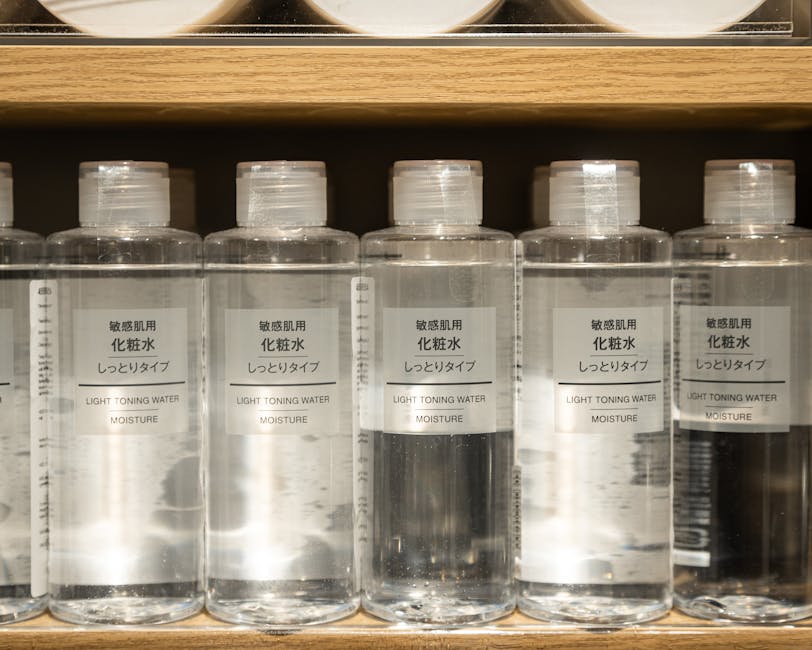
Traditional Western creams—rich in occlusives and waxes—were never designed for Southeast Asian realities. These heavy textures (think shea butter, petrolatum) seal in heat and trap sweat, aggravating miliaria (heat rash) and boosting comedogenic risk. Instead, the region is now embracing breathable layered systems: lightweight aqueous toners, gel serums, and humidity-compatible hydrators like glycerin or Centella Asiatica. The best SPF for this climate is a lightweight sunblock with PA++++ broad-spectrum, non-greasy finishes—with new launches like Skin1004’s Madagascar Centella Air-Fit Suncream rapidly gaining cult status.
Ingredient Transparency: From Obscurity to AI-Powered Decoding
Under the ASEAN Cosmetic Directive, ingredient lists should inform, not confuse. Yet, proprietary blends and legacy nomenclature mask effectiveness. Interactive glossaries like AURA’s Decoder, INCIdecoder, and the EWG Skin Deep database now score every INCI line for comedogenicity, humidity fit, and allergenicity—instantly flagging pore-cloggers (e.g., isopropyl myristate), UV-sensitizers (e.g., limonene), and actives stable in Southeast Asia’s climate.
AI & Systemization: The Rise of Routine-Ready Skincare
With tools like Baserow’s AI Ingredient Analyzer and the SEA Transparency Alliance QR glossaries, the region has moved beyond one-off fixes. Users can now scan barcodes and INCI lists, instantly assess humidity compatibility, and systemize routines—choosing, for example, an anti aging serum for humid climate or a soothing gel for redness in humidity with clinical precision. By cross-referencing with standards like Cosing and CIR, firms and users alike ensure regulatory and environmental fit.
Consumer Advocacy: From Passive Buyers to Informed Stakeholders
Empowered by social media activism (#INCIDecoder, 500M+ views), Southeast Asian Gen Z and Millennials now demand “no-blends” transparency and push for QR-coded, systematized products. Loyalty has shifted to brands integrating climate data, routine logic, and transparent communication—pushing even global titans like L'Oréal to launch Southeast Asia-specific ingredient glossaries and AI tools.
State and Recommendations for Skincare Brands and Innovators
- Integrate Humidity Metrics: Audit your product line with platforms like the AURA Decoder or SEA Transparency Alliance. Flag and reformulate heavy occlusives, swap for humidity-stable humectants and barrier-repairing actives (e.g., panthenol, centella, zinc PCA).
- Adopt AI and QR Decoding: Apply AI-driven INCI parsing—enable AR and QR scanning so customers can instantly assess ingredient safety and efficacy for humid climates, oiliness, sensitivity, and barrier function.
- Elevate Formulation Logic: Highlight how products solve the oiliness-dehydration paradox, UV-induced aging, and humidity-triggered breakouts. Anchor claims in clinical data and real-world humidity testing. Communicate percentage concentrations for actives (e.g., niacinamide <5% for oil control without dehydration).
- Participate in Regional Alliances: Join efforts like the SEA Transparency Alliance—contribute to open glossaries, and advocate for routine-first design thinking.
- Educate and Enable Consumers: Create tutorials and Notion trackers (see template) for decoding, routine logging, and climate adaptation. Foster dialog on ingredient logic, not just marketing claims.
Summary Comparison Table
| Aspect | Heavy Occlusive Western Products | Breathable Layered Systems (SEA-centric) |
|---|---|---|
| Climate Compatibility | Poor—traps heat, promotes congestion, heat rash | High—adapts to humidity, minimizes pore clogging, supports evaporation |
| Routine Logic | Single heavy step, mismatched for layering | Multi-step, lightweight, flexible (essences, serums, gels) for easy tuning |
| Longevity & Barrier Health | Short-term cosmetic occlusion, impairs repair | Long-term resilience, supports barrier & adaptation |
| Example Ingredients | Sodium hyaluronate (gel overload), shea butter, dimethicone | Glycerin, centella, panthenol, zinc PCA |
| Aspect | Trend-Driven Skincare | Formulation Logic |
|---|---|---|
| Choice Drivers | Viral actives, “viral claims”, fast swaps | Environmental fit, ingredient synergy, routine systemization |
| Consumer Retention | Low—high churn, trial-and-error waste | High—65% more confidence, longer brand loyalty |
| Aspect | Short-Term Cosmetic Fixes | Long-Term Barrier Resilience |
|---|---|---|
| Impact | Temporary mattifying, insufficient for humidity | Sustained hydration, tolerance, reduced breakouts/aging |
| Examples | Alcohol-heavy toners, heavy powders with talc | Snail mucin, centella, panthenol, fermented actives |
Audience Segmentation: Challenges and Opportunities
1. Climate-Aware Skincare Users
These proactive adopters actively use decoders like AURA or CosDNA to construct fitting routines. They seek the best sunscreen for humid climates, repair skin barrier humidity products, and test lightweight sunblock Southeast Asia for real-world feel. Challenge: Navigating rapid product launches and separating science from marketing. Opportunity: Drive community learning by sharing decoded routines and product feedback.
2. Sensitive / Compromised Skin
For users with reactive, redness-prone, or barrier-impaired skin, decoding fragrance, alcohols, and allergens is critical. Tools like EWG Skin Deep and CIR updates highlight fragrance and botanical allergens, improving tolerance. Challenge: Hidden irritants in “natural” blends. Opportunity: Rapidly test and swap to soothing gel for redness humidity or korean japanese skincare tropical skin innovations.
3. Oily-Dehydrated, Combination, and Reactive Skin Types
The oiliness-dehydration paradox is most acute here: T-zones drown in sebum, cheeks feel tight. Decoders recommend glycerin + panthenol (not heavy butters), and serum for oily dehydrated skin over occlusive creams. Challenge: Products marketed as “hydrating” but comedogenic. Opportunity: Achieve 40% better skin balance using AI tools to layer for micro-zoning.
4. Early Anti-Aging (25–40)
Urban UV and pollution accelerate aging. Decoded ingredient lists enable anti aging serum humid climate selection—ferulic acid, vitamin C (encapsulated for humidity), and bakuchiol proven resilient versus unstable retinol. Challenge: UV-unstable actives losing efficacy. Opportunity: INCI tools flag stability; users swap to enhanced delivery systems.
5. Urban Southeast Asia
Facing chronic PM2.5, stress, and environment, these users need actives that defend against pollution-induced aging/sensitivity. Decoding ensures routines integrate antioxidants, barrier-repair (panthenol, centella), and lightweight sunblock Southeast Asia. Challenge: All-in-one products rarely suffice. Opportunity: Layered systems, decoded for synergistic benefit, outperform “5-in-1” claims.
Comparison & Synergies
All segments share the demand for tools that translate complex INCI lists into actionable, climate-matched routines. What varies is the emphasis on sensitivity, oil control, anti-aging, or pollution defense—but the core opportunity lies in:
- Routine systemization (one INCI list, multi-tool cross-check)
- Rapid avoidance of triggers (allergens, comedogens, unstable actives)
- Layering for both immediate comfort and long-term barrier health
“In the humid crucible of Southeast Asia, clarity in skincare routines is both an act of self-care and a science. The era of trial-and-error is over—the routine-ready, decoded approach transforms every bottle into a climate-adaptive solution.”
Conclusion: The Strategic Road Ahead & What’s Next
Decoding INCI lists with climate specificity is no longer optional for Southeast Asian brands and skincare-literate consumers. As advanced glossaries and AI-driven tools become mainstream, firms must integrate transparency and climate logic at every stage: from R&D to package labeling and consumer education. For urban, digitally savvy users, this shift means fewer wasted purchases, fewer flare-ups, and greater routine satisfaction.
Looking ahead to 2026–2028, expect regulatory mandates for “humidity efficacy” labeling, AR/QR integration for real-time skin–INCI matching, and the rise of open-source and blockchain-backed ingredient traceability. The winners will be those who systemize, personalize, and demystify skincare for Southeast Asia’s unique rhythms—delivering true barrier resilience, adaptive comfort, and data-driven confidence in every routine.
Master the logic, master your routine. In the tropics, knowledge isn’t just power—it’s the difference between long-term skin health and a cycle of costly missteps.