
Urban Skin Survival In Southeast Asia: How Pollution, UV, And Humidity In Jakarta, Manila, Bangkok, Hanoi, And Singapore Are Changing Anti-Aging And Sensitive Skincare In 2026
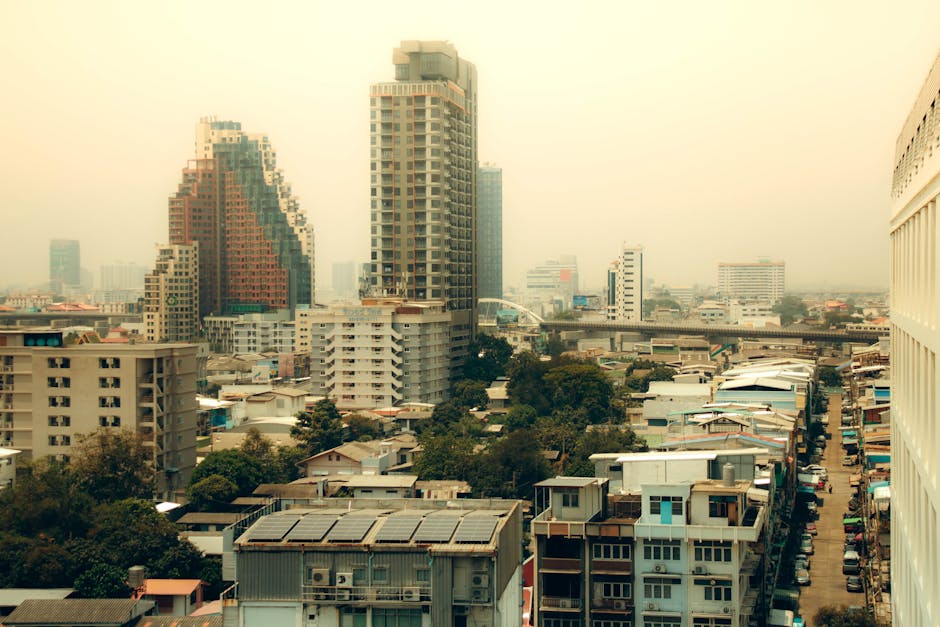
Urban Southeast Asia’s Skin Survival: Why 2026 Demands Pollution-Adaptive, UV-Resilient, Lightweight Routines
Southeast Asia’s beauty landscape has reached an unprecedented inflection point. Cities like Jakarta, Manila, Bangkok, Hanoi, Ho Chi Minh City, and Singapore now sit at a “perfect storm” of chronic PM2.5 pollution, extreme UV exposure, tropical humidity, and climate-distorted skin-barrier behavior. For AURA’s skincare-literate audience—struggling with oily yet dehydrated skin, lingering redness, breakouts, stubborn melasma, and premature signs of aging—conventional solutions no longer fit. The new reality demands a shift: think breathable, antioxidant-rich, and systemized routines that work with, not against, the urban tropics.
If you’ve found Western “occlusive” serums clogging you by midday, or if even gentle K-beauty routines leave you shiny but feeling tight, read on. Here’s how to future-proof your skin in one of the world’s most challenging urban climates, with insights on repairing skin barriers in humidity, choosing best sunscreen for humid weather, and finding that elusive soothing gel for redness and serum for oily dehydrated skin.
Key Trends and Strategies for Urban Climatic Skin Health
1. Pollution Is Now the #1 Aging Accelerator
A staggering 99% of Southeast Asians are exposed to unsafe levels of air pollution, including PM2.5 and urban ozone. This isn’t just an environmental concern—it’s reshaping skin health. Studies confirm that nanoparticle pollutants (<0.1μm) easily penetrate skin, overwhelming the natural barrier, triggering oxidative stress, accelerating pigmentation (melasma and uneven tone), and even activating enzymes that destroy collagen. For those with sensitive or “climate-aware” skin, this translates into chronic redness, eczema-like flares, and persistent oiliness with underlying dehydration.
The implication? Skincare for humid climates must now focus on pollution-adaptive, barrier-supportive, and antioxidant-rich systems that actively defend against both pollutant particles and their downstream effects—think lightweight vitamin C derivatives, niacinamide, and specialized cleansers that remove PM2.5 without stripping.
2. Tropical UV and Heat: Double Trouble for Collagen and the Barrier
Unlike temperate zones, Southeast Asia faces a year-round UV index of 8–11+, often even when it’s cloudy or hazy. New data shows collagen breaks down up to 80% faster here, driven by both UV and high heat. Urban lifestyles—rapid transitions from air-conditioned offices to hot commutes and polluted streets—cause temperature and humidity swings that accelerate barrier protein disruption and transepidermal water loss (TEWL). This explains the “shiny but tight” feeling: rapid dehydration masked by excess sebum. Best sunscreen for humid weather and carefully layered serums are no longer just add-ons but essentials for city dwellers.
Formulations must adapt: lightweight sunblock for Southeast Asia, sweat-compatible and broad spectrum, is vital; so is serum for oily dehydrated skin using non-occlusive humectants and barrier lipids without clogged pores.
3. Systemization over Single Fixes: Climate-Logical Routines
The days of treating “confusing skin” as a mystery are gone. The challenge of being young but visibly fatigued, oily but dehydrated, or sensitive and breakout-prone is a direct product of the urban pollution–UV–humidity nexus. The solution isn’t to bombard skin with conflicting actives but to engineer routines that recognize environmental logic:
- Morning (Urban Defense Stack): Hydrating antioxidant serum → Lightweight gel-cream for TEWL control → Climate-adapted sunscreen
- Evening (Pollution Recovery Stack): Gentle double cleanse → Calming barrier-repair serum → Optional pigment/anti-aging serum
State and Recommendations: Actionable Guidance for Skincare Brands
- Shift to Pollution/UV-Resilient Messaging: Position all new launches within the framework of “Urban Barrier Resilience”—not generic sensitivity or hydration. Emphasize clinically-backed ingredients for anti-pollution and anti-photoaging.
- Formulate for Breathability: Replace heavy occlusives with NMF-mimicking humectants (glycerin, PCA), ceramides, and climate-adapted lightweight polymers that won’t clog or suffocate in humid conditions.
- Embrace Systemization: Market routines as “stacks”—Urban Defense AM, Pollution Recovery PM—making it easy for users to integrate products for humid climates, oily-dehydrated skin, or urban lifestyles.
- Lead in Anti-Pigment & Early Anti-Aging: Integrate niacinamide, tranexamic acid, azelaic-derivatives as essentials, not options, for any early anti-aging or pigmentation system.
- Prioritize Sensorial and Sweat Compatibility: All products—especially sunscreens and gels for redness or barrier repair—must be sweat-compatible, non-comedogenic, and feather-light for layering.
Comparison Table: Strategic Choices for 2026 Skincare
| Traditional Western Occlusive Products | Breathable Layered Systems (AURA Approach) |
|---|---|
| Heavy creams, petrolatum-rich, occlusive; often clogging and uncomfortable in humidity | Lightweight serum-gel technologies, humidity-adapted actives, climate-logic layering |
| Trend-Driven Skincare | Formulation Logic |
| Focus on one “hero” active or viral solution regardless of context | Ingredient and vehicle selection based on Southeast Asia’s current climate-pollution realities |
| Short-Term Cosmetic Fixes | Long-Term Barrier Resilience |
| Instant mattifying, temporary brightening, harsh exfoliation | Antioxidant-rich, repair skin barrier humidity, pollution-removal routines for sustainable healthy skin |
Audience Segmentation: Challenges and Opportunities
Climate-Aware Skincare Users
Challenge: Recognizing that what works in Korea or Europe might not suit urban Southeast Asia’s climate-pollution-UV matrix.
Opportunity: Curate routines that use korean japanese skincare for tropical skin, but with Southeast Asian sensorial and barrier-first upgrades. Systemize ingredient selection—lightweight, sweat-compatible, and humidity-proof.
Sensitive or Compromised Skin
Challenge: Heightened reactivity and moisture loss due to pollution and climate-induced barrier disruption, even with “gentle” formulas.
Opportunity: Focus on soothing gel for redness humidity, non-stripping double cleansing, and climate-rational humectants (glycerin, PCA) with ceramides and barrier peptides. Leverage repair skin barrier humidity innovations.
Oily-Dehydrated, Combination, and Reactive Skin Types
Challenge: Simultaneous oiliness, clogged pores, and persistent dehydration. Chronic TEWL coupled with sebum dysregulation from heat, humidity, and pollution.
Opportunity: Optimize for serum for oily dehydrated skin—think NMFs, non-occlusive gels, and targeted antioxidants. Introduce anti aging serum humid climate with actives that won’t clog.
Early Anti-Aging (25–40)
Challenge: Urban lifestyles lead to collagen loss, pigment changes, and “tired” skin far earlier than in temperate regions.
Opportunity: Advocate for anti aging serum humid climate, daily antioxidant and peptide-based systems, and high-index, sweat-compatible sunscreen. Use the narrative: “Anti-aging at 30 in Bangkok ≠ anti-aging at 30 in Berlin.”
Urban Southeast Asia—Comparison
All segments now face routine environmental stressors, but systemized, climate-adaptive approaches give AURA users a clear edge: faster results, less reactivity, and long-term resilience even under relentless city stress.
“In hot, polluted SEA cities, collagen can break down up to 80% faster than in cooler climates—anti-aging in Bangkok is a different science.” [Source]
Conclusion: Strategic Imperatives and What’s Next
2026’s Southeast Asia is a proving ground for the future of skincare. Ignoring the converging impact of pollution, UV, and warped barrier behavior isn’t just a clinical oversight—it will mean losing relevance with a generation that can no longer afford “one-size-fits-all” routines.
AURA’s leadership depends on harnessing the latest science to deliver urban barrier resilience systems, pollution-UV adaptive routines, and context-first innovation—anchored in the realities of city life. The next horizon? Even more personalized layering strategies, real-time skin-barrier diagnostics, and microclimate-responsive formulations.
Brands that systemize, science-proof, and localize their narratives—offering everything from best sunscreen for humid weather to serum for oily dehydrated skin—will define the region’s skincare benchmark for years to come.