
Urban Skin Syndrome: How Heat, Humidity, And Pollution Are Transforming Skincare Needs In Jakarta, Manila, Bangkok, Ho Chi Minh City, Kuala Lumpur, And Singapore (2026 Update)
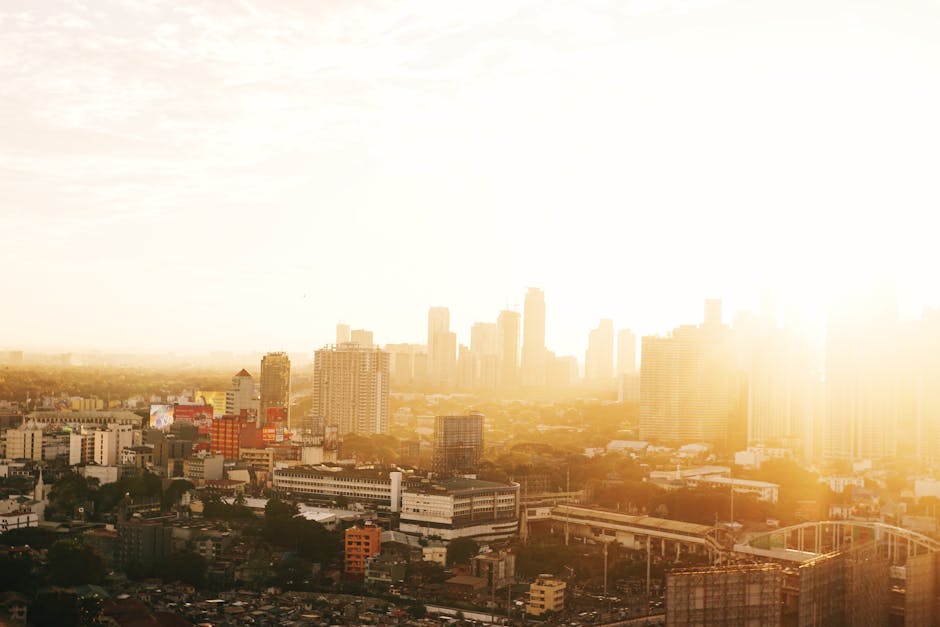
Urban Climate–Pollution Skin: The New Era for Southeast Asian Skincare
In August 2026, urban Southeast Asia faces a pivotal shift in dermatological realities. A new era—defined as the “climate–pollution skin” epoch—demands a complete rethinking of how we understand, treat, and future-proof skin in cities like Jakarta, Manila, Bangkok, Ho Chi Minh City, Kuala Lumpur, and Singapore. For skincare-literate, climate-aware consumers enduring constant heat, humidity, haze, and rising particulate pollution, this isn’t a trend—it’s an evolving ecosystem that profoundly changes what successful skincare looks and feels like.
Across this region, sophisticated users are grappling with “conflicting” skin signals: oilier surface but internal dehydration, persistent sensitivity alongside breakouts, uneven pigmentation, and premature aging—all despite diligent routines. Traditional Western solutions—occlusive creams, aggressive actives, heavy textures—often backfire in these humid, polluted climates, driving demand for skincare for humid climate that is systematic, breathable, barrier-first, and adaptation-ready.
This article maps key trends, strategic recommendations, and emerging opportunities for brands and users in this high-stress skin ecosystem—anchored by new evidence tying climate and pollution directly to skin barrier breakdown, microbiome shifts, and accelerated aging. If you're searching for the best sunscreen for humid weather, a lightweight sunblock Southeast Asia can actually tolerate, or a soothing gel for redness humidity, read on for the science and strategy behind the future of Southeast Asian skincare.
Key Trends and Strategies in the “Climate–Pollution Skin” Era
1. The High-Stress Urban Skin Ecosystem
Recent air quality alerts show that major Southeast Asian cities now regularly experience “unhealthy” PM2.5 air, with annual levels about 6 times above WHO’s thresholds. In fact, 99% of Southeast Asians live in areas exceeding safe air quality standards, exposing their skin daily to nanoparticle pollution.
This is not simply “oilier skin in tropical weather.” New dermatology research directly links PM2.5, NO₂, SO₂, and ozone with atopic dermatitis, acne, pigment disorders, and premature aging through oxidative stress and barrier disruption. For urban residents, skin is now chronically inflamed and oxidatively stressed—a challenge that demands a new type of clinical, routine-based response.
2. Humidity, Heat, and Pollution: The “Urban Skin Syndrome”
Southeast Asia’s signature combination of high humidity, intense UV, and heavy pollution produces a unique “climate–pollution skin signature” not seen in temperate markets. Here’s why:
- Humidity slows down sweat evaporation, allowing sweat and sebum to mix with pollutants. This creates a sticky film that traps bacteria and irritants—degrading lipids and weakening the skin barrier.
- High temperatures and variable haze promote the overgrowth of Staphylococcus aureus, Cutibacterium acnes, and Malassezia—the main instigators of eczema flares, acne, and seborrheic dermatitis.
- Even hydrated skin feels “tight” and red, owing to disrupted pH and microbiome composition.
3. Fine Dust: A Proven Driver of Inflammatory and Pigment Disorders
The dangers of air pollution extend well beyond respiratory health. A 2026 dermatology meta-analysis found that every 10 µg/m³ increase in PM2.5 raises psoriasis risk by 19%, with marked increases in pigment disorders and wrinkle formation. Gaseous pollutants can trigger dramatic acute flares, often requiring medical intervention.
For the early anti-aging segment (25–40), and those struggling with melasma or uneven texture, only anti aging serum humid climate, with clinically proven antioxidants and pigmentation regulators, can offer genuine defense. Consumers are upgrading to korean japanese skincare tropical skin routines that prioritize environmental adaptation over one-size-fits-all actives.
4. Microbiome Disruption: The Hidden Driver of Urban Skin Instability
Between 2022 and 2025, global dermatology literature confirmed the central role of the microbiome in mediating environmental skin stress. In Southeast Asia, climate change, haze, and high heat are recognized as key disruptors of skin microbial balance. On “haze days,” pathogenic organisms flourish and skin becomes far more reactive.
For both sensitive/compromised users and oily-reactive segments, this validates a move toward microbiome-aware, barrier-first systems—not single-step “strong actives” or heavy occlusives that ignore environmental reality.
5. The Regulatory Push: Safer, More Adapted UV Protection
Regulatory trends, especially out of Korea and the EU, are shaping local expectations. Recent reforms have led to the approval of advanced, photostable UV filters and demand for non-irritating, lightweight, but ultra-protective sunscreens. For urban Southeast Asia, lightweight sunblock southeast asia users can tolerate under constant humidity, sweat, and PM exposure is now a baseline expectation—especially among acne-prone, sensitive, and melasma-prone populations.
State and Recommendations: Action Steps for Skincare Stakeholders
- Embrace “Urban Climate–Pollution Skin Systems”: Develop modular, evidence-based routines—lightweight gels, fluid serums, and breathable layering—that adapt to haze, AC, and commute. Address both repair skin barrier humidity and microbiome support.
- Prioritize Barrier and Microbiome Health: Invest in prebiotic/fermented extracts, barrier lipids, and osmolytes (ceramides, ectoine, betaine), not just actives. Avoid heavy silicones and waxes that occlude in heat.
- Rethink SPF and Environmental Protection: Formulate best sunscreen humid weather with high, photostable UV and blue light filters, anti-pollution antioxidants, and sweat-resistant, non-comedogenic bases. Daily “urban defense” SPF should offer invisible, sting-free protection for even oily-dehydrated, reactive skin.
- Systematize Pollution/Heatwave Protocols: Educate users on how to adapt skincare when AQI spikes or during haze/heatwave events—gentle cleansing, antioxidant recovery, and microbiome stabilization.
- Communicate Clinically: Use local AQI and climate data to directly link routine recommendations to urban skin symptoms. Replace trend-driven claims with routine-mapping and evidence of real-world adaptation.
- Segmentation-Based Solutions: Offer targeted, modular products for:
— Climate-aware users: complete “urban defense” routines
— Sensitive/compromised skin: soothing, barrier/microbiome focused systems
— Oily-dehydrated, combination/reactive types: oil-balancing hydration, sweat-film compatible
— Early anti-aging (25–40): antioxidant-rich, pigment-balancing serums
— Urban SE Asia: region-specific, routine-based systems
Modern Skincare Paradigms: Strategic Comparison Table
| Traditional Western “Heavy Occlusive” | Breathable, Layered Urban Systems |
|---|---|
| Thick creams, balms, heavy silicones Designed for dry climates Occlusive hydration Short-term soothing, but risk of congestion and sweat-trap | Lightweight gels, fluid emulsions, layered serums Designed for heat/humidity and pollution Barrier support, microbiome care Long-term resilience, breathable texture |
| Trend-driven, “hero ingredient” focus | Formulation logic, climatic adaptation |
| One-size-fits-all actives Neglects environmental variation Potential for overuse and sensitivity | Routine-based, modular systems Adjustable for haze, AC, UV level Evidence-led selection of actives and finishes |
| Short-term cosmetic fixes | Long-term barrier/microbiome resilience |
| Instant mattifying/brightening, but underlying barrier not addressed May worsen sensitivity and reactivity over time | Supports skin’s adaptation to environmental stress Reduces pigment, inflammation, premature aging risk long-term |
Segmentation: Challenges and Opportunities
- Climate-aware skincare users:
Challenge: Outdated advice and products that do not account for local heat, humidity, and pollution.
Opportunity: Complete “urban defense” routines—lightweight, non-occlusive, clinically grounded, with built-in adaptation for haze days and high UV. - Sensitive / compromised skin types:
Challenge: Heightened barrier vulnerability and microbiome disruption; frequent redness and stinging.
Opportunity: Soothing gel for redness humidity, low-irritation formulations, and microbiome-supportive routines tuned for high PM/NO₂ days. - Oily-dehydrated, combination, and reactive skin types:
Challenge: Simultaneous sebum, sweat, and internal dehydration; high risk of congestion and breakouts.
Opportunity: Serum for oily dehydrated skin with oil-balancing, sweat-compatible hydrators and barrier support. - Early anti-aging (25–40):
Challenge: Early onset of pigment and wrinkle formation due to pollution and UV synergy.
Opportunity: Anti aging serum humid climate, focusing on antioxidants, pigment modulators, and daily SPF with urban-pollution defense. - Urban Southeast Asia:
Challenge: Unique environmental stressors—high PM2.5/PM10, humidity, UV, population density.
Opportunity: Bespoke, region-specific, routine-mapped solutions rather than imported, climate-mismatched products.
Segment Comparison: Key Differences at a Glance
| Segment | Key Challenge | Best-Fit Solution |
|---|---|---|
| Climate-Aware Users | Generic, non-adapted products; lack of urban-specific solutions | Routine-based, modular “urban defense” systems |
| Sensitive/Compromised Skin | Barrier & microbiome disruption, frequent irritation | Soothing gels, prebiotic/fermented, fragrance-free |
| Oily-Dehydrated/Combination | Excess sebum + internal dehydration; sweat-film congestion | Lightweight, hydrating but oil-balancing serums |
| Early Anti-Aging (25–40) | Premature pigment, fine lines due to UV + pollution | Antioxidant-rich, pigment-regulating serums + SPF |
| Urban Southeast Asia | Unique climate-pollution-microbiome stressors | Southeast Asia–specific systems; adaptive routines |
“For the first time, science, industry, and consumer experience converge on one truth: Southeast Asia’s urban skin is fundamentally different—and only barrier-microbiome-adaptive, climate-pollution routines can meet this era’s needs.”
Conclusion: The Strategic Imperative and What’s Next
The landscape for skincare in Southeast Asia is irrevocably altered. With robust new evidence linking climate, air pollution, and skin health, brands and users that persist with heavy occlusives, single-step solutions, or trend-chasing actives will not only see disappointing results, but also risk compounding the very issues they seek to solve.
The next generation of winning brands in this region will be those that systematize science into routine-based, climate- and pollution-adaptive skincare—from the best sunscreen for humid weather, to serum for oily dehydrated skin, barrier-repairing gels, and pigment-balancing serums for premature aging. Formulation intent, clinical grounding, and local adaptation will become both a quality mark and a commercial necessity.
As urban Southeast Asia continues to evolve—shaped by climate change, regulatory tightening, and rising consumer sophistication—expect a rapid acceleration in Southeast Asia–specific R&D, advanced diagnostics (like urban skin profiling), and ever more sophisticated, routine-mapped skincare ecosystems. Those who adapt early will define the standards for the coming decade.