
Urban Skin Syndrome In Southeast Asia: How Pollution, Humid Heat, And Extreme UV In Jakarta, Bangkok, Manila, And Hanoi Demand Climate-Specific Skincare Routines
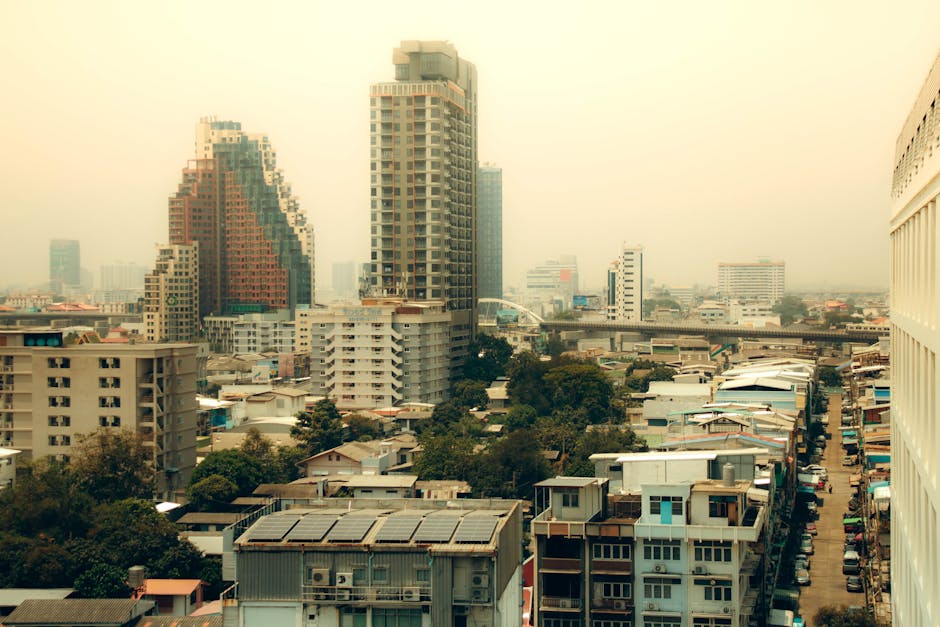
Urban Skin Syndrome in Southeast Asia: The Definitive 2026 Update for Climate-Aware, Barrier-Centric Skincare
Southeast Asia’s urban population is facing an unprecedented challenge: the emergence of a documented “triple-stress” environment defined by chronic unsafe pollution, extreme UV exposure, and aging humid heat. These factors have converged to create what leading dermatologists now call “urban skin syndrome”, with mixed skin signals—oiliness atop dehydration, sensitivity paired with breakouts, and premature aging occurring earlier than ever before. For the region’s skincare-literate consumers, traditional solutions like heavy creams or trendy actives fall short. The demand is clear: systemized, science-backed routines that deliver lightweight protection and repair tailored to real world Southeast Asian conditions—humidity, pollution, and intense sun. This article provides an actionable overview for both brands and advanced users, outlining critical trends, strategic recommendations, and the future of climate-adapted skincare in SEA cities.
Key Trends and Strategies: Building Urban Skin Infrastructure
Pollution Is the Daily Baseline
Recent studies confirm that average PM2.5 levels across Southeast Asia remain multiple times above WHO guidelines (Indonesia ~30 µg/m³, Vietnam ~29.7 µg/m³), with 99% of the population in unsafe air zones. Nanoparticle pollution penetrates through hair follicles and the skin surface, triggering oxidative stress, pigment changes, chronic inflammation, and premature aging (source).
Strategies now focus on daily anti-pollution routines: ultra-light antioxidant serums (vitamin C derivatives, resveratrol, ectoin), pollution chelator film-formers that limit particle adhesion, and barrier-supportive actives like ceramides and niacinamide. For oily-dehydrated, combination skin, these systems reduce follicle congestion and transepidermal water loss (TEWL), tackling the paradox of "oil on the surface, dehydration underneath."
Humid Heat as an Independent Aging Driver
A 2025 clinical analysis of tropical climates reveals that daily transitions between air-conditioned dryness and outdoor humidity amplify oxidative stress, disrupt the barrier, and accelerate collagen breakdown (source). Manifestations include fine lines, firmness loss, uneven tone, and “sticky but dehydrated” skin.
The shift is toward bi-phase hydration strategies: humectant-rich, non-occlusive gels for indoor use and breathable, sweat-compatible emollients (e.g., squalane, low-weight esters) for outdoors. Brands are innovating collagen-safe actives—retinoids and peptides in water-light vehicles—optimized for humid climates (study details). The best routines merge repair skin barrier humidity and anti aging serum humid climate approaches.
Extreme UV Is Routine, Not Exceptional
Urban SEA cities now report UV indices as high as 11–12 (“very high” to “extreme”), where burns and cellular damage occur within 30 minutes. Conventional SPF isn’t enough. The new standard is a UV-index responsive system—tiered sunscreen offerings (SPF50+, PA++++ for UVI 8–12) with film integrity under sweat and sebum.
For sensitive or combination skin, the best sunscreen for humid weather is non-comedogenic, sweat-stable, and integrated with anti-pollution and barrier-supportive actives—reducing the need to “stack” multiple products (source). Routine-integrated UV protection is now a baseline expectation for climate-aware users.
Climate–Pollution Synergy: Urban Skin Syndrome
Clinical reviews describe pollution + heat + UV as a unified threat—driving combined oxidative load, barrier collapse, and a phenotype cluster of melasma, redness, breakouts, and early wrinkling. This directly aligns with AURA’s target: oiliness with dehydration, sensitivity with breakouts, and premature aging.
The strategic response: named routine architectures like Urban Barrier Circuit (cleanser → antioxidant serum → barrier gel → climate-adapted sunscreen) and Heat-Stress Anti-Aging Loop (night cleanser → calm-repair gel → collagen-support serum → microbiome-friendly mask). Transparency in formulation intent—stating climate parameters (32–35°C, 80–90% RH, UVI 10–12, PM2.5 levels 3–6× WHO guideline)—builds credibility (clinical grounding).
Systemization and Sensorial Realism
Brands like AURA are uniquely positioned to offer coherent systems (e.g., “Smog + Sun AM System,” “Heatwave PM Repair Set”) instead of isolated products. Lightweight, non-occlusive, low-irritant designs tested for sweat, sebum, and humidity address the real-world frustrations of SEA urbanites. Inspiration from Korean Japanese skincare tropical skin is genuine: light textures, multi-functional actives, and a barrier-first philosophy rooted in SEA realities.
State and Recommendations: Actionable Guidance for Brands and Users
- Scientific Framing: Leverage language such as “PM2.5-calibrated cleansing”, “humid-heat anti-aging”, “UV-index responsive SPF”, and “urban barrier circuit”. Back claims with local pollution, humidity, and UV data (WHO PM2.5 data, humidity studies).
- Real-World Stress as Design Brief: Explicitly state products are engineered for 32–35°C, 80–90% humidity, UVI 10–12, and PM2.5 levels 3–6× guideline—matching regional lived experience.
- Systemized Routines: Market routines by climate condition, not just isolated products—clarifying routines for “Smog + Sun” or “Heatwave Repair.”
- Clinical Grounding: Emphasize non-occlusive, sweat-compatible, and low-irritant formulas proven under humid, polluted, high-UV conditions.
- Formulation Transparency: Share climate and pollution parameters used in product tests. Cite inspiration from advanced Korean/Japanese protocols adapted for tropical skin.
- Targeted Textures: Use soothing gel for redness humidity, serum for oily dehydrated skin, and lightweight sunblock southeast asia for daily routines.
- Barrier-centric Messaging: Educate that “mixed signals” are climate-driven and addressable with climate-adapted, barrier-first systems—not just cosmetic cover-ups.
Summary Comparison Table
| Traditional Western Heavy Occlusive Products | SEA Breathable Layered Systems |
|---|---|
| Thick creams, occlusive balms Trap sweat & amplify friction Increase risk of congestion in humid weather | Lightweight gels, breathable polymers Sweat-compatible, non-comedogenic Optimized for repair skin barrier humidity |
| Trend-Driven Skincare | Formulation Logic (Climate-Adapted) |
| Chasing ingredient fads Generic “hydration” or “anti-aging” claims Short-lived performance | Routine architectures (Urban Barrier Circuit) Stated climate parameters Anti aging serum humid climate, best sunscreen humid weather |
| Short-Term Cosmetic Fixes | Long-Term Barrier Resilience |
| Masks and spot treatments Cover-up of symptoms Minimal barrier support | Systemized routines Barrier-repair actives, antioxidants Korean Japanese skincare tropical skin strategies |
Audience Segmentation: Challenges & Opportunities
Climate-aware Skincare Users
These users actively track pollution, UV index, and humidity, seeking climate-specific routines. Their frustration: generic products that ignore local environmental realities. Opportunity: Provide “PM2.5-calibrated cleansing,” “UV-index responsive SPF,” and transparent climate-data claims.
Sensitive / Compromised Skin
Frequent stinging, redness, and breakouts triggered by pollution or heat. Need: soothing gel for redness humidity, barrier-repair routines, non-irritant, sweat-resistant formulas. Brands should highlight pollution recovery and anti-inflammatory actives, backed by local clinical data.
Oily-Dehydrated, Combination, Reactive Skin
Experiencing the classic “oil on the surface, dryness underneath” paradox due to barrier disruption and humid conditions. Require serum for oily dehydrated skin, lightweight sunblock southeast asia, and breathable hydrating layers. Opportunity: Address TEWL, follicle congestion, and systemized “Urban Barrier Circuit” routines.
Early Anti-Aging (25–40)
Premature fine lines, dullness, and pigmentation tied to pollution and heat—not just age. Priority: anti aging serum humid climate, collagen-support actives in water-light vehicles. Brands should prove performance at “32–35°C and 80–90% humidity” and avoid heavy occlusives.
Urban Southeast Asia – Comparison Segment
All user groups share the challenge of skin care in a climate “triple-stress” zone—pollution, UV, and humidity. The opportunity is for brands to offer climate-adapted, systemized solutions with clear segmentation, actionable claims, and routines engineered for SEA realities.
“Your skin issues aren’t random—they are the predictable output of a climate-pollution system. The next generation of skincare treats air pollution, humid heat, and extreme UV as the baseline, not an exception, and builds barrier-first routines that actually fit where your skin lives.”
Conclusion: Strategic Imperatives and What’s Next
The 2026 ecosystem update makes clear that air pollution, humid heat, and extreme UV are now a daily “urban skin syndrome” in Southeast Asia, with direct, clinically recognized impacts on oiliness, dehydration, sensitivity, breakouts, and premature aging (source). The old paradigm—heavy creams, generic serums, short-term fixes—is obsolete. Systemized, barrier-centric, climate-adapted routines are the new benchmark, exemplified by AURA’s approach.
Brands that demonstrate formulation intent, local environmental performance, and routine systemization will win trust and market share among SEA’s sophisticated, climate-aware skincare users. The future will likely see more routine architectures, transparent climate testing, and cross-pollination from Korean/Japanese innovations localized for tropical, polluted urban realities. As urban stress increases, expect even stronger demand for multi-functional products—such as best sunscreen humid weather, soothing gel for redness humidity, and anti aging serum humid climate—that deliver real barrier support and credible claims.
For both users and firms, the imperative is clear: treat urban skin as part of a climate-pollution system, systemize routines, and pursue long-term resilience—not cosmetic cover-ups. The brands that adapt first will set the new standard for skincare in Southeast Asia.