
Hibiscus Coffee In Ho Chi Minh City: The Wellness Trend Driving Gen Z, Specialty Cafés, And High-Margin Innovation In District 3, District 1, Tân Định
The Hibiscus Revolution: How Floral Coffee is Reshaping Ho Chi Minh City’s Youth Café Landscape
In the heart of Ho Chi Minh City—a metropolis where tradition collides with turbocharged youth culture—a new flavor is brewing. Hibiscus-based coffee drinks, once considered a curiosity, are now at the epicenter of a rapidly evolving “wellness-lifestyle” café scene. What was a niche experiment has become a high-margin innovation, tightly woven into the digital, social, and aspirational lives of Gen Z and young professionals. As specialty cafés mushroom across central districts like District 1, District 3, Tân Định, and Bến Nghé, hibiscus coffee is not just a beverage; it is an emblem of youth-driven transformation, challenging old norms and unlocking new revenue streams for savvy operators. This exposé explores the data, trends, and real-world implications behind the rise of hibiscus coffee—and what it means for business decision makers, urban culture, and the future of Vietnamese cafés.
Urban Youth and the New “Third Place”: Setting the Stage for Hibiscus Innovation
Vietnam’s urban youth cohort—around 15 million across Ho Chi Minh City and Hanoi—now drives nearly all premium café demand. According to demographic estimates, Millennials and Gen Z constitute the cultural engine behind “third place” cafés: social hubs where work, dating, and content creation blend seamlessly.
Digital Integration: These young consumers select cafés as “spatial stages for online self-presentation”, leveraging Instagram, TikTok, and location tagging as part of daily life.
Café Geography: Curated maps reveal a dense cluster of specialty cafés—pour-over hubs, late-night venues, and concept spaces—concentrated in District 3, Bến Nghé, Tân Định, and District 1. Thirty-two pour-over cafés in these areas set the stage for beverage innovation, while food-forward and late-night specialty venues provide fertile ground for seasonal and signature drinks.
Hibiscus Coffee Emerges: Niche No More, a Wellness Staple in the Making
Market Penetration: Hibiscus coffee and its siblings—floral whites, coconut blends, egg coffees—account for approximately 25% of market share among Millennials and Gen Z within Ho Chi Minh City’s innovative café segment (GrowthHQ analysis).
Signal Product: Places like Hibiscus White Coffee (HWC) at 244 Điện Biên Phủ, District 3, serve as “laboratories for innovation and scalability”—where hibiscus drinks are not just revenue generators, but tools for brand differentiation and customer willingness-to-pay testing.
Premium Experience: Tripadvisor data shows specialty cafés with innovative drinks “average 4.8–5.0 star ratings,” outpacing traditional cafés in popularity and consumer satisfaction.
Wellness, Functional Coffee, and the Rise of Hibiscus
Functional Ingredient Trend: “Wellness coffee” is now the fourth key trend in Vietnam’s café market, riding alongside sustainability and compact formats (Vietnam Gift 2026 Trend Report). Adaptogens, botanical extracts, and mushroom-infused drinks are proliferating, with hibiscus fitting squarely into the “antioxidant/plant-based” narrative.
Willingness to Pay: Health-conscious youth are happy to pay a 50,000–80,000 VND premium for functional drinks—layering hibiscus on top of classic coffee formats. This moves hibiscus coffee out of the realm of novelty and into high-margin territory.
Social Amplification: These same youth are active on social media, amplifying the earned media value for cafés that innovate with visually striking, wellness-forward beverages.
Digital Aesthetics: Hibiscus as an Instagram Magnet
Broadcasting Youth Culture: Matcha, coconut, and now hibiscus drinks are as much about their photographic value as taste. Cafés serve as “content studios,” driving peer discovery and digital adoption.
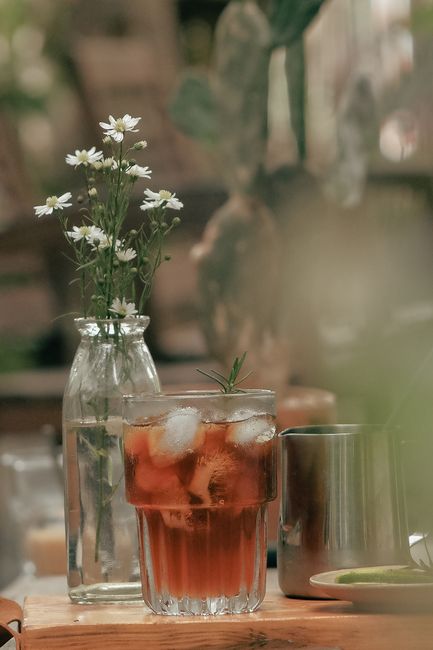
Visual Signature: Hibiscus’s natural red-pink hue—often poured in transparent glassware, topped with foam art and botanicals—offers instant Instagrammability. Venues like SOKO and high-design concept cafés deliberately construct interiors and “photo spots” to maximize shareability.
Vintage & Late-Night Appeal: The Tết 2026 period saw youth flocking to nostalgic cafés for festive, photo-friendly drinks. Late-night and 24h cafés are booming, with hibiscus positioned as a non-caffeinated alternative perfect for evening socializing.
Specialty vs Chains: How Micro-Brands Lead, Chains Scale
Micro-Brand Playbook: Small, design-forward cafés—often with pastel interiors and greenery—are the first movers, adopting hibiscus as signature drinks and leveraging influencer collaborations (Vietnam Gift: Young Trend feature).
Chain Response: Mass chains like Highlands Coffee are increasingly agile, codifying and scaling micro-brand innovations once proven popular—coconut coffee, egg coffee, and likely hibiscus variants.
Competitive Density: Top specialty roasters such as Bosgaurus Coffee Roasters, Sipply, Lacàph, and Mew in Saigon are documented as early adopters of seasonal, floral-forward signatures that may include hibiscus.
District Analysis: Where Hibiscus Coffee Thrives
Central Districts as Innovation Hubs: Data shows the largest concentrations of specialty cafés in District 3, District 1 (Bến Nghé), Tân Định, and Bình Thạnh (BrewAtlas guides).
- District 3: Home to Hibiscus White Coffee and dozens of specialty, late-night venues—making it a high-density testbed for floral and wellness drinks.
- District 1/Bến Nghé: High visibility, tourist and office core; ideal for signature hibiscus specials targeting digitally active youth.
- Tân Định: Experimental concepts flourish here, thanks to a young local clientele and favorable rents.
- Bình Thạnh: Proximity to universities and commuter markets; a secondary cluster for wellness-oriented offerings.
Comparative Perspectives: Traditional vs Wellness-Driven Café Culture
Classic Coffee Culture: Traditional Vietnamese café culture centers on caffeine, ritual, and affordability—cà phê sữa đá, black coffee, and functional spaces.
Wellness & Aesthetic Shift: Hibiscus coffee represents a departure: it is about “lighter, herbal, better-for-you” experiences, premium pricing, and digital aesthetics. Young consumers are less interested in replacing the classics and more focused on capturing incremental, high-margin orders and self-expression.
Evening/Identity Role: While classic coffee dominates morning and work routines, hibiscus and floral drinks emerge as evening alternatives, identity markers, and symbols of alignment with global wellness and specialty culture.
Behavioral Implications: How Hibiscus Coffee Shapes Youth Engagement
Four Symbolic Functions:
- Wellness Signal: Hibiscus positions a drink as part of a health-forward, plant-based menu line.
- Aesthetic Differentiator: Its color and garnish potential drive organic content creation and peer recommendation.
- Evening Alternative: Offers a low- or non-caffeine option for late-night socializing.
- Identity Marker: Signals a shift from traditional patterns toward global specialty and wellness orientation.
Operational Economics: Hibiscus Coffee as a Margin Booster
Product Premiums and Input Costs: Wellness and functional drinks command a 50,000–80,000 VND premiumMenu Strategy: Smart operators maintain 1–3 signature wellness/floral drinks—including hibiscus—rotating offerings seasonally or pairing with coconut, matcha, or cold brew.
Customer Experience: Most top cafés offer free Wi-Fi, outdoor seating, and take-out, reinforcing their appeal as work-social hybrids for youth.
Strategic Recommendations: Actionable Guidance for Café Operators
Portfolio Positioning:
- Prioritize central districts (District 3, District 1, Tân Định) for concept launches and A/B beverage testing.
- Use District 3 as a proven environment for floral innovation before scaling citywide.
- Anchor hibiscus within a broader wellness line—pair it with adaptogens, mushroom coffees, and plant-forward signatures.
- Price at a premium, employing seasonal or limited-time offers to reinforce value and reduce price competition.
- Integrate hibiscus color and narrative in glassware, branding, and social media templates.
- Encourage UGC by creating photo spots and leveraging “Instagrammable” aesthetics.
- Leverage late-night/24h formats; hibiscus coffee is a flagship lower-caffeine option.
- Monitor digital sentiment via Tripadvisor, Google Maps, and delivery platforms to track demand.
- Keep hibiscus as part of an experimental line, supplementing (not replacing) core offerings.
- Watch for regulatory issues around health claims, staying compliant with local guidelines.
“Ho Chi Minh City’s youth-led café ecosystem is a real-time laboratory where niche flavors like hibiscus can signal wellness, drive brand differentiation, and amplify digital reach—offering a template for innovation that chains and micro-brands alike will scale across Vietnam.”
Outlook: Hibiscus Coffee’s Trajectory and Strategic Importance
Demand-Side Drivers: An urban, digitally native youth population is seeking premium wellness cues and shareable aesthetics. With willingness to pay for functional add-ons rising—documented at 50,000–80,000 VND premiums—hibiscus coffee is primed for growth.
Supply-Side Dynamics: Specialty cafés and micro-brands in central districts are agile, functioning as innovation hubs. Major chains are increasingly responsive, using influencers and digital narratives to scale micro-trends.
Product Evolution: Hibiscus coffee is evolving from a “niche signature” to a recognized wellness staple, especially if integrated with adaptogen, low-sugar, and plant-based offerings.
Strategic Value: For business decision makers, hibiscus coffee is a high-margin, low-risk innovation platform. It aligns with measurable youth trends—wellness, digital aesthetics, flexible third-places—and can be piloted in central districts before broader rollout.
Conclusion: The Hibiscus Imperative—Why Floral Coffee Is More Than a Trend
The march of hibiscus coffee through Ho Chi Minh City’s specialty café sector signals something profound: the city’s café culture is no longer defined by tradition alone, but by the interplay of wellness, digital identity, and experiential innovation. With youth at the helm, the appetite for differentiated, nourishing, and visually compelling drinks is transforming not just menus, but the business models and cultural meanings of cafés themselves. Hibiscus coffee offers operators an actionable edge—an emblem of margin growth, brand storytelling, and social reach. The future belongs to those who understand the “wellness-aesthetic” equation, pilot it where youth gather, and scale it wherever aspiration meets opportunity. For café owners, chains, and investors, the question is not whether hibiscus coffee will last—but whether they are ready to ride its next wave, as Ho Chi Minh City sets the pace for Vietnam and the region.