
How ZUS Coffees Hyperlocal Strategy Is Dominating Kuala Lumpur And Southeast Asia: 6X Growth, 1,000+ Stores, And Actionable Playbook For Café Owners
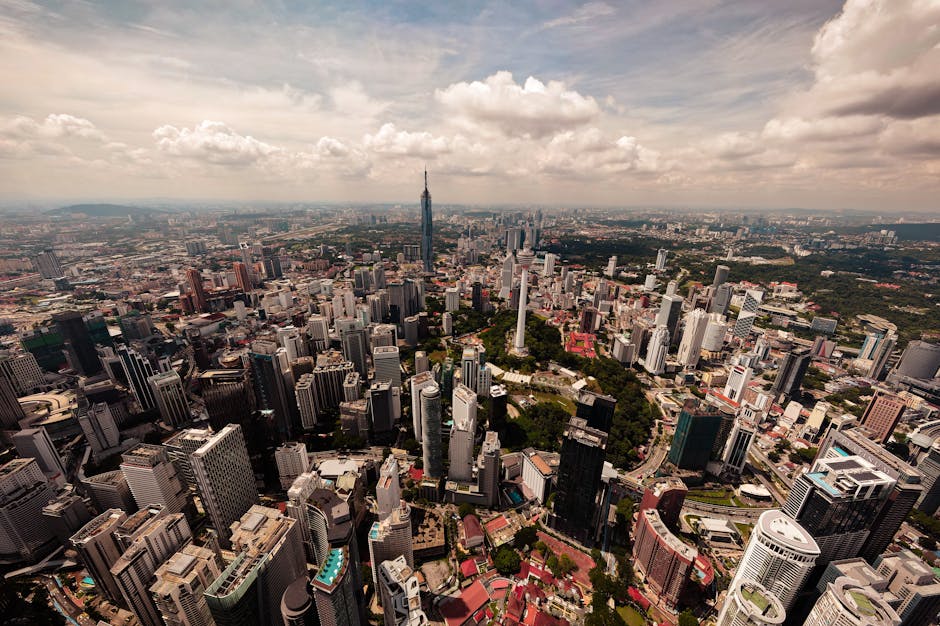
ZUS Coffee’s Hyperlocal Revolution: How Kuala Lumpur’s Data-Driven Café Chain Redefined the Coffee Market in Southeast Asia
In the vibrant heart of Kuala Lumpur, a quiet revolution began brewing in the early 2020s. Amid a landscape long dominated by international titans like Starbucks, a bold challenger—ZUS Coffee—emerged, not through the force of global branding, but by weaving itself into the very fabric of local communities. By 2026, ZUS had catapulted from a fledgling chain to a Southeast Asian powerhouse, boasting over 1,000 stores, more than 700 of which fuel urban life across Malaysia, and 200+ serving the daily pulse of Kuala Lumpur alone. Their ascent wasn’t accidental: it was engineered through an unapologetically hyperlocal strategy—embedding the business within neighborhood tastes, digital personalization, and cultural experiences. This exposé will unravel how ZUS Coffee redefined what it means to run a successful café in a region where authenticity, adaptability, and data-driven engagement matter more than heritage logos.
The State of Play: Kuala Lumpur as the Epicenter of a Hyperlocal Uprising
Pushing past Goliath—growth by integration, not imitation. From under 200 outlets in 2023, ZUS Coffee’s meteoric expansion rewrote the rules of Malaysia’s café sector. Surpassing Starbucks’ 320 stores and claiming the throne as the nation’s largest coffee chain, ZUS achieved 6X year-on-year revenue growth by 2024, with foot traffic swelling to 200+ daily patrons per flagship KL outlet. The formula was clinical yet personal: 20% price undercutting of international rivals, digital-first ordering with 70% of sales online, and a relentless focus on community—every outlet became a local hub, not just a transactional stop.
Hyperlocalization: Defining the new mass-premium. ZUS spurned generic menus in favor of crowd-sourced flavors like Gula Melaka Latte—a nod to Malaysian palm sugar traditions—priced to welcome the masses while delighting the discerning. This “mass premium” model distinguished ZUS from the top-down approach that typified multinational chains, ensuring frequent repeat visits and fostering emotional bonds with patrons.
The Hyperlocal Playbook: Tactics That Drove ZUS’s Escape Velocity
Three pillars for transformative growth:
Culturally Embedded Offerings. Kuala Lumpur’s ZUS outlets became laboratories for local innovation. Menus changed not by quarterly HQ memos, but by real-time feedback—app-based customer polls, local chefs collaborating on limited editions, and regular crowd-sourcing of flavors. The impact? Store patronage consistently exceeded 200 per day, dwarfing competitors reliant on sameness.
Digital Personalization at Scale. ZUS wasn’t just born in the pandemic; it thrived on digital native instincts. The proprietary app, supercharged with tools like Antsomi’s customer data platform, segmented patrons by neighborhood and preference, targeting them with hyper-specific promotions: a rainy day latte reward, an event invitation, or a surprise freebie for loyal “ZUSies.” In Kuala Lumpur alone, this model drove operational margins higher than those of foreign chains charging steeper prices but lagging in personalization.
A New Kind of Community Hub. ZUS reimagined the café as a social catalyst. KL stores became art galleries, co-working spaces, and cultural stages, featuring neighborhood artists and chef contests. Local hiring, “ZUSie” pride programs, and micro-community events fostered a sense of belonging. This wasn’t just good PR—it translated into robust, recurring footfall, resistance to digital fatigue, and loyalty that survived market shocks.
Expansion Across Southeast Asia: Regional Shifts and Social Tailoring
Malaysia: The blueprint for dense, data-driven dominance.
- Store count: Over 700 in Malaysia (200+ in Kuala Lumpur), targeting 850 by mid-2026.
- KPI: 6X revenue growth in a single year, with each store averaging 200+ daily footfall.
- Mechanism: App analytics refining menu and promotional strategy district by district; local flavors co-created with patrons.
- Store count: Nearly 200, up from 120 in just a year.
- KPI: 21% engagement uplift projected through ube-flavored drinks and seamless delivery app integration (Grab, Foodpanda).
- Culture: Capitalizing on Gen Z and millennial trends, with heavy influencer partnerships and mobile-first marketing.
- Store count: 10 (niche but growing).
- Strategy: Menu mashups (pandan-gula Melaka), personalized app experiences, and niche loyalty programs, carving out a space amidst formidable premium competition.
- Store count: 20, targeting 50 by 2026.
- Approach: Extensive local sourcing and hiring, with stores positioned as job creators and community allies.
- Strategy: Master franchises focusing on digital personalization and deep local recruitment to secure early buy-in and social footprint.
Behind the Numbers: Metrics That Matter
- Online conversion: 70% of ZUS sales in Malaysia are made through the app, driving both convenience and cross-promo engagement.
- Store-level revenue: KL outlets record daily footfall consistently over 200 patrons, supported by data-led menu rotations yielding rapid response to trends.
- Network effect: 1,000+ stores region-wide, with a workforce of over 6,000, showcasing scalability across diverse urban and emerging markets.
- Sustainability: Vegan menu launches and programs like ECO PEAL waste management align ZUS with the values of Southeast Asia’s environmentally conscious youth, further boosting millennial footfall by up to 15%.
Comparative Perspectives: Why ZUS Outpaced Incumbents
Global Standardization vs. Local Belonging. Most global chains—Starbucks chief among them—have historically relied on standardized menus, imported aesthetics, and slow-moving adaptation to local customs. ZUS inverted the model: the chain is “born local” in every district, rapidly swapping in-demand flavors and rewarding hyperlocal engagement. This means a KL store might look, taste, and feel entirely different from one in Penang or Manila, a flexibility multinational brands can rarely match.
Digital Retrofit vs. Native Digital DNA. International incumbents layered digital features onto legacy systems during COVID-19, often as afterthoughts. ZUS, by contrast, started with digital-first ordering, payment, and analytics—allowing for fine-grained personalization, cost containment, and agile app-based marketing. This tech-native approach delivered a seamless customer experience and superior revenue per square foot, even at lower base prices.
Transactional vs. Ecosystem Relationships. While competitors focus on volume and standardization, ZUS’s community-driven initiatives—art contests, chef guest spots, “ZUSie” fan clubs—built grassroots loyalty loops. This transformed stores from mere outlets into gathering points, nurturing not only sales, but lasting emotional resonance.
Real-World Implications: Lessons for Store Owners and Decision-Makers
For café owners seeking to replicate ZUS’s results in crowded Southeast Asian urban environments, the playbook is both actionable and verifiable:
Menu Localization is a Must. Audit local tastes, introduce two to three region-specific flavors, and price products 20% below key competitors. ZUS’s Gula Melaka Latte is a case in point for instant viral traction.
Digital Infrastructure as a Growth Engine. Deploy customer data platforms and app-based promotions. Aim for at least 40–70% online conversion, using rewards, personalized offers, and gamification.
Geo-Targeted Social Media. Work with micro-influencers to deliver city or district-targeted content; ZUS has shown that a modest monthly investment in TikTok or Instagram campaigns can yield 25%+ engagement spikes.
Transform Stores into Cultural Hubs. Dedicate regular space and calendar slots to community events—art displays, chef collaborations, or user-voted menu weeks. These events rapidly translate into tangible, sustainable footfall gains.
Sustainability and Youth Appeal. roll out eco-friendly menus and waste initiatives early; this not only aligns with millennial and Gen Z values but aids regulatory compliance and reputation building.
Metrics-Driven Expansion. Use daily patronage and revenue per store as leading KPIs, piloting in the highest-density areas first, before scaling outwards using a phased, data-led approach.
Actionable Roadmap: 10 Concrete Steps for Hyperlocal Café Revitalization
Drawing directly from ZUS’s experience:
- Survey 500+ local residents for flavor trends.
- Implement a CDP or affordable app for data segmentation.
- Engage 5–10 local influencers for geo-targeted social buzz.
- Allocate 10% of store space to community events or displays.
- Integrate with major delivery apps where relevant.
- Gamify experiences (votes, loyalty rewards, weather-based offers).
- Hire and train locally (target 80%+ local staff).
- Launch sustainability quick-wins (vegan menu, waste management).
- Set up a daily metrics dashboard to track footfall and digital engagement.
- Pilot in 5 high-density locations, then expand following ZUS’s staged rollout.
Regional Variations: Adapting the Playbook Across Southeast Asia
Philippines: Focus on flavors with emotional appeal (e.g., ube coffee), target student populations, and link heavily with food delivery platforms. Mirroring ZUS’s investor-backed expansion, expect to double store count year over year by combining digital with local cultural events.
Singapore: Premium market requires culinary innovation and cultural fusion, such as pandan or gula Melaka-based drinks, alongside high-touch digital personalization.
Thailand: Lean into local hiring and sourcing; in a mature market, community loyalty trumps price wars, making ZUS’s locally-rooted approach a key differentiator.
Emerging markets (Indonesia, Pakistan, Morocco): Early launches led by master franchisees; prioritize hyperlocal staff and partnerships from the outset to create community trust and relevance.
Risks and Benchmarks: Navigating the Next Wave of Growth
Risks: Over-dependence on digital engagement can create fatigue; KL’s store density raises the specter of market saturation, requiring push into suburbs and new regions. Mitigation comes via continuous event-driven in-store experiences and relentless menu innovation.
Benchmarks for Success: Undercut key competitors’ pricing by 20%; keep at least 30% of the menu local; maintain app conversion rates above 50%; and target daily footfall of 150–200 patrons per store.
Future Outlook: With a target of 1,300 outlets in Malaysia by 2026, ZUS signals that hyperlocalization is not just scalable, but essential for urban market supremacy.
“In the hypercompetitive urban café scene, stores that become canvases for community expression—and channels for digital-first personalization—will not just survive, but become the custodians of local identity and the architects of new urban rituals.”
Conclusion: The Road Ahead—Hyperlocal as the New Gold Standard
The story of ZUS Coffee is not just one of Malaysian entrepreneurial ingenuity—it’s a playbook for a region confronting the challenges of urban density, global homogenization, and ever-rising consumer expectations. What began as an experiment in digital engagement and flavor localization in Kuala Lumpur has matured into a living, breathing ecosystem—one that fuses technology, community, and cultural authenticity into a model now studied and copied across Southeast Asia.
The implications are far-reaching. For incumbents and newcomers alike, the lesson is crystal clear: hyperlocalization is not a passing trend but a competitive necessity. The future belongs to café brands that can operate at the speed of local taste, personalize at scale, and embed themselves as indispensable community anchors.
For business strategists and investors weighing their next move, the evidence is in the data and the street-level buzz. ZUS Coffee’s rise marks a fundamental reset: the era of standardized international café experiences is giving way to a new standard, one where digital agility, community engagement, and cultural resonance are the ultimate drivers of growth, loyalty, and cultural impact. For those willing to act boldly—and locally—the opportunity is nothing short of transformative.